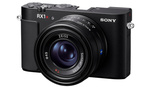
The 7Artisans 35mm f/1.8 is designed to balance affordability with performance. With its full frame design and relatively compact build, it’s aimed at people who want dependable image quality at a budget-friendly price point.
Coming to you from Andrei Dima, this detailed video takes a close look at the 7Artisans 35mm f/1.8 lens. Dima goes through the build first, pointing out the metal body, smooth aperture and focus rings, and the USB-C port for firmware updates. The lens has an AF/MF switch and a customizable function button, small touches that help in day-to-day use. The dust and splash resistance gives it some extra durability, something not always expected at this cost. The lens weighs 426 g and uses a 62mm filter thread, making it practical to pair with a lightweight setup.
Autofocus is where Dima spends time showing how it performs. Photo autofocus is quick and reliable, with little sign of missed shots in his tests. Video autofocus is also smooth, with only minor focus breathing, which is useful if you want to record without distracting shifts in framing. Some optical issues are present, like mild vignetting wide open and small amounts of chromatic aberration, but these are generally well controlled. Dima notes that by stopping down to f/2.8 or f/4, sharpness across the frame improves significantly.
Key Specs
-
Fast autofocus with STM stepping motor and subject tracking
-
f/1.8 to f/16 aperture range with smooth, stepless aperture ring
-
Optical design: 11 elements in 8 groups, including aspherical, high-index, and ED glass
-
11-blade aperture for smoother bokeh
-
Metal body with customizable FN button and AF/MF switch
-
Weight: 426 g
-
Filter size: 62mm
-
Minimum focus distance: 0.4 m
Where things get more interesting is in image rendering. Dima highlights the strong center contrast even at f/1.8, something uncommon in lenses under $300. Corner sharpness isn’t perfect wide open, but improves quickly as you stop down. He also mentions the colors, which he compares to vintage lenses, being slightly richer and more characterful than many modern designs. The bokeh is smooth and pleasant, though he does note that at the minimum focus distance, image quality isn’t at its best until you stop down. Flare control is solid, with only minor artifacts when shooting directly into strong light sources. Check out the video above for the full rundown from Dima.