I’ve spent years photographing in rural Utah, and one of the most rewarding, overlooked subjects I’ve found is the working ranch.
From the outside, a cattle or sheep operation can look like just another job site with plenty of dust, worn tools, weather-beaten faces, and animals in pens. But for a photographer, that’s where the gold is. The weather is texture, the dust is atmosphere, and the way the morning light cuts through it all is magic you can’t fake. Ranch work is authentic, physical, and unselfconscious, and that makes it powerful to photograph.
I work as a newsprint photojournalist for a 130-year-old rural weekly newspaper that’s been publishing since before Utah was a state. My assignments have taken me everywhere from community events to high school sports, but photographing rural ranching operations has given me some of my most memorable images.
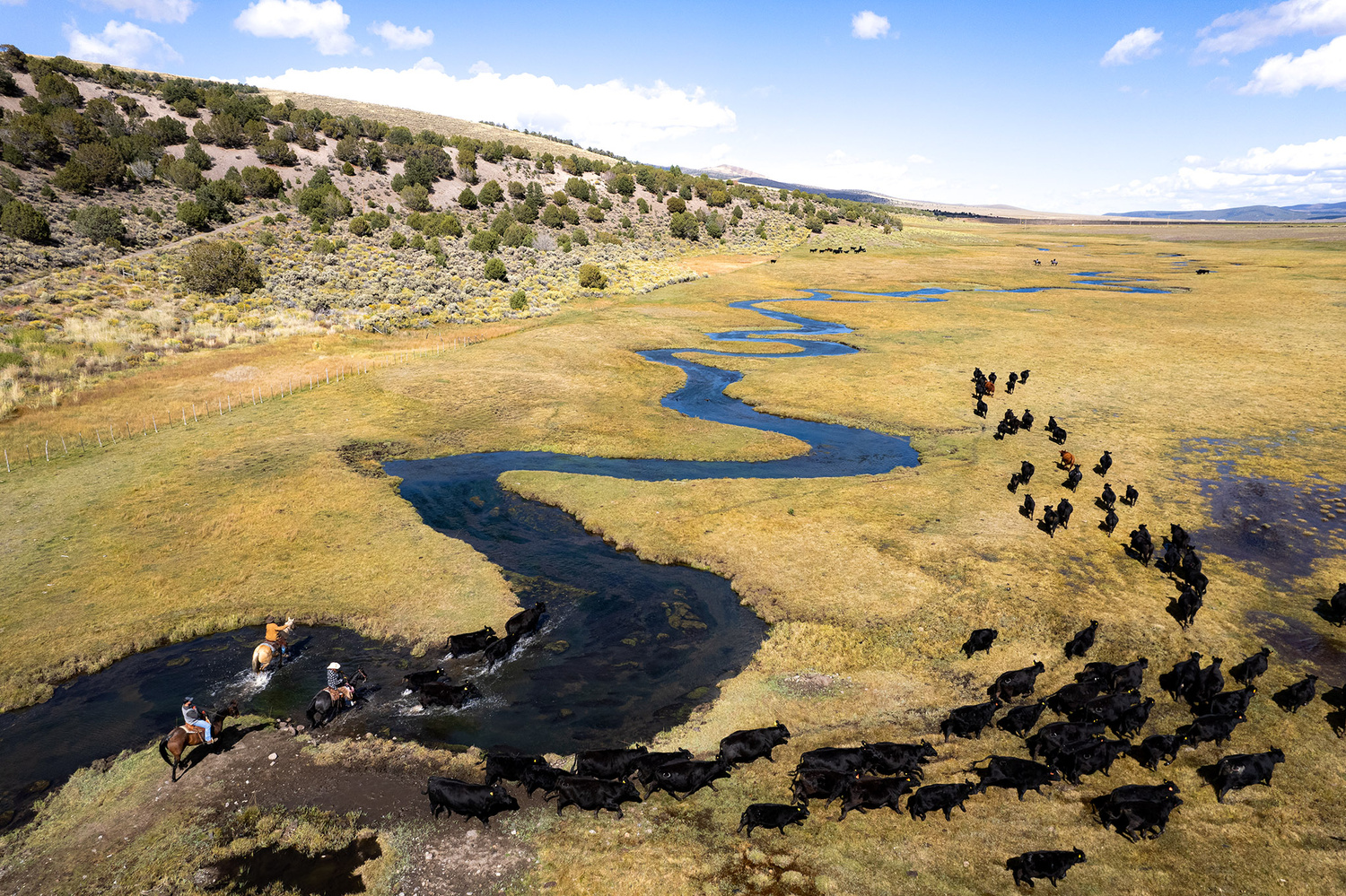
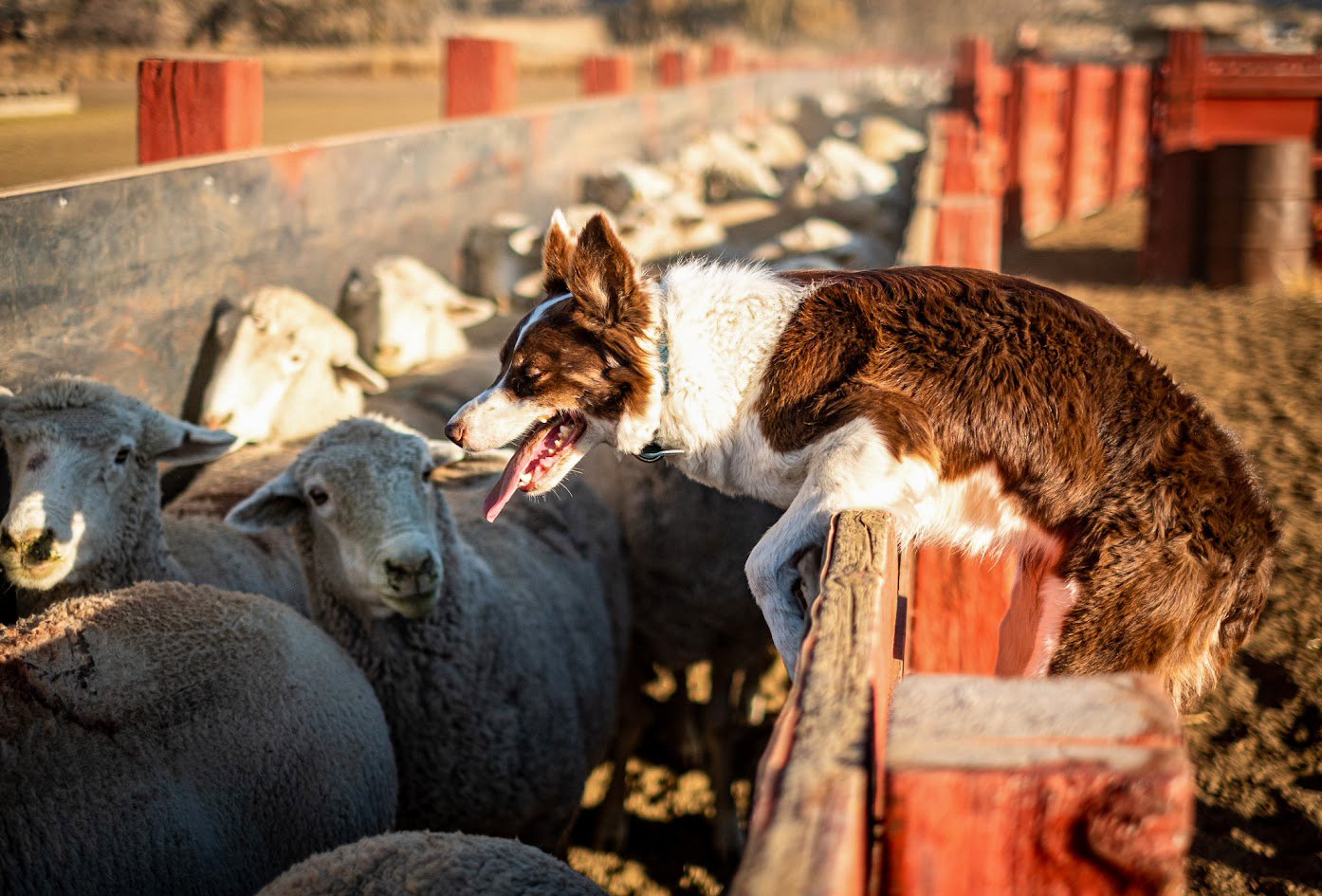
The visual variety is endless. You might start the morning shooting a rancher driving cattle through waist-high grass, switch to a tight shot of weathered leather tack, then end the day capturing a silhouette of a horse and rider against a burning sunset. There’s motion from dust kicked up by hooves and ropes swinging through the air. There is also stillness, like quiet moments between a rancher and their favorite horse or from a dog resting in the shade of a stock trailer.
And ranch work happens in all weather. That’s an opportunity, not a drawback. As a rule, bad weather makes for great photos. Snowstorms, mud, and blazing summer heat each change the palette, light, and mood. If you can adapt your technique and deal with a bit of suffering, you can walk away with images that are impossible to stage.
For photographers looking to expand their portfolio or sharpen their skills, a ranch shoot forces you to work fast and think ahead. You’re often moving alongside working animals and people who can’t stop and pose. You need to anticipate moments, handle challenging light, and work around dust, mud, and the occasional curious cow nosing your gear. It’s demanding, but those demands sharpen your instincts, and the payoff is photographs that feel alive.
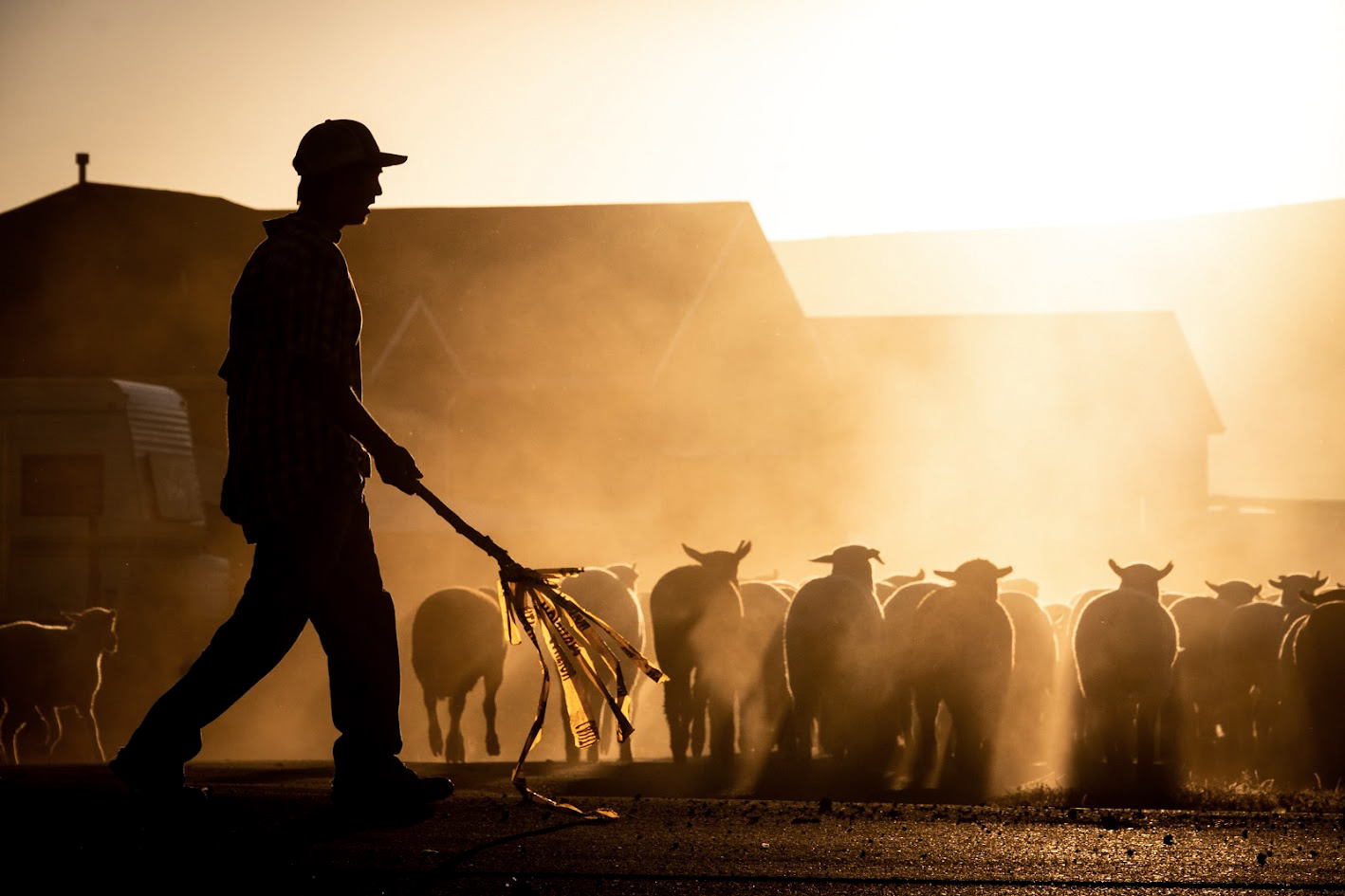
If you’re considering this kind of work, start local. I live in rural Utah, where ranching is a way of life, so I’ve built relationships with families who trust me to document their work. Sometimes that means showing up before sunrise to catch the first branding of the season. Other times it’s dropping by during lambing to capture the rush of new life in the barns. When people know you respect their time, their animals, and their privacy, they’ll open doors you didn’t know existed.
Photographing rural ranching operations is not just about getting “pretty” images. It’s about documenting a lifestyle that’s disappearing in many parts of the world. These photographs become a record, and not just for the ranchers, but for future generations. They show the grit, beauty, and skill behind an industry that keeps food on tables and traditions alive.
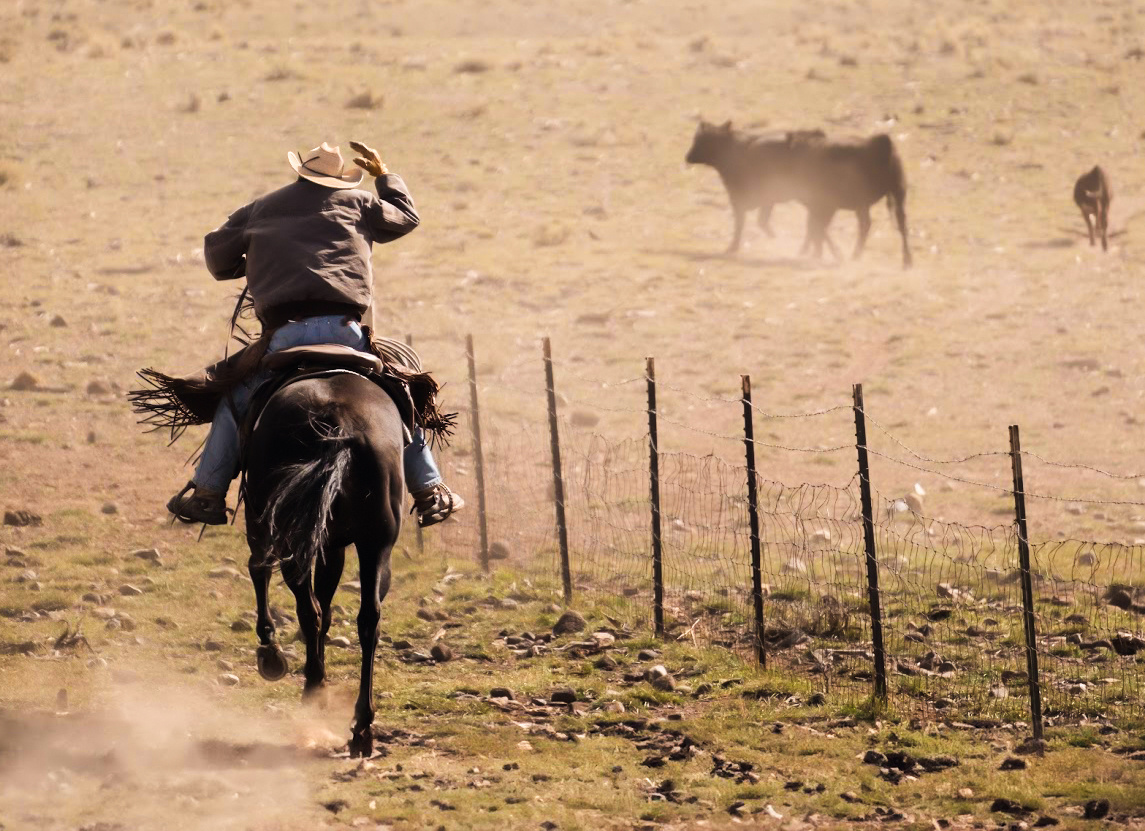
If you’ve been looking for a subject that’s both visually rich and culturally significant, find a ranch. Bring your camera, patience, and respect for the work being done, and you’ll come home with images that matter.