
In an era where smartphone cameras can capture 4K video and AI can enhance photos beyond recognition, something unexpected is happening in photography studios and college campuses across America. Young photographers are deliberately choosing 35mm film cameras over cutting-edge digital equipment, creating a renaissance that has film manufacturers scrambling to meet demand and camera shops dusting off decades-old inventory.
1. Tangible Results in a Digital World
The moment many film photographers describe falling back in love with photography doesn't happen with digital upgrades or new editing apps. It happens in living rooms, flipping through shoeboxes of faded family photographs from decades past. These photos have weight. They exist in the real world. They aren't trapped behind a screen. This sentiment captures one of the most powerful drivers behind film photography's unexpected comeback. In our increasingly digital existence, where people take countless photos on their smartphones yet print virtually none of them, film photography offers something revolutionary: permanence you can hold.
The contrast is striking. Most people take hundreds of digital photos yearly yet print virtually none of them. Meanwhile, companies report supply shortages for popular film stocks, with some emulsions backordered for months. This isn't just nostalgia driving sales. It's a fundamental shift in how we value our memories.
Consider the psychological weight of a physical photograph versus a digital file. When you hold a film print, you're touching the actual chemical reaction that occurred when light hit silver halides in the emulsion. That print represents a unique moment in time, captured through a physical process that cannot be perfectly replicated. Digital files, by contrast, are collections of ones and zeros that exist only as long as the storage medium survives and the software remains compatible.
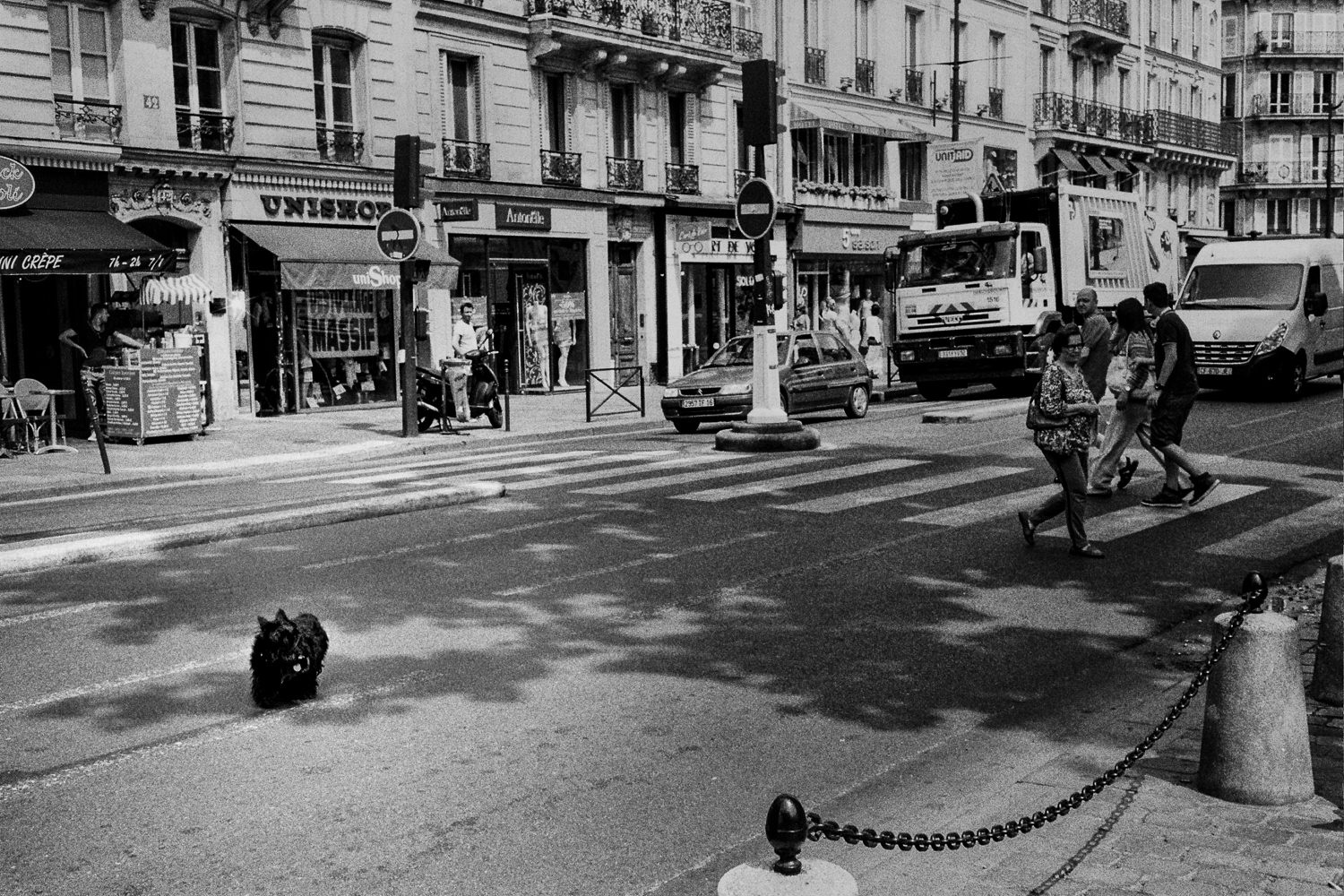
Film negatives, stored properly, can last over 100 years. They don't require software updates, subscription services, or compatible hardware to access. They won't disappear if a company goes bankrupt or changes its terms of service. In an age of digital uncertainty, film offers the security of analog permanence.
This tangibility extends beyond mere preservation. Physical prints transform photography from a fleeting digital experience into a deliberate, ceremonial practice. Film photographers often describe getting film developed as "Christmas morning every time." The ritual of opening the envelope, examining each negative against the light, and seeing images materialized creates an emotional connection that scrolling through smartphone galleries simply cannot match.
The tactile nature of film photography also influences the viewing experience. Print viewing is inherently social and contemplative. You must physically hand someone a photograph to share it, creating an intimate moment of connection. You can spread prints across a table, pin them to a wall, or slip them into a wallet. Each interaction with a physical print reinforces the memory attached to it, creating stronger neural pathways than digital images viewed briefly on screens.
This tangibility has particular appeal for younger generations who grew up entirely in the digital realm. Gen Z and younger millennials are discovering the profound satisfaction of creating something physical in an increasingly virtual world. For them, film photography represents not a return to the past, but a discovery of something they never experienced: the weight and presence of analog creation.
2. The Psychology of Scarcity: How 36 Exposures Changed Everything
Film photographers often learn composition through scarcity. Standing in parks with vintage cameras, having already burned through most of a 36-exposure roll, every remaining frame suddenly matters. In the digital world, photographers might fire off 50 shots without thinking. With film, every frame becomes a conscious decision. This psychological transformation from abundance to scarcity represents perhaps the most profound way film photography is reshaping how young photographers approach their craft. When each exposure costs money every click of the shutter becomes a conscious economic and artistic decision.
The concept of constraints in creative pursuits isn't new, but film photography provides a natural constraint system. When each exposure costs money and additional shots aren't free, every click of the shutter becomes a conscious decision. This creates what many photographers describe as heightened awareness that changes their approach to photography.
When resources feel abundant, people tend to operate on autopilot, making quick decisions without much consideration. Scarcity forces more deliberation. In photography, this often means really seeing the scene, understanding the light, composing carefully, and timing the moment precisely. This deliberation manifests in multiple ways. Film photographers report spending significantly more time observing scenes before raising their cameras. They study light quality, wait for better compositions, and consider whether a moment truly deserves to be captured. Digital photographers, freed from material constraints, often adopt a "spray and pray" approach, taking dozens of similar shots hoping one will work in post-processing.
The economic psychology of film also creates interesting behavioral changes. When each frame represents a monetary investment, photographers become more selective about subjects. They're less likely to photograph mundane moments or experiment aimlessly. This selectivity often results in more cohesive bodies of work and stronger individual images, as each photograph represents a deliberate choice rather than a casual snap.
Social media has amplified this scarcity appeal. Instagram accounts dedicated to film photography often showcase carefully curated collections of 12 to 24 images per roll, each one deliberately composed and thoughtfully exposed. This contrasts sharply with digital photography accounts that might post multiple times daily with varying quality levels. The constraint of 36 exposures naturally creates portfolio-quality curation.
The waiting period between exposure and development adds another layer of scarcity psychology. Digital instant gratification has conditioned us to expect immediate feedback, but film photography deliberately delays this satisfaction. Photographers must wait days or weeks to see their results, creating anticipation and emotional investment in each roll. This delay often makes successful images feel more valuable and memorable than their digital counterparts.
Interestingly, this scarcity mindset often improves photographers' digital work as well. Many film photographers report that after shooting film regularly, they become more deliberate with digital cameras too, taking fewer but better-composed shots even when unlimited storage is available. The constraint training carries over into abundance situations. The learning curve imposed by film scarcity also creates deeper technical understanding. Without the safety net of unlimited shots and instant review, photographers must master exposure, understand their camera's metering system, and predict how different lighting conditions will affect their film stock. This foundation knowledge makes them more versatile and confident photographers across all mediums.
Young photographers particularly embrace this constraint culture. Generation Z, raised with unlimited digital everything, finds the imposed limitations of film refreshing and grounding. Where older photographers might view film's constraints as limitations to overcome, younger photographers see them as features that enhance rather than restrict their creativity.
The scarcity psychology of film also extends to the cameras themselves. Unlike digital cameras that become obsolete within a few years, quality film cameras from the 1970s and 1980s remain as functional and capable today as when they were manufactured. This permanence creates a different relationship with equipment: instead of constantly upgrading, film photographers often develop long-term relationships with specific cameras, learning their quirks and capabilities intimately.
3. Authentic Aesthetic Appeal: The Rebellion Against Digital Perfection
In a world where Instagram influencers spend hours perfecting their skin texture with FaceTune and smartphone cameras automatically smooth wrinkles, young photographers are deliberately choosing a different path. Their photography features visible grain, slightly soft focus, and color rendition that no digital filter can truly replicate. Film doesn't lie in the same way digital can. It shows reality, including the beautiful imperfections. This embrace of imperfection represents a growing rebellion against the hyper-polished aesthetic that dominates social media and digital photography. Film photography offers something increasingly rare in our digital landscape: authentic unpredictability that cannot be perfectly controlled or artificially replicated.
The visual characteristics of film — grain structure, color response, dynamic range, and contrast curves — result from complex chemical processes that vary slightly with each exposure. These variations create subtle inconsistencies that digital perfection cannot match. Each frame is unique not just in content but in the specific way the emulsion responded to light, temperature, and processing conditions. This organic randomness creates visual character.
Consider the current state of social media photography. Instagram feeds are filled with images processed through increasingly sophisticated filters designed to mimic film looks, yet something crucial gets lost in translation. Digital algorithms can approximate grain patterns and color shifts, but they cannot recreate the countless micro-variations that occur during actual chemical processing. The result feels hollow; they're technically accurate but emotionally distant.
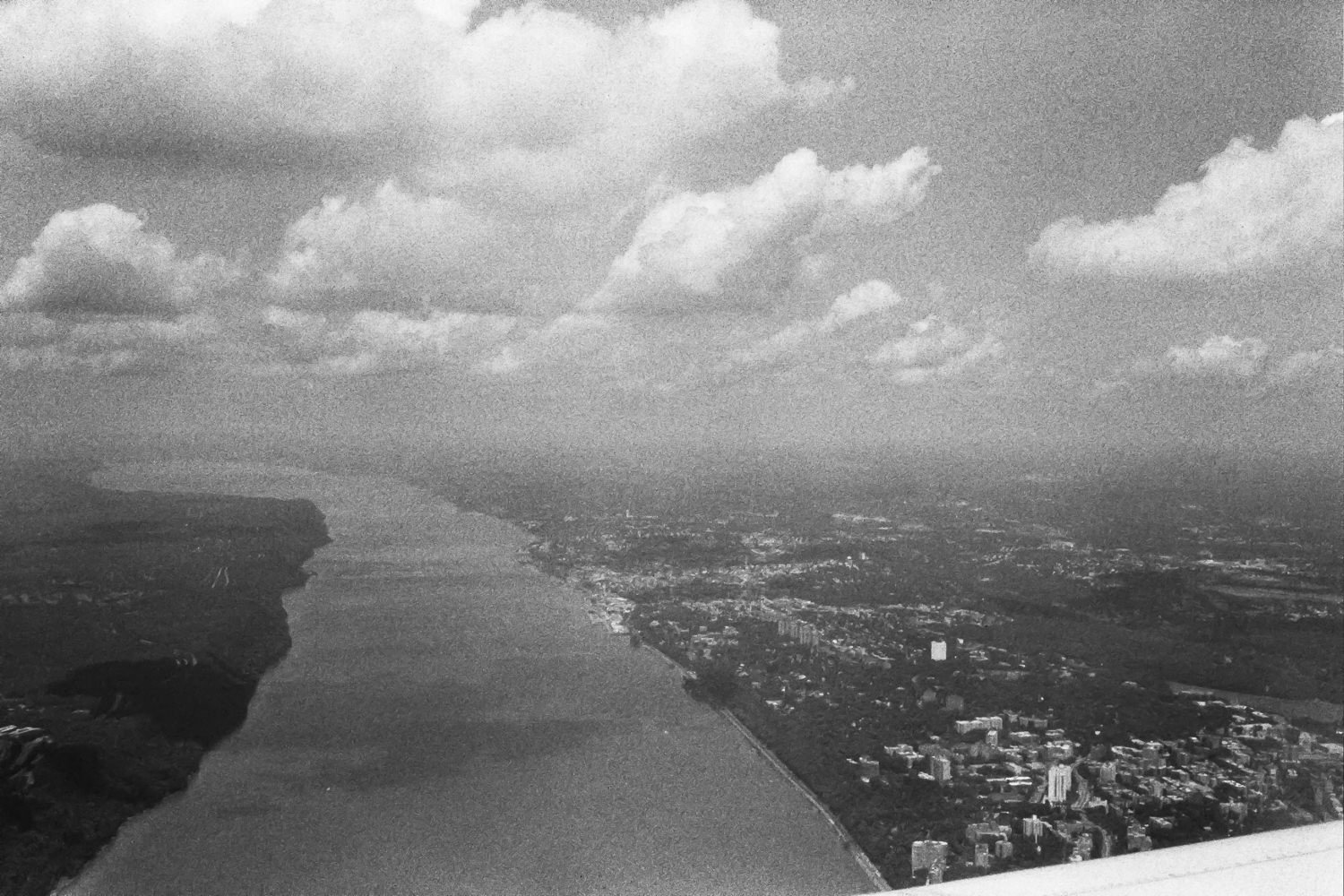
The aesthetic appeal of film grain particularly resonates with younger photographers. Unlike digital noise, which is generally considered undesirable and eliminated through processing, film grain is an integral part of the image structure. It adds texture and organic feeling that makes images feel more tactile and real. High-speed films like Kodak Tri-X or Ilford HP5 pushed to ISO 1600 create pronounced grain that would be considered "noise" in digital terms but adds emotion and atmosphere to film images.
Color rendition represents another area where film's imperfection creates appeal. Different film stocks render colors distinctively. Fuji films tend toward cooler, more saturated colors while Kodak stocks lean warmer with more natural skin tones. These color signatures developed over decades of chemical engineering create looks that feel inherently more pleasing than mathematically perfect digital color reproduction. The slight color shifts and response curves feel more like how human vision actually processes color rather than how machines measure it.
The unpredictability factor appeals particularly to photographers frustrated by digital photography's tendency toward homogenization. Smartphone cameras and popular editing apps create similar-looking results regardless of the photographer's intent. Film photography reintroduces happy accidents, unexpected results, and serendipitous moments that cannot be predicted or perfectly controlled. Light leaks, double exposures, developing artifacts, and exposure mistakes often create more interesting and emotionally resonant images than technically perfect digital captures. These "flaws" humanize the photographic process and remind viewers that real people created these images through physical processes rather than algorithmic manipulation.
The rebellion against digital perfection also extends to the philosophical level. Film photography represents a rejection of the idea that newer technology automatically produces better art. Many of the most celebrated photographs in history were created with inferior" technology by today's standards, yet they remain powerful and moving decades later. Young film photographers are discovering that technical limitations can enhance rather than hinder artistic expression. This aesthetic appeal has created interesting dynamics in photography education and professional work. Many young professional photographers incorporate film into their commercial work specifically for its distinctive look. Wedding photographers charge premium rates for film coverage, and fashion brands specifically seek film photographers for campaigns aimed at younger demographics.
The irony that film photography's renaissance is largely documented and shared through digital platforms isn't lost on participants. Instagram hashtags like #filmisnotdead and #believeinfilm have millions of posts showcasing analog results to digital audiences. This digital distribution of analog aesthetics creates a feedback loop that further drives film's popularity among social media-native generations.
The authenticity appeal extends beyond just visual characteristics. Film photography represents authentic process as much as authentic results. In an age where AI can generate photorealistic images indistinguishable from reality, film photography offers proof of human involvement and analog process. When someone posts a film photograph, viewers know a person physically went somewhere, loaded film, composed the shot, and participated in the chemical development process. This human authentication becomes increasingly valuable as digital manipulation becomes more sophisticated and prevalent.
4. Vintage Camera Culture: When Photography Equipment Becomes Fashion
Vintage film cameras have become conversation starters that extend far beyond photography. A Canon AE-1 draws more attention and conversation than any digital camera ever could. Walking through downtown areas, strangers regularly approach film photographers to share memories of their own vintage cameras or ask about the gear. It's like carrying a piece of history.
This transformation of film cameras from tools into cultural accessories is one of the most unexpected aspects of analog photography's renaissance. Vintage film cameras have evolved beyond their functional purpose to become statements of style, authenticity, and cultural awareness that resonates particularly strongly with younger generations seeking alternatives to mainstream digital culture.
The aesthetic appeal of classic film cameras cannot be overstated. Cameras like the Pentax K1000, Nikon FM, Canon AE-1, and Leica M series feature industrial design that prioritizes function over flashiness, creating timeless visual appeal. Their mechanical construction, metal bodies, and accents represent an era when products were built to last decades rather than become obsolete within years. This build quality creates both visual and tactile satisfaction that modern plastic-bodied digital cameras rarely match.
Social media has amplified this vintage camera culture exponentially. Instagram and TikTok are filled with "camera check" videos where young photographers show off their analog gear collections. Hashtags like #filmcamera and #vintagecamera generate millions of views, with videos featuring camera reviews, styling tips, and collection showcases. The cameras themselves become content, not just tools for creating content.
The collectibility factor adds another layer to vintage camera culture. Unlike digital cameras that depreciate rapidly and become obsolete, quality film cameras often maintain or increase their value over time. A well-maintained Leica M3 from the 1950s commands higher prices today than when it was manufactured. This investment aspect appeals to young photographers who view their cameras as both tools and assets. I went to a vintage festival recently and saw hundreds of old film cameras mixed in with clothes.
Thrift store hunting for vintage cameras has become a popular hobby that extends beyond photography enthusiasts. The treasure hunt aspect – finding a rare camera model or getting a great deal on quality gear – creates excitement and community around camera collecting. Online forums, Facebook groups, and Reddit communities dedicated to vintage camera finds have thousands of active members sharing discoveries and knowledge.
The learning curve associated with vintage cameras also appeals to younger photographers seeking authentic challenges. These cameras require manual focus, manual exposure calculation, and understanding of fundamental photographic principles. Using them successfully creates a sense of accomplishment and technical mastery that automatic digital cameras don't provide. The difficulty becomes part of the appeal rather than a barrier to overcome.
Celebrity and influencer endorsement has significantly boosted vintage camera culture. High-profile photographers, musicians, and artists regularly showcase their film cameras on social media, creating aspirational appeal for their followers. When someone like Kendall Jenner posts Instagram stories featuring her Contax T2 or Frank Ocean shares photos taken with his Mamiya 7, it signals to younger audiences that film photography represents cultural sophistication and artistic authenticity.
Different camera models have developed distinct cultural associations and aesthetic subgroups. Leica cameras represent luxury and serious photographic intent. Canon AE-1s suggest accessible vintage charm and beginner-friendly analog entry. Pentax K1000s signal art school authenticity and learning focus. These associations create social signaling opportunities where camera choice communicates identity and values to knowing observers.
The mechanical nature of vintage cameras provides therapeutic appeal in our increasingly digital world. The physical actions of advancing film, setting aperture and shutter speed, and manually focusing create satisfying tactile experiences that smartphone photography cannot replicate. The clicks, winds, and mechanical precision of quality vintage cameras offer sensory pleasure that many users find meditative and grounding. Repair and maintenance culture around vintage cameras has also flourished. Camera repair shops that were closing as digital took over have found new life serving film photography enthusiasts. Learning to maintain and repair vintage cameras has become a hobby itself, with online tutorials and communities sharing knowledge about keeping decades-old equipment functional.
The environmental consciousness of younger generations also aligns with vintage camera culture. Using equipment that has already been manufactured for decades represents a form of recycling and sustainable consumption that appeals to environmentally aware consumers. Rather than contributing to electronic waste by purchasing new digital equipment, film photographers often pride themselves on giving new life to vintage gear.
Vintage camera culture has created interesting economic dynamics in the photography equipment market. Prices for popular film cameras have increased as demand has grown, with some models selling for more today than their original retail prices. This appreciation has created investment opportunities and speculation markets around particular camera models and rare variants.
The community aspect of vintage camera culture extends beyond individual ownership to shared experiences and knowledge exchange. Camera shows, swap meets, and photography walks specifically focused on film gear have become popular social events. These gatherings allow enthusiasts to share knowledge, try different equipment, and connect with others who appreciate analog photography culture.
5. Therapeutic Escape: Finding Mental Health Through Analog Photography
The differences between analog and digital photography create distinct experiences. Digital photography's instant gratification operates differently than film photography's delayed satisfaction and sustained attention requirements that many users find calming and focusing.
The mindfulness aspects of film photography are particularly powerful. Loading film requires careful attention to light seals and proper spooling. Manual focus demands present-moment awareness of your subject and environment. Calculating exposure without automatic metering forces engagement with current lighting conditions. Each step demands full attention and presence, creating natural mindfulness practice that many users find more accessible than traditional meditation.
Film photography is an interesting way to naturally address common sources of modern stress. When you're limited to 36 exposures, you make fewer but more deliberate decisions. When you can't immediately see results, you stay focused on the present moment rather than constantly evaluating and adjusting. The digital detox aspect of film photography provides structured screen-free time that doesn't feel like deprivation. Unlike arbitrary rules about phone usage, film photography gives people positive activities to engage in while away from screens. The physical nature of the process engages different sensory and motor systems than constant screen interaction.
Many film photographers report that the slow, deliberate pace feels calming compared to the urgency that characterizes much of modern life. The inability to immediately see and share results removes some of the social comparison pressure that drives social media stress. The acceptance of imperfection and unpredictability often helps people develop a more relaxed approach that can carry over into other areas of life.
 Some people find that film photography's combination of creative expression, sense of accomplishment, and connection with physical processes provides satisfaction that digital activities often lack. The surprise and anticipation elements of not knowing results immediately can create positive experiences during the waiting period.
The social aspects of film photography also contribute to mental health benefits. The shared appreciation for process over perfection creates environments where learning and experimentation are encouraged rather than polished results being demanded. Camera shops, darkrooms, and photo walks provide in-person social interaction opportunities that many people lack in their increasingly digital lives.
The constraint-based nature of film requires sustained attention in ways that unlimited digital photography does not. Some young photographers notice that regular film practice affects their approach to other tasks as well, making them more deliberate even when unlimited options are available.
Film photography has found audiences among diverse groups seeking different experiences. Veterans have found the meditative qualities and creative expression helpful. Older adults discover film photography communities and activities that provide purpose and connection. Students use film photography as a pressure-free creative outlet that doesn't require performance or evaluation.
Many film photographers appreciate the reduced evening screen time that comes with analog activities. The physical nature of walking with cameras and working in darkrooms provides a different kind of tiredness than screen-based activities. Some photographers find that developing film or organizing negatives in the evening creates a calming transition away from digital stimulation.
Creative block and artistic frustration also respond well to film photography's approach. The constraints and unpredictability of the medium often unlock creativity in people who feel stuck in their digital work. The permission to make mistakes and the celebration of happy accidents creates psychological safety for experimentation that many creative people lose when perfectionist digital tools enable endless revision and comparison.
Professional burnout, particularly in creative fields, has led many professionals to rediscover film photography as a way to reconnect with pure creative joy without commercial pressure. The personal nature of film photography provides creative satisfaction that professional digital work sometimes eliminates through over-optimization and client demands.
While formal research into photography's mental health benefits is still emerging, anecdotal evidence suggests promising results. The combination of creative expression, mindfulness practice, physical activity, and social connection that film photography provides addresses multiple mental health factors simultaneously.
Conclusion: The Future of Looking Backward
The renaissance of film photography represents more than nostalgic affection for outdated technology. It signals a broader cultural shift toward intentionality, authenticity, and balance in our increasingly digital world. As young photographers continue embracing analog processes, they're not rejecting progress, but rather, they're reclaiming aspects of human experience that pure digital efficiency cannot provide.
Hopefully, this analog revival likely represents the future of creative technology: not wholesale rejection of digital tools, but thoughtful integration of analog elements that enhance rather than replace human capabilities. As artificial intelligence and automation continue advancing, the value of processes that require human presence, decision-making, and imperfection will only increase.





Even though it was half an eternity ago, I can still remember analogue photography very well. I also had a small darkroom for developing black-and-white and colour negatives and an exposure unit for prints. The countless negatives and slides from the analogue era have actually survived to this day.
What defines analogue photography is the analogue aspect. The moment I scan analogue films or prints to share them digitally, analogue photography loses exactly what makes analogue photography special. Digitally editing analogue negatives and publishing them on digital platforms feels like a 1960 VW Beetle with an electric motor. The look and feel of analogue photography can never be shared digitally.
The experience of analogue photography is not just about loading the camera with a roll of 36 film. It also includes the tactile experience of real prints. Or maybe an SX-70 with a Polaroid cassette with 8 shots?
I will not return to analogue photography. When I'm on the go with my digital camera, I always have a small instant camera with me so I can give someone a photo as a memento of that moment.
This camp isn't looking back. That would be like me wanting to go back to dial-up or standard television. LOL
I got into photography using a ITT 110 pocket camera, then bought my first SLR, a Chinon CS with a 50mm lens. I had many more cameras after the throughout the 70's and until the 2000's when I got into digital. There is no way I want to go back to the hassle and expense of film photography. The quality of the images back then were frankly awful and my photography has improved ten fold since digital photography because I could take as many photos as I want without the worry of cost. Take a bad photo, just delete it and try again. I agree that digital images may be more volatile but if you get photo books made of your favourite images, that problem goes away. Gen Z are welcome to film cameras, dumb phones and vinyl records, been there, done that and have the t-shirt. What's next, wash your clothes in a nearby stream, cook your food over a wood fire, live in a cave!
Nope, never want to smell stop bath again. What's strange to me is that many of them are shooting film, sending it out for processing, and not getting the negs back. Right. The negs are scanned and then discarded. Just a slower and more expensive form of digital.
Even when digitised, you still retain the character of the film negatives, maybe not quite the same as an actual print though. I still prefer the way film looks compared to digital but the convenience of digital far outweighs having to develop negatives and prints. Even just scanning negatives feels like a faff and that's before I even mention the cost of film.
It's not just convenience. Digital IQ is better. And you're not locked in to 36 exposures at a single ISO and fixed WB. Never going back.
There is much to be said for film photography, and to paraphrase Santayana, those who do not learn the lessons of film history are doomed to repeat them. I agree that the scarcity aspect of film is a positive to the impulsive photographer, as is the therapeutic, mindful quality of film. It's also true that, historically, all tangible prints were from film and photographic paper up to the point when they weren't. Without a doubt, there is great photography being done with film as we speak. But I would bet that the vast majority of the great film photography from this current renaissance is being digitized, manipulated, shared and stored in multiple, redundant locations unlike the unique, original film that enabled it. The is no slam on film, it's just a recognition that the digital genie has left the bottle, and that any technical or aestheric restraint or benefit that film imposes on photography can and will be transferred , with a little imagination, to digital.
I am one of those who started film in the early 70's and lived the development of my photo eye or eyes spotting a capture when no one else saw something just to say the world also during those early days was fast and hectic also. My camera then and still is a Canon Ftb with another Canon AE-1 one for day and another for night. Yes also during those time a small portable tripod. Also I was in the navy and carried all around in a gym bag while walking around a city or on a MWR tour (my favorite time). Today I call my cameras automatic due to a bult in light meter and a needle would go up and down and a aperture needle with a round circle you put both together and most everything came out great. So I lived it and had to wait for prints to come back from Kodak. The one missed info not covered is the log book of info of who, what, where and how. The how the most important with camera settings I had a small note book for a trip but another back on the ship for all ever photos, this maybe one thing many never use for brain power and extra time is involved.
Time today is so crowded today with cell phones, TV with streaming something giving up some 3 to 4 hours of time just siting in front of a tube but texting the hole time also.
This is a well thought out psych paper dissertation but really misses the whole point in the film resurgent. It is the matter of "TIME". There is no time out to edit images today most all just capture and post and as far as prints just added expense to all things draining the wallet.
I have a couple of young nephews each very successful money wise with very expensive cameras for travel over time and no edits or prints just linked images!!!
Yes film is a way to slow down and look around and sending a roll to be developed is a fast done deal for again even keeping a log and study of it is more time.
I have a younger brother that used my dads little like spy camera to do black and white and doing prints in the bathroom at night while others slept back in the 60's and ended up getting a scholarship from Kodak and went to work there and helped in making its instamatic like the Polaroid Camera with many patent for other things, he is the real photographer in the family.
The one thing that film and the prints do that digital can not do is put the story of the image on the back, yes under but still not a part of as the record goes.
When I was young back in the 50's I would go in my grandma's attic where a big box of photos where and read the backs only knowing the unknown names and places. The reason for prints today but I keep Hard drives full also!!!
The Photos without the stories like a newspaper the who, what, where and when and what for!!!!
A good eye makes for not being just a tourist!
I'm an old guy. Shot NCAA basketball with a speed graphic in the 50's. Shot walking around in the mountains with a speed graphic. Friends and family the same. Met a chemist who showed me how he took photos through his microscopes with an Exakta back in the late 50's. Got one, SLR's were cool. Had a bunch. Never touched film after digital came out. Had lunch with an old friend twenty years ago. He handed me a bag, said he didn't know what to do with it. A variety of old films cameras. Some still loaded with film. Gave one to a granddaughter taking photography in school. Rest in the closet. Now you make me wonder. Bet there is a kid or two who might like one. Guess it's time to explore Ebay. Don't know if I could part with my favorite Speed Graphic. Are there digital backs I can afford?
I'm not so sure that the youth returning to film is particularly new. 15 years ago I gave my nephew my Minolta STR101 and a few lenses. Five years ago while having lunch on a photo walk in Portland, ME, I spent a good hour talking to a young woman who had an old Canon that her uncle had given her, explaining the exposure triangle and the rewards, danger of shooting expired film.
While I won't go back to film as my primary camera, I've been tempted to have one on the shelf, likely medium format, to use occasionally.
Not being familiar with generational labels, other than Baby Boomers who got zapped with a label because there were so many of us, and we annoyed the hell out of our parents, I had to Google Generation Z. Turns out these are kids born between 1997 and 2012... the youngest of them just about the same age as my camera. Discounting the fact that a 13 year-old is probably too young to be into expensive hobbies (or have times changed that much?), we're probably talking about young adults, say 20-28.
The question in my mind, if indeed there are anything more than a very few people of that age group into film photography, is how in the world with the price of rent, insurance, groceries and everything else going sky high, can they afford the luxury of film and processing?
Ed, almost all photographers of that age group are using digital cameras, not film. I know many of that age personally, as my 3 nephews and niece all fall within the Gen Z parameters, and I go out shooting with them and their photography friends often. Also, back here in WA state, there are 4 young photographers in my church, and all of them use digital and have never even owned or used a film camera, ever in their lives.
Sadly, the title of the article is just clickbait - it's Alex chasing clicks instead of being true to himself. Alex is such a good writer that it is sad to see him cheapening his work just to get more clicks. He is much better than this. Once again, an article with many wonderfully expressed insights, accompanied by a cheesy clickbait title.
In fairness to the author, the language of the title does not imply that every person of the Gen Z age group has swapped digital for film photography. It doesn't even claim that half of them have done that, or 10%. I think the title merely suggest that some of that age group is turning to traditional stuff like film photography. A noticeable trend or movement perhaps?
I met a young lady, maybe 30 years-old at the most, at Barnes and Noble recently who was browsing the vinyl records. Asked her if she actually bought them, and she went on to say how much she loved listening to records, she even has a small group of friends that get together, talk about and share vinyl records. Kind of like I do with a group of fellow photographers who meet, talk and share our love of photographic prints.
Would you say that Baby Boomers are ditching digital in favor of paper? No, of course not. It just means that a few of us prefer discussing photography over a print rather than on a projection screen. Whether it's a large proportion of people or small doesn't really matter so much... it's the idea behind it. And just as vinyl records stores are popping up around town, camera stores appear to be selling a lot more film cameras than maybe five or ten years ago.
By the way, I think I made a slight gasp when I saw the price tag on that record at B&N. It was like $27. The young lady wouldn't have believed me if I had told her they cost about $4 when I was a kid.
Couldn't agree more, Tom - the film 'renaissance' among youth was a relatively brief thing that peaked around 6 years ago when film cameras were still available cheap in charity/thrift shops and online marketplaces. As a teacher of 16-19 year olds for the last quarter of a century, such trends are clear and rarely last long. By the time they hit public consciousness they are pretty much over among the originators. At the moment they are well past the film photography thing and nearing the end of the digicam craze. The teen early adopters are now moving into old phones - time to start snapping (weak pun intended) up iPhone 4s!
I started out taking pictures on a pinhole cardboard box camera I made with x-ray film... Then flashed another in the darkroom by flicking the light switch to make a positive "print". This was around 1995, slowly I found digital cameras over the years... crappy crappy ones that started with 640x480 pixels... But I didn't have to spend money on film and developing. Later I really developed a passion for them, moving my way up to a Canon 5Dm2. Collected and used really good L glass. Last month I bought a Canon 650 film body and most all of my lenses are compatible.
I'm enjoying reflecting on my childhood experiences through my mom and Dad's film photography... Loving it.
If you're done with film I'd always love and appreciate your old gear ;)
Techonology has moved on. Film is too slow, too limited.
Sorry but far too often sweeping statements are made in this film vs digital discussion as if film is to be romanticised and digital thought of as soulless, over edited and only for social media. Just because digital cameras are crammed full of features doesn't mean you can't simplify your approach because you absolutely can. I shoot in fully manual and only use manual lenses, for example. You don't need to shoot digital just for social media likes but anyone shooting on film can easily get their photos digitised for social media likes if they want.
I really love Alex's writing, as he writes so darn well with excellent attention to detail. However, I often disagree with the way he words his titles - they often contain statements that are not true or not entirely true. I do not know of any young photographers who have ditched digital cameras. To state that they have, collectively, as a generation, ditched digital cameras, is not true. When we write titles, we should not be chasing clicks..... that is exactly the same as photographers shooting just to get more likes and followers on Instagram. Instead, we should be true to ourselves and write titles that are true, and not overstatements or exaggerations. An honest, factual description of the content of the article is what the title should be.
It boosts your self-esteem. It makes you feel special. It’s trendy. And it’s incredibly cheap compared to the alternatives. The perfect recipe — a marketer’s dream!
"4. Vintage Camera Culture: When Photography Equipment Becomes Fashion"
This is THE driver of anything that can be characterized as a "resurgence" in film/vintage cameras driven by Gen Z. Everything else is just filler and mostly nonsense.
And, with the right techniques, modern digital photos can be indistinguishable from film photos. People who say otherwise are simply spouting internet conventional wisdom. No, the experience of creating the photos with film can't be replicated with digital, but the actual photos can.
As an example, you would be hard pressed to differentiate the photos of Peter Lindbergh pre and post digital by looking at them. That's just one example.
Started with film in the 70s and I'm happy with digital today. I'd still like to get a battery holder replacement for my Pentax 645 to use occasionally. I know I'll have to scan the film which means the final image will be a hybrid of film and digital. I don't want go as far as setting up a darkroom for printing. Maybe if it was "affordable," but I don't see that happening for me.
My experience from working camera shops: the big wave of people (young and old) getting into film was a few years back already. About three years ago things started to fall off, around the time the vintage-digicam fad that began in Japan jumped the pacific. Film and development prices were going up which made the lo-fi image quality of the digicams the next best thing, and now prices are such that it’s mostly just middle aged dudes coming in for film these days. But even then, demand has really dropped off. Guess it makes sense, job prospects for many folks aren’t that great, and pay isn’t keeping up with inflation.
Food>film
it is shameful that you deleted your account ..... be a transparent forthcoming human and stand behind what you write
I wonder how hard is it for AI to try and replicate Film. I'm sure it's much easier with digital. To me photography isn't about whether film or digital is better, It's about the beauty that is shown through the viewfinder.
I think there is more going on than some hipsters loading film into a light box so they can walk down a street to garner oooooh's and awes. I think people are connecting to analog images for their organic authentic look. I learned on film and maybe they are putting their hand to the analog plow to be forced to learn composition, exposure and depth of field. Shouldn't it be more about the craft and brotherhood of people who simply love images? Live and let live. I love both mediums for they are expressions of people capturing an image exposed by light traveling 186,000 miles per second.Telling a story by freezing time. I love the look film offers and to me it looks different than digital. I mean if that weren't the case why would programs exist to make digital images look more like film. Why would some people prefer vinyl records to digital music? I love digitl for its razor sharp images and speed in everything it does. It doesn't have to be one against the other. Below a Mamiya 645 Kodak Ektar 100 image.
I am a mostly digital photographer now as ive been into photography for over 40 years and have done film (many hours in darkroom doing BnW and cibacrome +) and digital for about the same time. That being said I love the thought of the younger people using film. First off it is the best way to learn the art of photography and the technical aspects of the craft. You learn how to record light onto film and that will greatly improve your digital photography. I have in the past enjoyed the process of taking my film camera for a walk and putting it thru the paces but I do not own one now as it was given to my Daughter who uses it on occasions. Live and let live.
As a father of a couple of Gen Zedders, and teacher to many more, I'm seeing a bit of this going on (along with a revival of the zine scene!). It tends to be in the university towns in the UK, or those with a bit of an art scene, and is probably more of a sub-culture so far. I think, also, that the young stock prefer disposable cameras or instant ones to old 35mm SLRs.
I'm all for it. I love the maths and science behind photography as much as anyone, and all the features and capabilities a modern camera, but I do occasionally miss the simplicity of the £13 Zenith I took around the world in the 80s. And I enjoy sticking the Helios lens on my modern Canon for some old school vibes.