Nikon Announces New Nikon Z f Silver Edition
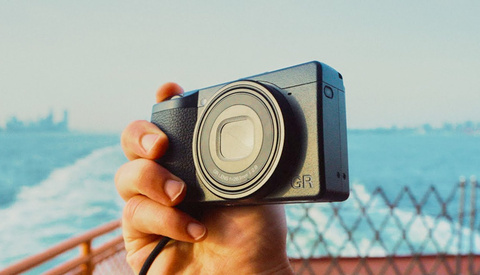
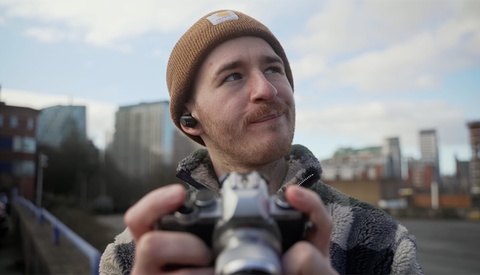
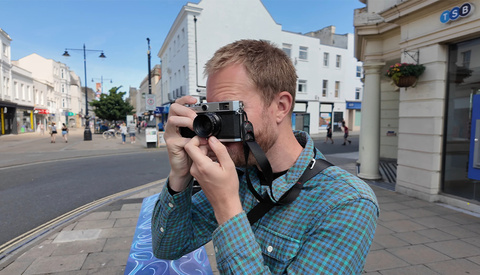
Photographers who like to add a bit of style to their photographic flow can rejoice as Nikon is finally adding a silver option to its line of pocketable street cameras, the Nikon Z f.
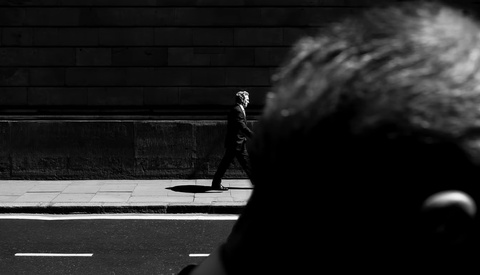
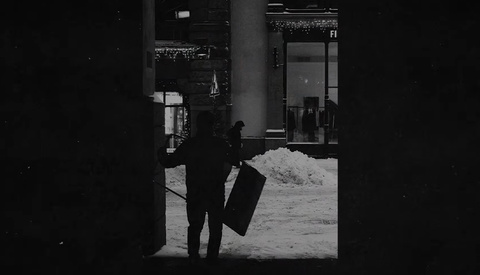
Street photography is a story of two halves. On the one hand, you can quite literally stroll down a street and capture some shots; whether it’s with your phone, a retro camera, or a modern DSLR, you’ll be doing street photography in one way or another.
How much difference can half a stop of maximum aperture make? Let’s see if it is worth carrying a much bigger and heavier lens.
Inconspicuous, intuitive, and with great image quality — can you combine all of that into one perfect camera for capturing life on the street? This photographer says yes.
Street photography demands more than just technical skill—it requires a fundamental shift in how you approach both your subjects and your craft. Most people struggle with confidence and direction when they first step onto the streets with their camera, missing countless opportunities because they hesitate or lack a clear vision.
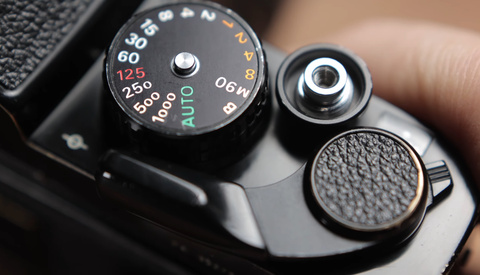
Shooting street photography on film offers a unique way to engage more deeply with your environment. Film requires intentionality and mindfulness that digital doesn't always demand, making it especially rewarding when done thoughtfully.
Camera settings can make or break your images, yet sorting through endless menus to find the right combinations can be overwhelming. Getting comfortable with just a few important settings can greatly speed up your process and improve your results.
I am not going to lie, I have been stuck in an awful rut for almost a year. My creativity took a dramatic fall, and I had no get-up-and-go when it came to photography. Until now...
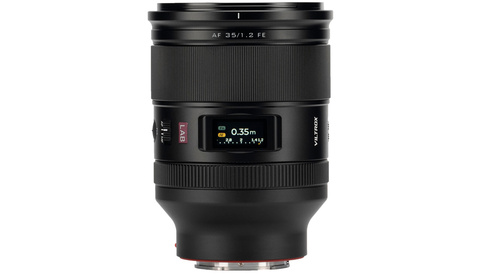
Lenses like the Sigma 35mm f/1.2 Art and Sony 35mm f/1.4 GM have long dominated the fast 35mm space on Sony E-mount. But Viltrox, with its new 35mm f/1.2 FE LAB, is aiming right at the high end. Is this latest entry in Viltrox’s already impressive LAB series a competitor for the best-performing 35mm on E-mount?
Street photography has its share of myths that can hold you back or limit your creativity. Understanding these misconceptions helps you find your unique path and approach, improving your images without unnecessary constraints.
Wabi-Sabi is a traditional Japanese philosophy that encourages seeing beauty in imperfection, impermanence, and simplicity. This approach can transform how you experience photography, offering depth to the everyday moments you capture.
Street photography has grown hugely in popularity over the past couple of years. For me, it’s become one of my favorite photography genres because it’s easy to do, a lot of fun, and so accessible. Most of us live in or near a large town or city, so a spontaneous outing is feasible without planning. I like that. And you don’t need a lot of fancy, expensive gear.
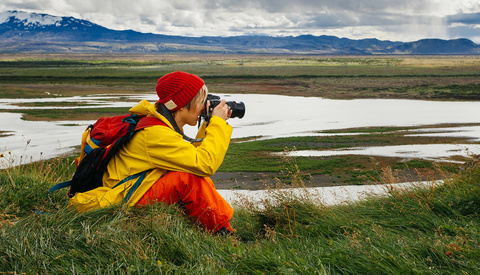
Street photography is intimidating if you're naturally introverted, but it's entirely manageable once you know how to adapt your style. Interacting with strangers and being highly visible aren't required if you learn to navigate it thoughtfully.
It takes a combination of courage, self-confidence, and a relaxed, easygoing nature to feel comfortable approaching and photographing strangers. For some of us, this comes more naturally than for others, but is this a skill that we can develop with a view to becoming better street photographers?
Street photography can feel intimidating if you're naturally introverted or shy around strangers. Overcoming that initial fear matters, because without it, you might miss capturing compelling moments that happen right in front of you.
Photography sometimes requires us to embrace the apparent contradiction that life can be beautiful even when it isn’t pretty. This is something that Serbian-born photographer Boogie understands all too well and is reflected in his raw and unflinching photographic style.
Canadian photographer Greg Girard left Vancouver in the 1970s to explore Southeast Asia with his camera. His colorful, atmospheric landscapes showed us a very different and unfamiliar part of the world that, for Westerners at that time, was much less traveled and even less well known.
Walking 20,000 to 40,000 steps on a photo walk isn’t always practical. Sometimes, you need a way to capture compelling images without constant movement. A method called the "fishing technique" offers an alternative, letting you stay in one spot and wait for the right moment instead of chasing subjects.
Picture this: rays of sunlight streaming through the pristine waters of an ancient cenote, forming a mesmerizing light display found nowhere else on Earth. Or a golden-hued petrified waterfall at sunrise, untouched by crowds. This is a side of Mexico rarely seen—far removed from the iconic shots of Chichén Itzá or the bustling shores of Cancún.
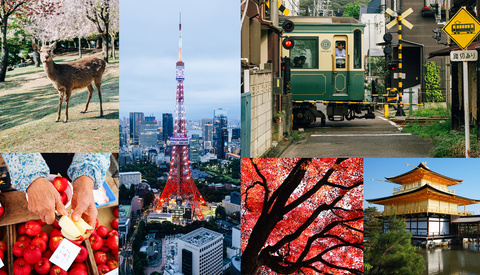
Japan is one of the hottest travel destinations right now, with visitor numbers exploding since borders reopened in late 2022 following the pandemic.
It is often through the eyes of an outsider that we are most able to see ourselves clearly. The collection of iconic images that Swiss photographer Robert Frank captured on his 10,000-mile road trip across America amounts to nothing less than a historical document and a landmark in American culture.
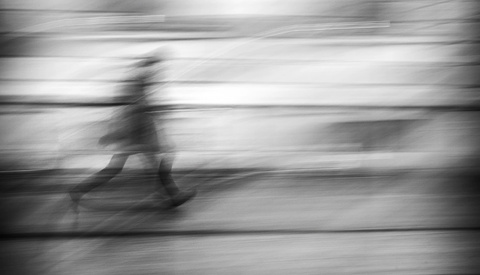
Long-exposure photography isn’t just for tripods and perfect lighting conditions. With the right technique, you can create surreal, motion-filled images handheld, even on a rainy day. This can turn an otherwise uninspiring scene into something captivating.
Street photography forces you to think and react differently compared to travel or landscape photography. While the latter might involve waiting for a perfect scene to unfold, street photography demands quick reflexes and an ability to anticipate moments before they happen.
Street photography is all about capturing compelling scenes that hold the viewer’s attention. One powerful technique to elevate your images is layering. By incorporating depth through foreground, middle ground, and background elements, you can create dynamic photos that feel rich and dimensional.
Mistakes are a part of learning, especially in street photography. However, if you don’t identify and address these errors, progress becomes slow. From technical missteps to behavioral habits, recognizing these pitfalls can significantly improve your photography.
Street photography thrives on strong composition and purposeful framing. Creating images that captivate often comes down to how effectively you use the space within your frame.
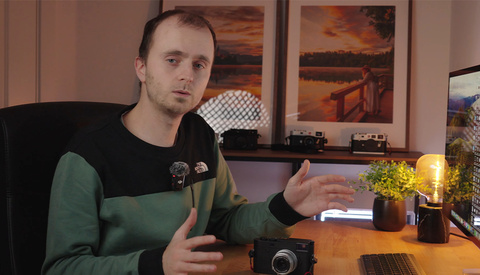
I go through many a season with my gear. Sometimes it's Nikon season; other times, it's Panasonic or Fuji season. But no matter how many times I try to downsize, I always end up back where I started: with too many cameras.
Street photography is a craft that requires both spontaneity and intention. It's not just about capturing what’s happening; it’s about capturing it in a way that tells a story or evokes a feeling.
Street photography captures everyday life in unique ways. From rare moments to aesthetic portraits, each style offers a different lens through which to see the world. Understanding these styles can help you refine your approach or explore new creative directions.
Street photography can feel intimidating, especially when hesitation creeps in. The fear of mistakes or imperfect shots often holds you back, but learning to embrace imperfection is essential.