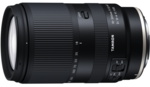
The Nikon NIKKOR Z 24-70mm f/2.8 S II lens has become one of the most practical tools for anyone shooting weddings. The flexibility of a zoom makes it possible to move quickly between wide establishing shots and tighter portraits without juggling multiple lenses, which is critical when working in fast-paced, unpredictable environments.
Coming to you from Taylor Jackson, this thoughtful video shows how the second version of the 24-70mm f/2.8 improves on the original. The first-generation Z lens was already popular, but Jackson points out that the autofocus performance on the new model is far more consistent when zooming. In the past, you might lose focus briefly while pulling in tighter, which made clips feel less polished. With this upgrade, the focus locks on and stays there, something you’ll notice immediately when reviewing footage. For wedding work, where moments happen once and can’t be repeated, that stability matters.
This lens isn’t only about better focus. The design changes also affect how you can use it in practical situations. The internal zoom keeps the balance steady, which is especially helpful if you mount the camera on a gimbal. Small differences like this mean less time rebalancing and more time actually capturing the event. The lens also weighs less than the original and uses a 77mm filter thread instead of 82mm, which keeps accessories like ND filters more affordable. Even details such as the click on/off aperture option and a conveniently placed autofocus/manual focus switch make the experience of filming smoother.
Key Specs
-
Focal Length: 24 to 70mm
-
Maximum Aperture: f/2.8
-
Minimum Aperture: f/22
-
Lens Mount: Nikon Z
-
Format Coverage: Full-Frame
-
Minimum Focus Distance: 9.4" (Wide) to 1.1' (Tele)
-
Magnification: 0.32x, 1:3 macro ratio
-
Optical Design: 14 elements in 10 groups
-
Aperture Blades: 11, rounded
-
Focus: Autofocus
-
Image Stabilization: None
-
Filter Size: 77mm
-
Dimensions: 3.5 x 5.9 in / 90 x 150 mm
-
Weight: 1.5 lb / 675 g
Jackson also emphasizes how well the lens handles difficult lighting. Shooting in direct sun or dim venues usually exposes the flaws of a lens quickly: fringing, loss of contrast, or an image that just feels cheap. The new coating and optical design deliver cleaner results, and it’s clear in his side-by-side comparisons with the original version. For those used to primes, Jackson still relies on his 85mm f/1.8 for certain parts of a wedding, but the 24-70mm now covers far more of the day with confidence. Check out the video above for the full rundown from Jackson.