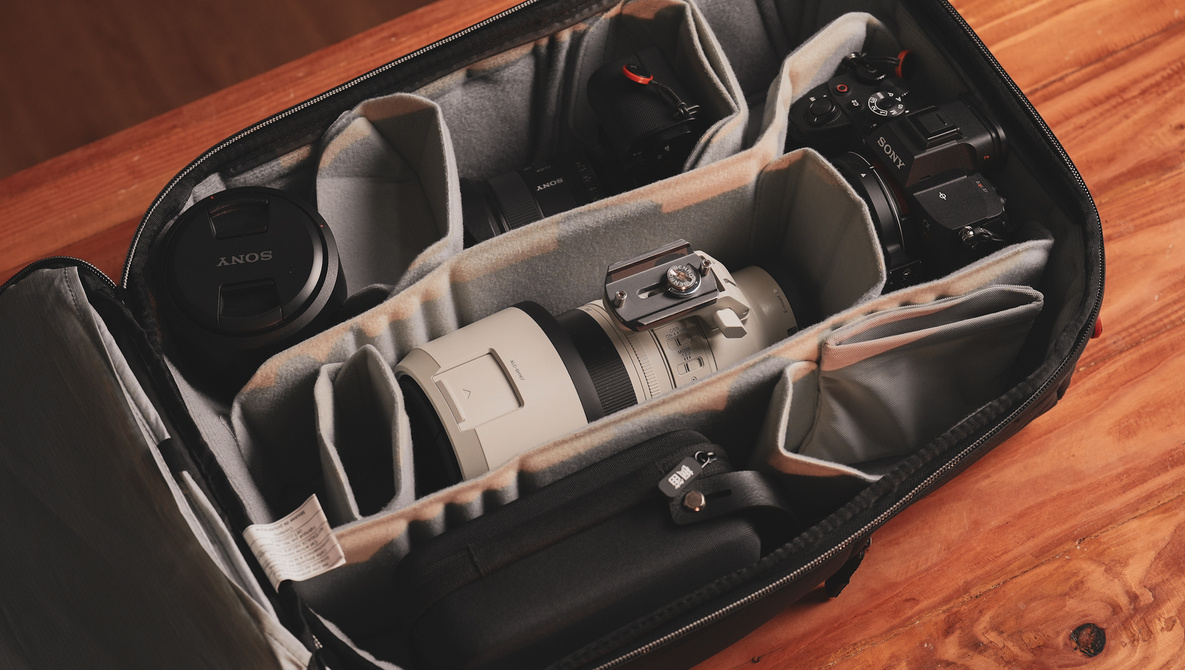
Specs aren’t everything. There are factors beyond what we can see in spec sheets that matter more when it comes to choosing gear, and we should always keep them in mind.
Let’s face it. If you’re here reading this, then you probably engage in conversations about camera gear more than the next guy, and there’s absolutely nothing wrong with that. Experienced photographers tend to dive a little deeper into the technicalities of what they do and the tools they use, especially when the goal is to improve the output and/or make the process more efficient and foolproof. However, it’s hard to deny that many of our conversations and online interactions about cameras, lenses, tripods, lights, etc., can get quite lost in a difference of perspective and miscommunication. At the same time, how we talk about camera gear can be misleading to people who are genuinely looking for valuable insight into tools that will suit their needs. There will always be differences in how we all see our gear, and most of the time those differences are at least one of these.
While not limited to three, here are (at least in my opinion) three very important factors that we should always consider when choosing camera gear that are commonly forgotten.
1. Purpose
While ridiculously obvious, you can’t imagine how many times people tend to forget to take a certain piece of gear’s purpose into consideration. The most practical approach would, of course, be to acquire new gear based on what best fits your needs; however, there are instances where style, specs, or even trends overshadow the value of use case in the conversation.
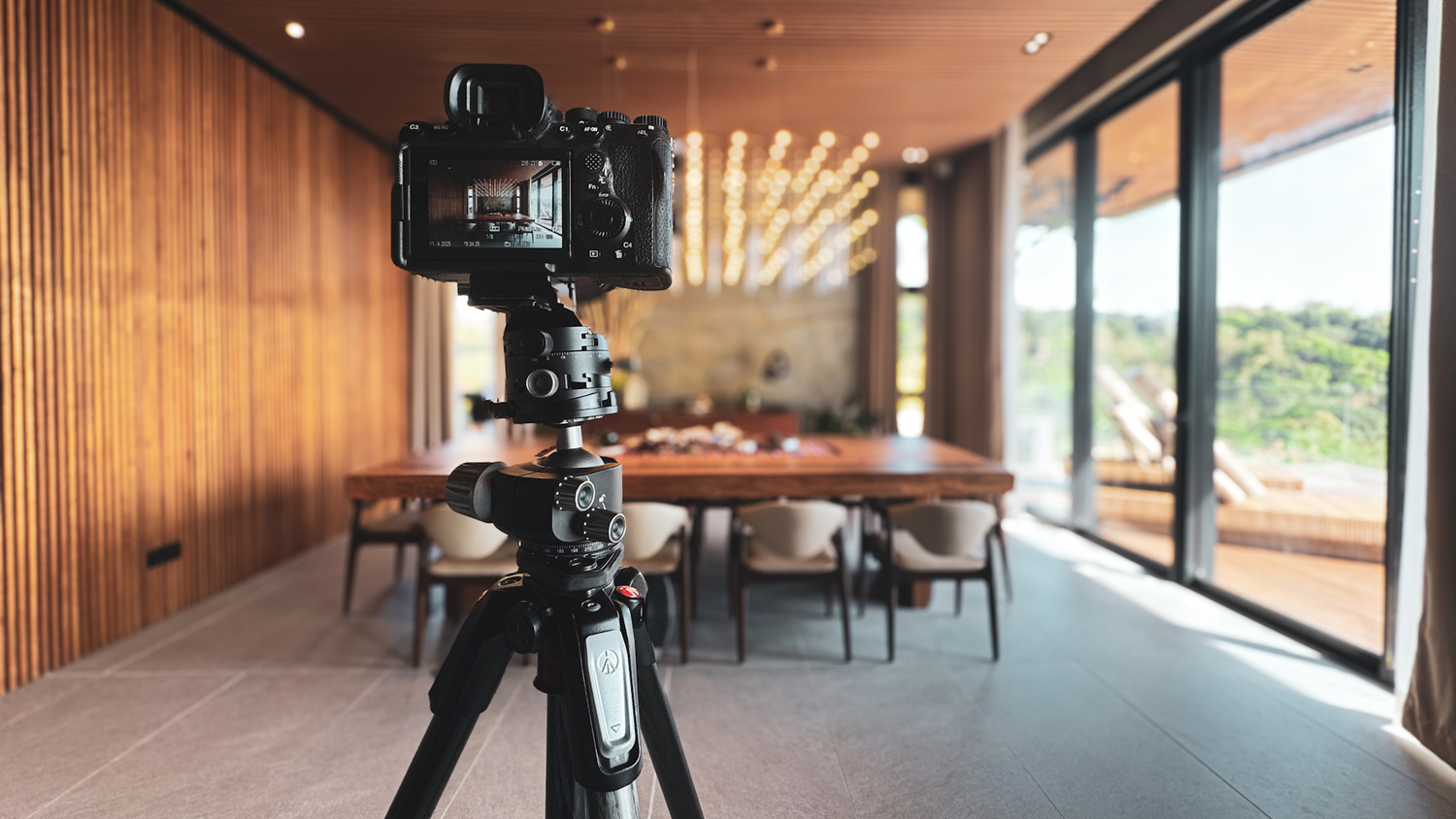
Whenever a new camera or lens is announced, the most accessible information about it would always be the specifications. For cameras, these could be resolution, focusing speed, dynamic range, as well as the physical attributes of the product. It’s undeniable that there have been many instances when a product looked way better on paper than how it actually performed in real life.
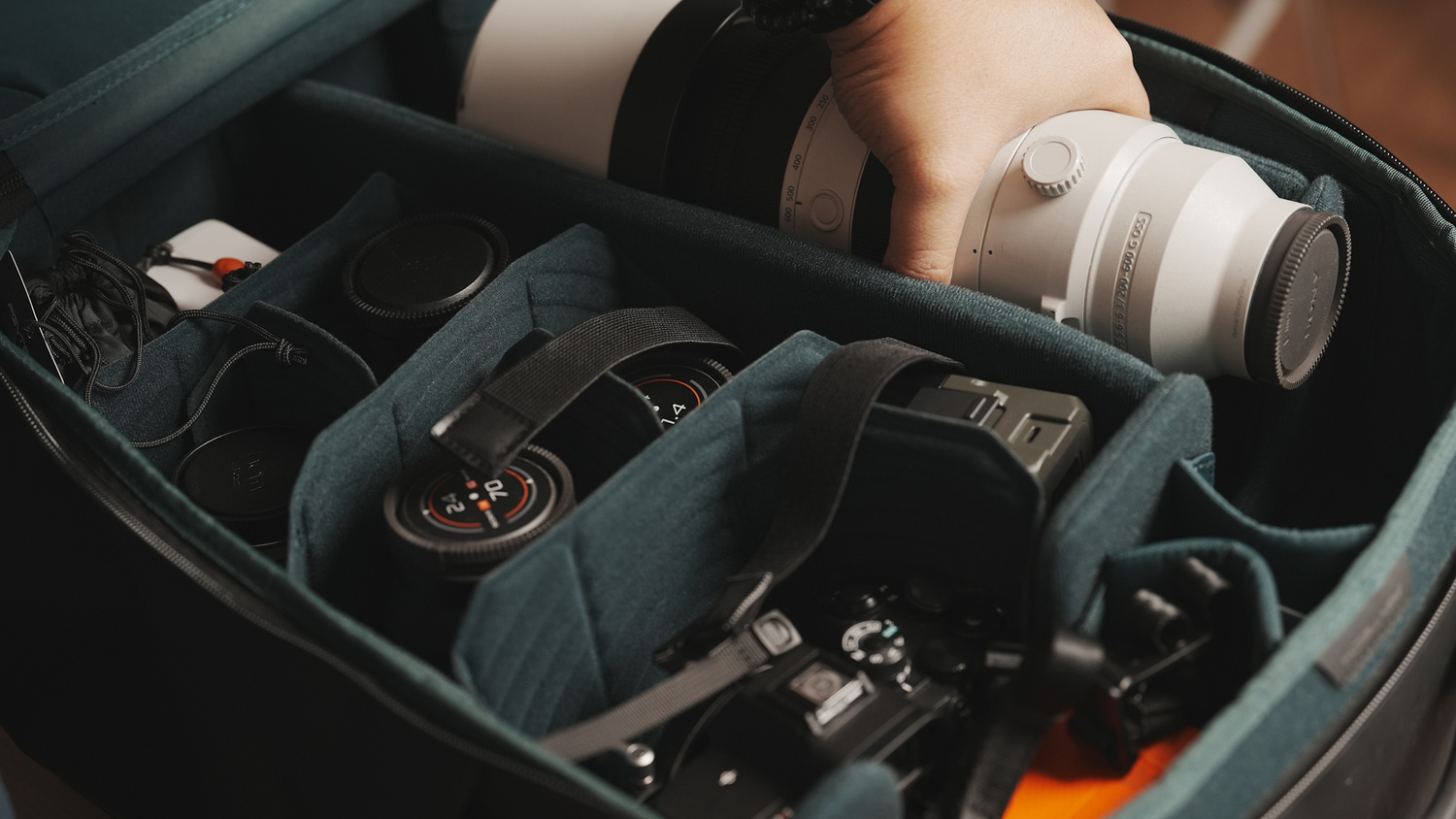
It’s also undeniable that social media tends to overhype products for the sake of marketing. If we played a drinking game every time the word “best” is used in a lot of product review videos (even on the most minimally impressive products), we’d probably get drunk before the mid-roll ad even plays. It’s important to remember that there’s no such thing as the best camera or lens or even tripod or bag if context is not part of the equation. The best camera for sports photographers is probably not the best camera for landscape photographers. The best camera for videographers is probably not the best camera for wildlife photographers. We can only ever rank camera gear based on how it performs for specific use cases, and even then, there would still be a lot to debate about.
Before choosing camera gear for yourself, always consider how its features and specifications would benefit the specific kind of work that you do. Think of how it can improve or impede your workflow and if any of the benefits have trade-offs. See how it goes together with other pieces of gear in your bag and if it plays a role that has a net positive benefit overall.
2. Ergonomics
In the same way that purpose greatly affects suitability, the size, weight, and bulk of a certain piece of gear and all of their implications bear so much weight on how well it can perform for certain tasks. It’s important to remember that photography is both a physical and a creative task. Depending on the kind of photography that you do, some workflows are way more physical than others, to the extent that the actual part of pressing the shutter button is the easiest part of the endeavor.
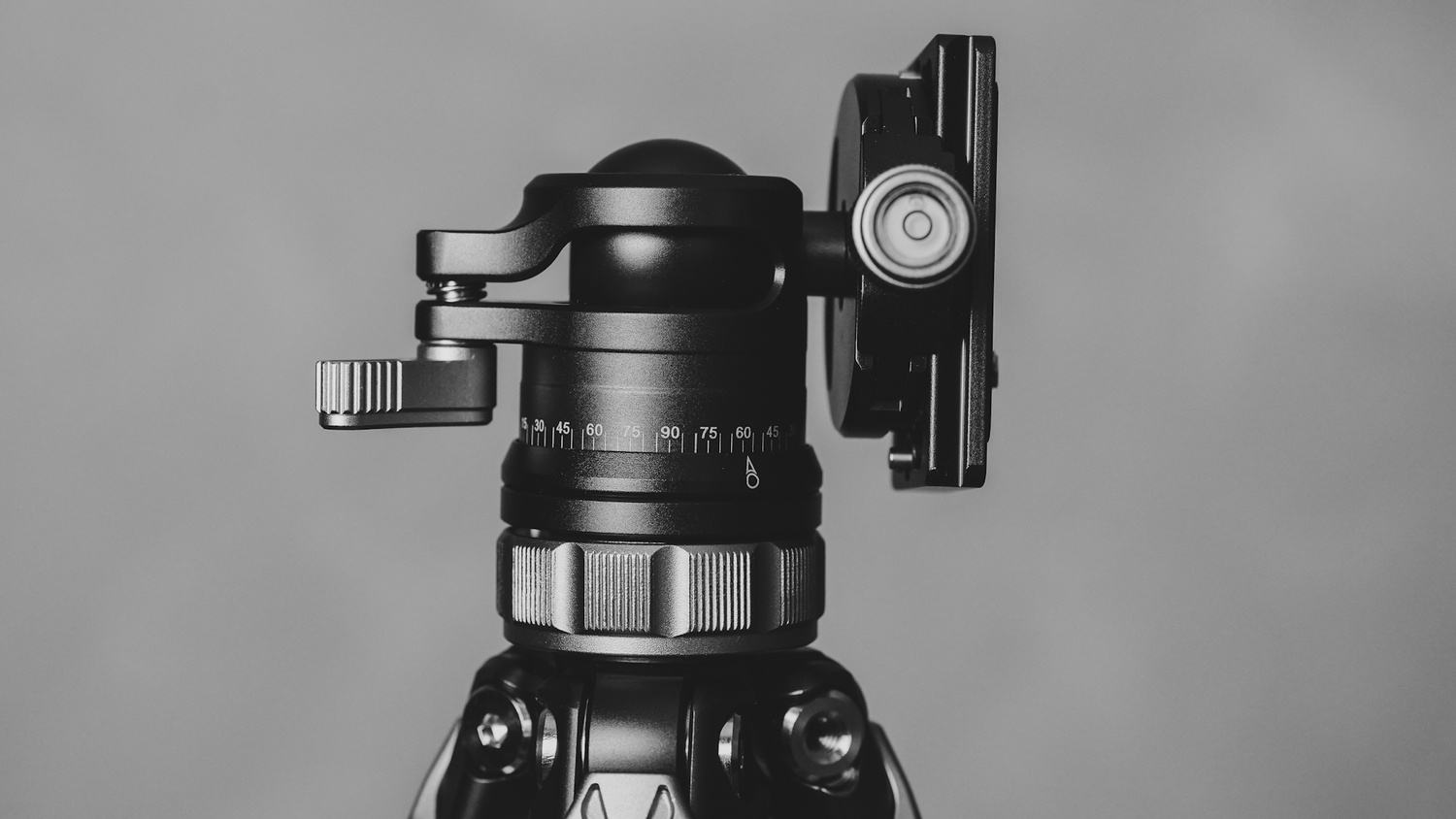
While a certain camera or lens can have the best performance with the highest resolution, the sharpest optics, and the fastest autofocus, these things might become trivial or even canceled out when their size and weight become a huge hindrance to the physical aspect of the task. A flagship camera with the nicest lens might offer categorically better image quality, but carrying them on your back for an 8-hour hike can also tire you out and be a significant distraction once you reach the vantage point and start taking photos.
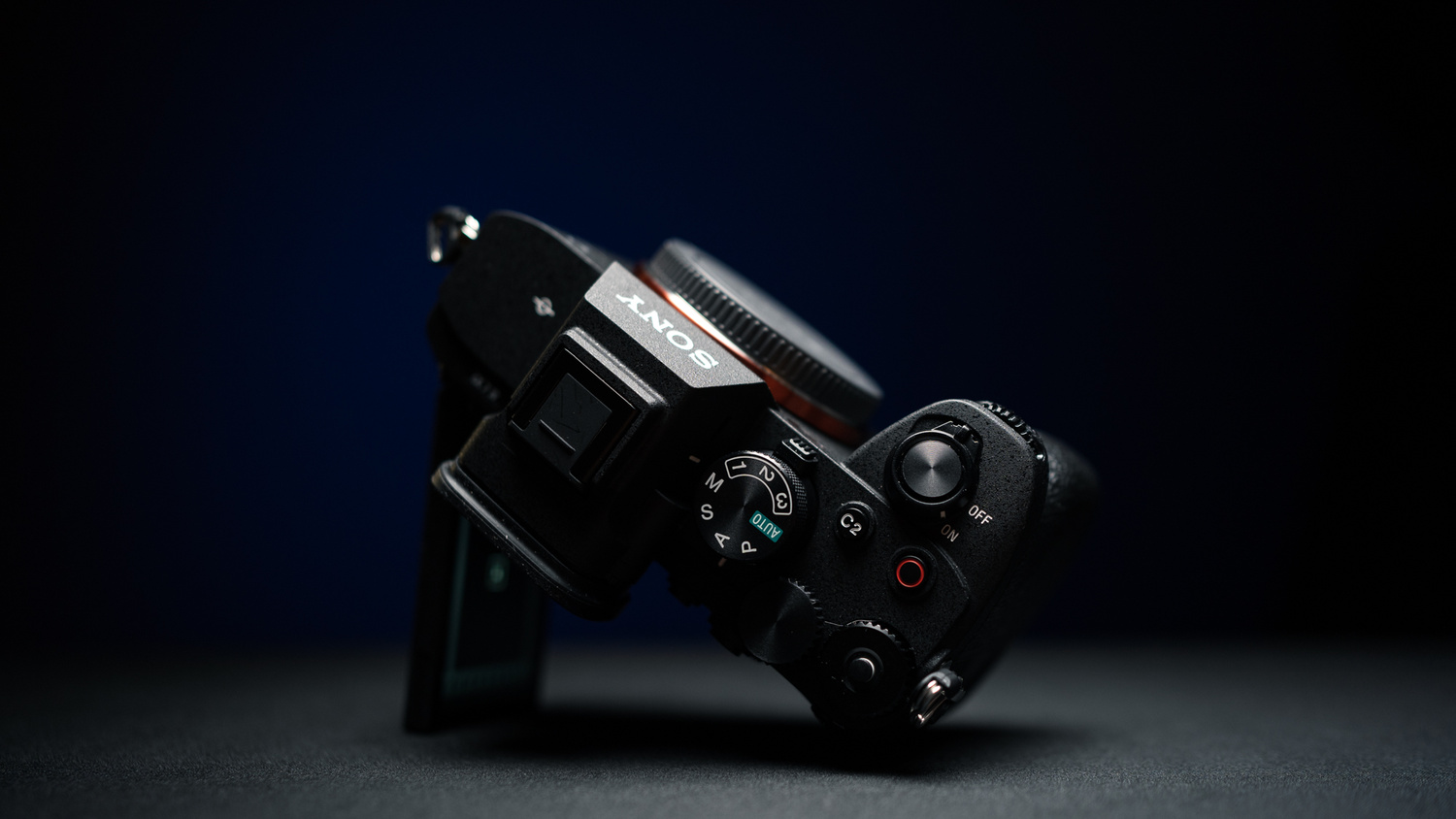
While we all probably prefer the best output with the best image quality, it is important to acknowledge that sometimes, a step down to a more portable or more efficient piece of gear can be more empowering to the user. Comfort and efficiency allow us to preserve our energy and keep us in optimal shape (physically and psychologically) to focus on the creative aspect of the task.
3. Preference
Amidst all of the other factors, it is undeniable that at the end of the day it is our preferences and even biases that will take the stage. When someone is undecided about a couple of options, whenever possible, it is always best to take the camera, lens, or whatever accessory for a spin. If you’re able to test it out in real shooting scenarios or at the very least emulate the process, it would give you the most valuable piece of insight you can ever get.
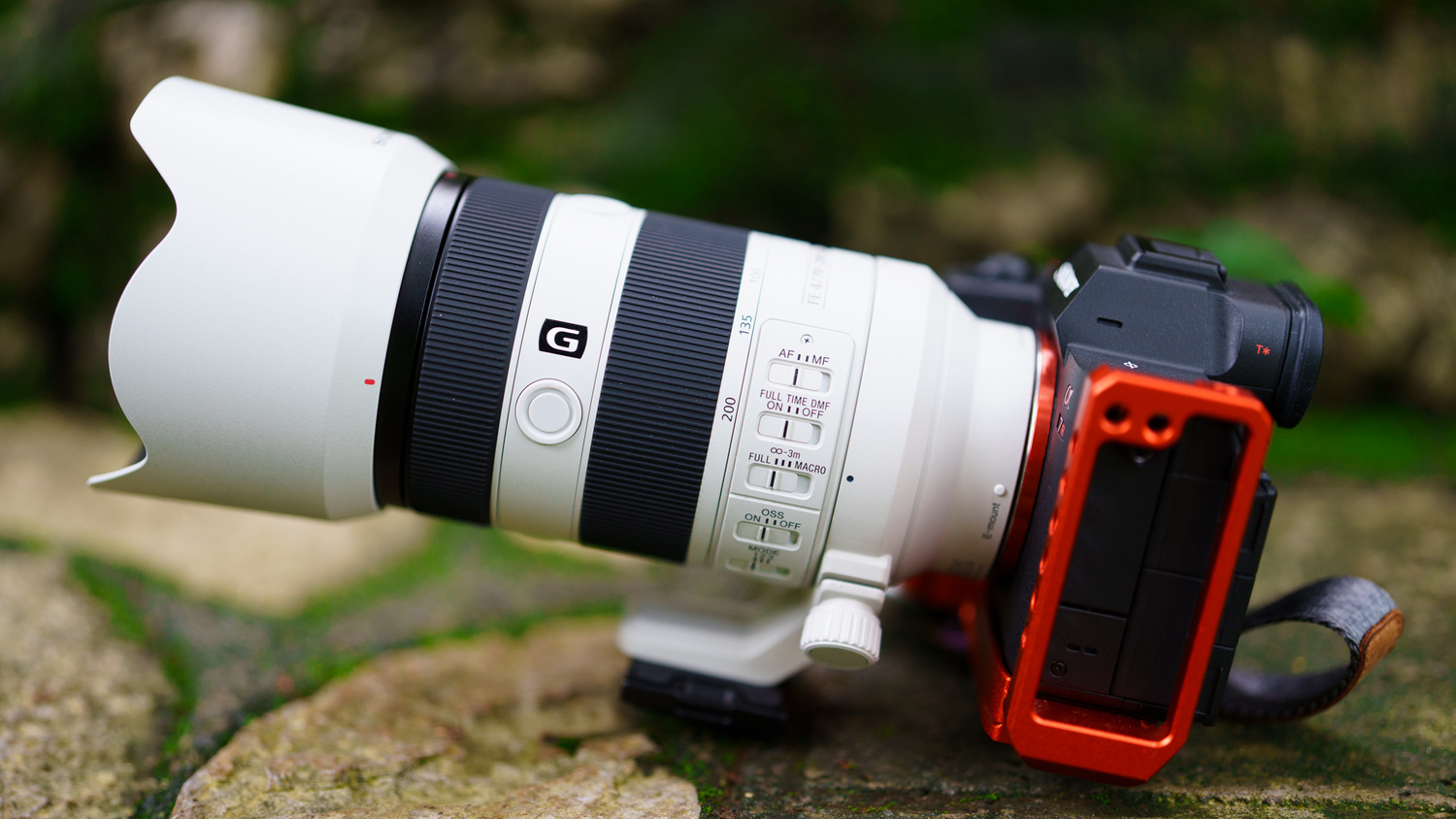
Personally, before I decided to shift to the camera system that I currently use, it was initially the size of the gear that got me interested (because I was still using DSLR gear at the time). But what eventually led me to sell all my cameras and lenses to migrate to an entirely different system was when I was able to inspect and process the raw images that I took with the new camera I was considering. Once I saw that the images were more flexible with the kind of processing that I do, it became a very easy decision despite the financial aspect involved.
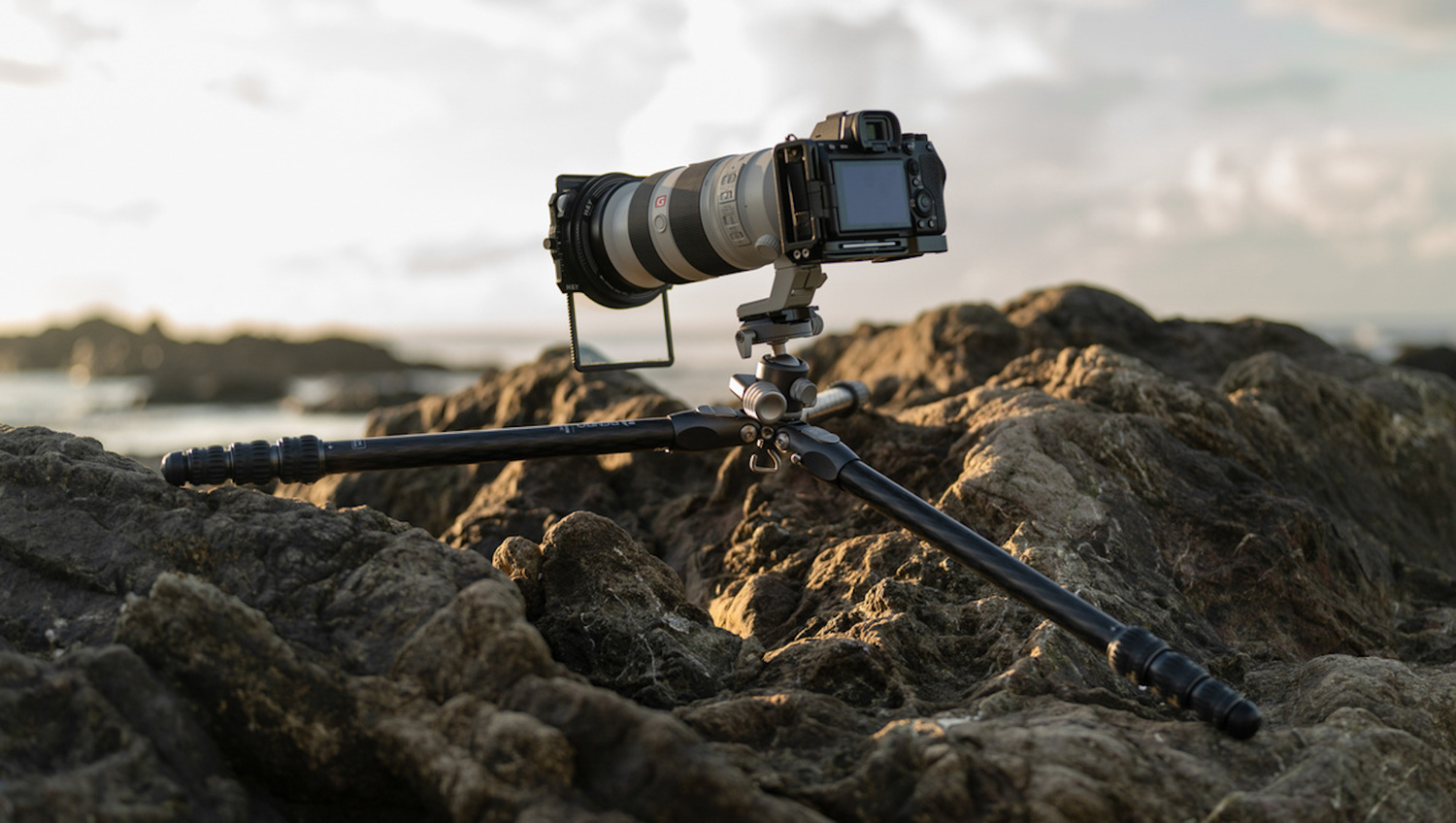
On the other hand, a scenario that most of us are probably more familiar with would be whenever we talk about gear online in forums and comment sections. Comments can be very insightful when someone offers ideas stemming from their own learnings and experience in a specific context that other photographers might be able to apply to their own workflow. However, it is crucial that for us to have these meaningful conversations, we should remember to respect each other’s opinions and preferences. While we are encouraged to give our opinion about certain cameras, creative approaches, or even entire bodies of work, sharing opinion is entirely different from imposing your own onto others. What works for you might not work for them, and regardless of that, they may prefer not to go the same route.
Remember that the gear we use is just tools that allow us to turn our creative ideas into actual images. Our choices in gear should depend on what works, what is efficient, and what allows us to be comfortable in performing the task. There’s no such thing as a single “best” camera or lens in this diverse industry. Many seasoned photographers love the saying, “The best camera is the one that’s in your hands.” More importantly, the best one is that which you know best how to use, the one that you’re most comfortable using, and the one that will most easily get the job done. It’s important to remember that we all have different methods and styles when it comes to shooting and gear choices, which is why we have to respect our differences in opinion and preferences as well.



Useful functions: I usually buy a new body because it has features that that are really useful and I use a lot. On the latest Z6 III, that would include auto ISO, highlight matrix metering, auto bracketing, focus peaking, pre release, and selecting FX of DX with the push of a pre-programmed button. These are all truly beneficial functions and aren't mentioned enough. These make a body a step above.
If Van Gogh, Dali and Rembrandt were alive today, they would probably have an online discussion about brushes
And, perhaps more so, about the paints themselves. Where and how pigments are sourced, the longevity of various pigment options, etc.
Nicco wrote:
"The most practical approach would, of course, be to acquire new gear based on what best fits your needs ..... "
Yes, I agree.
I don't like spending money on cameras or lenses at all. Gear is not fun or exciting. It is just a tool. A camera or a lens is a tool to a photographer in the same way a pipe wrench is a tool to the plumber, or that a wheelbarrow is a tool for the landscaper. There is nothing more special or more personal about a camera, no matter how people feel, it really is just a tool with a function to perform.
For me, the only reason to acquire new gear is because there are images that I want to make that I can't make with the gear I already have.
For example, I want to take frame-filling images of a rattlesnake's eye. But I can't get as close as I need to get for that with my existing gear. Partly because the snake's eye is so tiny and I can't get enough magnification with my macro lens, extension tube, and tele-extender. Even with all those optical accessories, I still can't focus close enough to REALLY fill the sensor with the eye itself. Also, the fact that rattlesnakes are highly venomous keeps me from getting close enough for the shots I want. I mean even if my optics were macro enough, my fingers would need to be about an inch and a half from the snake's head, and that is just way way way too dangerous. Hence, I want a Macro Probe lens so that I can capture these particular images. I do not think that Macro Probe lenses are cool. It would not be "fun" to buy one. But having one would enable me to get the types of images I want, and the images themselves are fun and fulfilling.
I would also like to make more images of birds in flight, but my current camera bodies do not autofocus well enough when combined with the slow 3rd party lens that I am using. So getting a fast telephoto that autofocuses rapidly and responsively, or upgrading from DSLRs to mirrorless, would enable me to capture many of the flight shots that I am currently not able to capture, and it would be so great to be able to make those types of images.
So you see I really have zero interest in gear. I am only interested in the images that the gear will enable me to capture. Hence, I only buy gear with a specific purpose in mind. This ensures that I never buy gear that I don't end up using. Any gear that I buy meets a very real need and is put to good use.
Of course people should stop arguing over camera gear but across social media gear obsession is rife and this site certainly encourages it with plenty of articles telling us what gear we must own and arguments over film vs digital, lens character or sensor sizes as a few examples.
Lets face it, we can all own whatever gear we like and can afford but if our photographs are mediocre then all this obsession over gear is just meaningless anyway. For me, I only get excited when I end up with some photos I think good enough to add to my portfolio. It's never about owning new gear or needing the 'right' gear to give me the enthusiasm to venture out and take photographs. For example I couldn't care less if Fujifilm cameras look retro and supposedly encourage people to get excited as I'll take out my 'soulless' Sony camera and get exited about new photo opportunities.
The only important thing is to have good chinos.
And a shirt pocket pen holder for all the numbers you will write to the ladies. Neeerds!