Spec sheets can look like alphabet soup—ED, ASPH, OIS, STM, USM, MFD, 0.5×—but each line quietly predicts how a lens will behave on a job. This guide strips out the marketing and shows you what matters, why it matters, and how to make smarter buys from your desk. No test charts needed; just practical translation from spec to outcome.
Focal Length
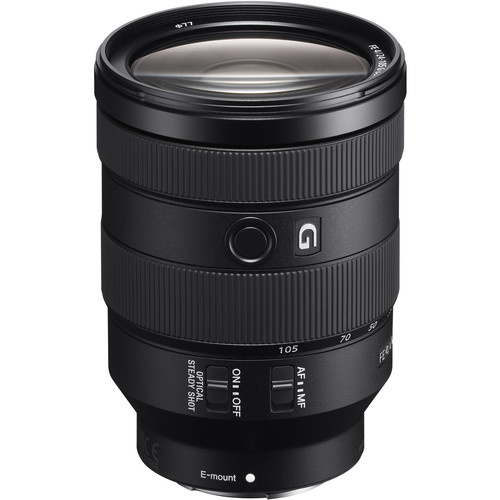
What it is: Focal length (e.g., 35mm or 24–105mm) describes a lens’s magnification. Field of view changes with sensor size, so a 35mm on full frame is wider than the same 35mm on APS-C or Micro Four Thirds.
Why it matters: Perspective is set by where you stand; focal length trims the frame from that position. Small rooms and environmental portraits often live at 28–35mm. Headshots look natural at 85–105mm. On APS-C, multiply by approximately 1.5; on Micro Four Thirds, by 2.
Buyer Heuristics
-
Tight rooms, groups of people: 28–35mm (approximately 18–24mm APS-C).
-
Headshots: 85–105mm (about 56–70mm APS-C).
-
One-lens travel: 24–105mm or 24–120mm.
Maximum Aperture (f-number), Variable vs Constant
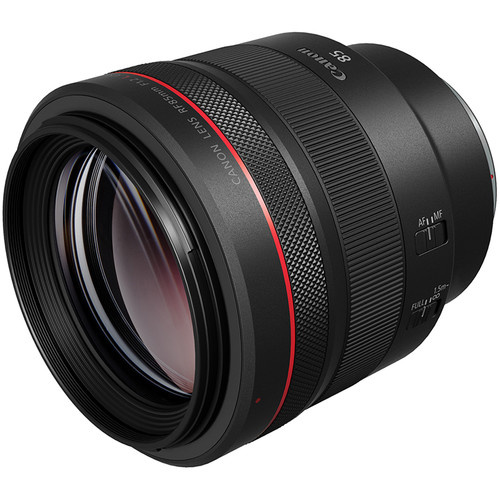
What it is: The smallest f-number is the widest aperture (f/1.8 lets in more light than f/4). Zooms are either constant (e.g., f/4 throughout) or variable (e.g., f/3.5–5.6, narrows as you zoom).
Why it matters: Wider apertures gather more light and blur backgrounds, but add cost and weight. Constant-aperture zooms keep exposure stable and predictable as you change focal lengths. With modern stabilization and clean high-ISO, an f/4 zoom often beats an f/2.8 for carry comfort and consistency.
 Buyer Heuristics
-
Events: f/2.8 zooms help you handle challenging light
-
Travel and landscapes: f/4 will save weight and cost
-
Low-light isolation: add a fast prime (f/1.8–f/1.4) rather than hauling multiple f/2.8 zooms.
A bit deeper: Variable-aperture zooms are fine for stills, but you’ll need to compensate as you zoom. The practical trade is speed vs stamina: if heavy glass makes you shoot less or hold worse posture, the extra stop on paper won’t show up in your gallery.
Pitfalls and tips: Shallow depth of field is not a cure-all. Use f/2–f/2.8 strategically for separation, then live around f/4–f/5.6 for clean features and easier focus. Let a single fast prime cover “look” shots; let the zoom cover “everything else.”
T-Stop vs f-stop
What it is: f-stop is geometry. T-stop is measured light transmission after glass losses (common on cine lenses).
Why it matters: Two f/2.8 lenses may expose differently. T-numbers make multi-camera exposure matching easier.
Buyer Heuristics
-
Stills: f-stops are fine. Don't worry about T-stops.
-
Multi-cam video: prefer published T-stops or plan a quick check.
A bit deeper: Transmission differences are usually small, but under mixed-brand lens sets, they add up. If you routinely shoot multi-cam interviews or events, knowing that “T2.9” across a set behaves consistently saves time and prevents micro-exposure drifts that make grading tedious.
Pitfalls and tips: Don’t assume a lens is “darker” because of T vs f alone—coatings, sensor microlenses, and metering behavior also play. Build a habit: when you change lenses on a multi-cam job, white-balance and check exposure on a gray card once. It’s a 20-second fix that saves hours later.
Close Focus (MFD) and Maximum Magnification (Reproduction Ratio)
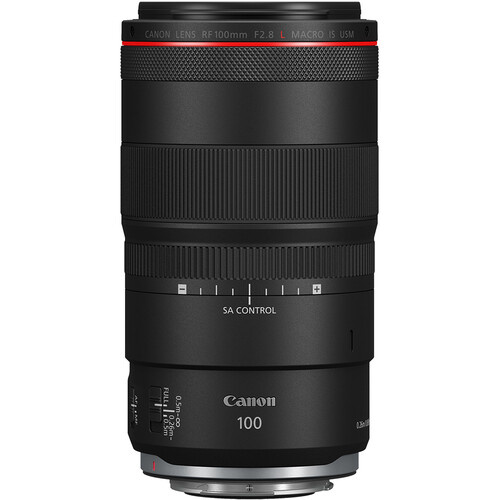
What it is: MFD (minimum focus distance) is minimum distance the lens can focus from the sensor plane. Max magnification (e.g., 0.5×) indicates subject size on the sensor (1.0× = life-size).
Why it matters: A zoom with 0.3–0.5× at the long end can “fake macro” for rings, plates, or product details.
Buyer Heuristics
-
Details/product/food: prioritize 0.3×–0.5×.
-
True macro: 1.0× at at least 90mm for comfortable working distance.
A bit deeper: Close-focusing lenses are more versatile, as they can operate normally, then get in close for extra shots. It's like having two lenses in one.
Image Stabilization (OIS/IS/VR) vs IBIS
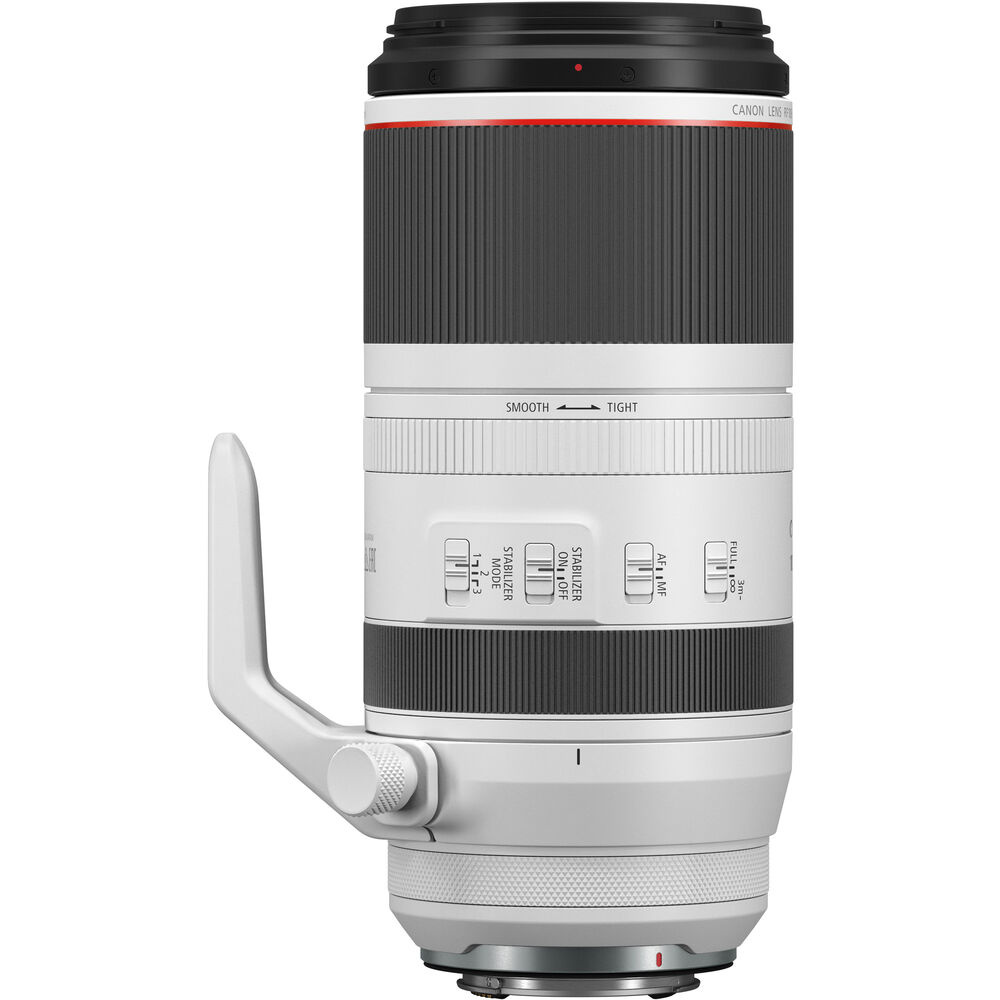
What it is: OIS/IS/VR moves lens elements; IBIS moves the sensor. Specs claim “up to X stops.”
Why it matters: Stabilization allows you to use slower shutter speeds, increasing the quality of your images by allowing you to use a lower ISO.
Buyer Heuristics
-
200mm+: prioritize lenses with OIS and a panning/sport mode.
-
Wide/normal primes: IBIS alone often suffices.
A bit deeper: In addition to image quality, a stable viewfinder helps you place AF precisely, compose confidently, and deliver more consistent frames. For panning, dedicated “Mode 2/3/Sport” variants avoid fighting your intentional motion.
Pitfalls and tips: Stabilization can’t freeze a moving subject; only shutter speed does that. On tripods, some systems prefer stabilization off to avoid feedback loops; check your manual and test once.
Autofocus Drive (Linear, STM, USM/HSM/LM, Screw Drive)
What it is: Motor type dictates speed, smoothness, and noise.
Why it matters: For video, quiet and smooth beats raw speed. For wildlife/sports, initial lock and tracking matter most.
Buyer Heuristics
-
Interviews/B-roll: linear or STM.
-
Action: linear/USM and a focus limiter switch.
A bit deeper: The best AF in the world still benefits from good contrast and clean edges. Lenses with snappy motors feel twice as capable when you feed them subjects with clear geometry. Linear motors also tend to stop exactly where the body tells them—less “bouncy” overshoot, which helps eye detect feel crisp.
Pitfalls and tips: Noisy drives can ruin ambient audio; keep that in mind for video.
Focus Limiter, Focus Hold, and Lens Buttons
What it is: A limiter restricts AF to a distance band, focus hold freezes focus, custom buttons can change AF behavior.
Why it matters: Limiters erase hunting at telephoto and macro distances. Mapped buttons save time and keep your eye in the finder.
Buyer Heuristics
-
On tele/macro lenses, lack of a limiter is a red flag.
A bit deeper: A limiter is a quiet superpower in dim rooms or busy backgrounds. If your tele lens no longer tries to search from infinity to minimum, lock-on feels instant. Assign lens or camera buttons to “subject toggle” or “eye detect on/off” and you can adapt in half a second without menu diving.
Pitfalls and tips: Remember to turn the limiter off before packing away or switching genres, or you’ll wonder why AF won’t lock on to near subjects later.
Internal Focus/Zoom
What it is: Internal focus/zoom keeps the barrel length constant.
Why it matters: Internal designs are kinder to gimbals, weather, and balance.
Buyer Heuristics
-
If you shoot a lot of video, you'll probably want internal mechanics.
A bit deeper: Extending designs aren’t automatically “bad”; modern sealing is excellent. But if you mount on a gimbal or shoot in dust/spray, the stability of an internal design is tangible.
Filter Thread Size
What it is: Filter size dictates cost and compatibility.
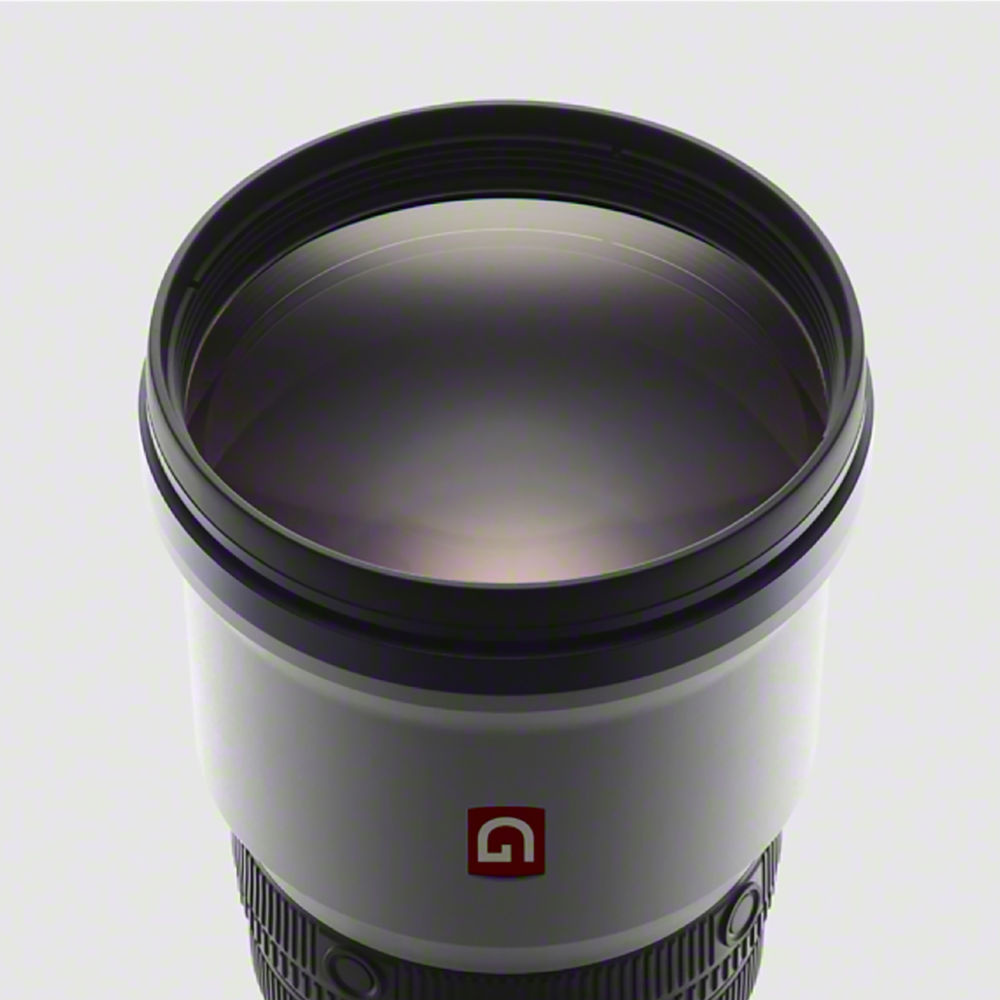
Why it matters: Unified filter threads mean one great ND/CPL set instead of four mediocre ones. It also means your carry less.
Buyer Heuristics
- Most creators outside landscape photographers and video shooters don't use filters that often. Don't let filter size guide your purchases unless you use them frequently.
A bit deeper: On filters, standardizing saves money and mental overhead—your hands learn one thread and one set of caps.
Pitfalls and tips: Huge filter sizes (82mm, 95mm) drastically raise costs. If two lenses are optically similar, the one that shares 67mm or 77mm with your kit is the smarter buy long term.
Weather-Sealing, Coatings, and Fluorine
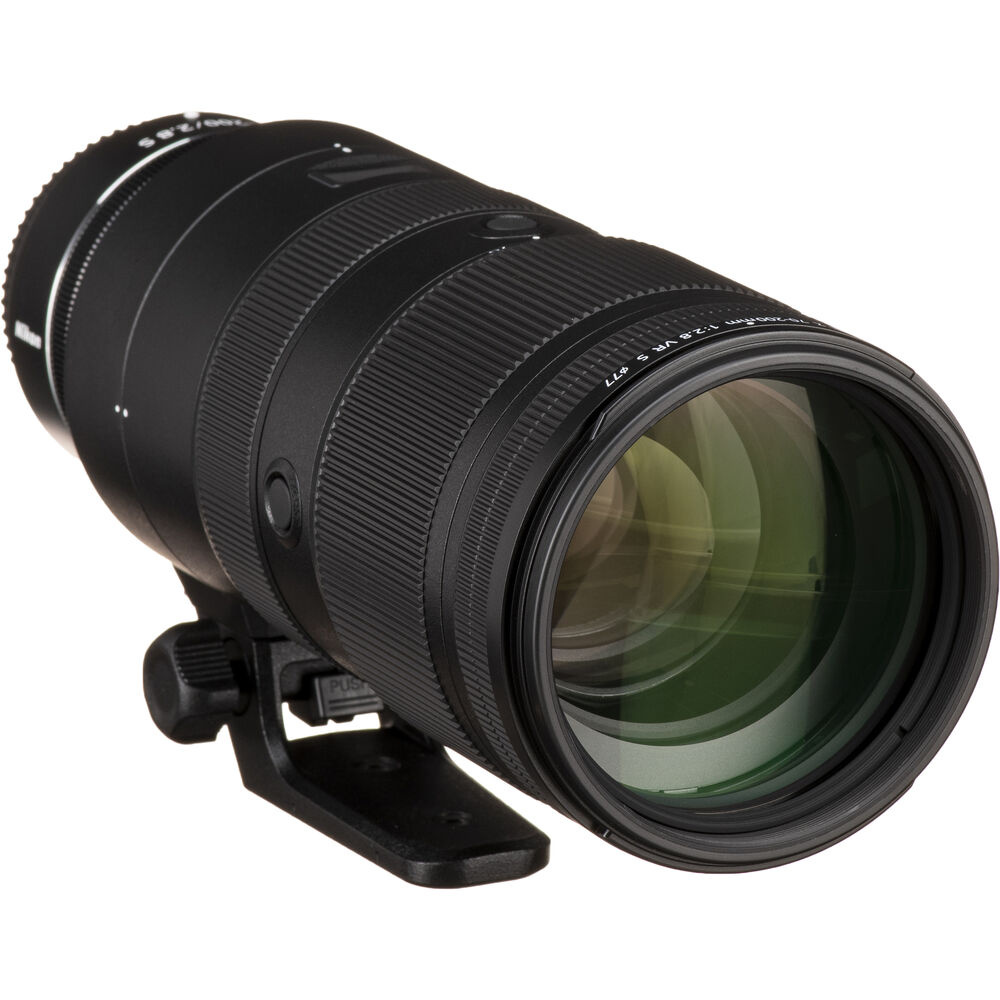
What it is: Gaskets at mount/rings resist dust and moisture. Coatings fight flare, maintain contrast, and ease cleaning. Fluorine sheds oils.
Why it matters: Real sealing and a hood survives drizzle and spray. Coatings preserve contrast around point lights. Fluorine makes quick cleans safer and faster.
Buyer Heuristic
- Almost all modern lenses have at least decent coatings. If you shoot outside a lot, get a weather-sealed lens for the peace of mind.
A bit deeper: Sealing buys time, not invincibility. Rain covers and smart habits prevent more failures than any toughness badge. Coating quality shows up when you aim near lamps or the sun: better coatings hold contrast that makes files beautiful.
Pitfalls and tips: Don’t confuse “weather-resistant” with “weather-sealed.” If you feel grit in a focus ring, stop and clean; grinding it in is how lenses die.
Weight
What it is: Physical specs affect fatigue and stability.
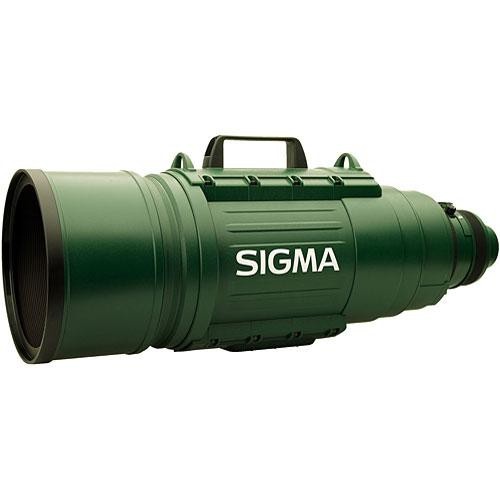
Why it matters: If you're carrying lenses for long distances or times, that weight adds up and fatigue sets in.
Buyer Heuristics
- A lighter lens that you carry everywhere is better than a heavier one you leave at home.
A bit deeper: Weight on paper hides how a lens balances. A slightly heavier lens that sits closer to the body can feel lighter in hand. Collars let you pivot from landscape to portrait without torquing the mount, which is crucial on long glass.
Focus Breathing
What it is: Field of view changes as you rack focus.
Why it matters: Big for video pulls; mostly irrelevant for stills.
Buyer Heuristics
- No shortcuts here. Do your research by reading reviews and checking sample footage.
A bit deeper: Breathing becomes obvious in interviews when you pull focus from foreground to background and the frame “zooms.” Some modern bodies offer breathing compensation by cropping slightly as you rack. It's helpful, but with a resolution cost.
Pitfalls and tips: For stills, you don't need to prioritize this.
Parfocal vs Varifocal
What it is: Parfocal zooms hold focus while zooming; varifocal need refocus.
Why it matters: Critical for video zoom moves. Stills AF reacquires between frames, so varifocal is fine.
A bit deeper: Many photo zooms are “close to parfocal” in practice—good enough for gentle zooms if your subject distance doesn’t change much. True parfocal designs cost more and are heavier because they’re tuned to maintain focus through the range.
Pitfalls and tips: Don't waste your money on a parfocal lens just for stills work. It's pretty much only needed for video work.
Optical Alphabet: ED, Super ED, FL, ASPH, “Nano,” “HD,” Etc.
What it is: Special glass design and coatings that tame aberrations and flare.
Why it matters: Better designs reduce color fringing (CA), improve contrast, increase sharpness, and control backlit nastiness. Coatings help with point-light sparkle and cleaning.
A bit deeper: ED/FL elements are about controlling how colors focus; asphericals correct shapes so wide angles stay crisp. “Nano” or “HD” names vary by brand, but the outcome you see is fewer purple/green edges and nicer contrast in tough light.
Pitfalls and tips: Don’t shop by element count. A simpler design with excellent coatings can beat a complex one that’s poorly tuned. Look for outcomes in sample images: clean edges around bright highlights and consistent contrast across the frame.
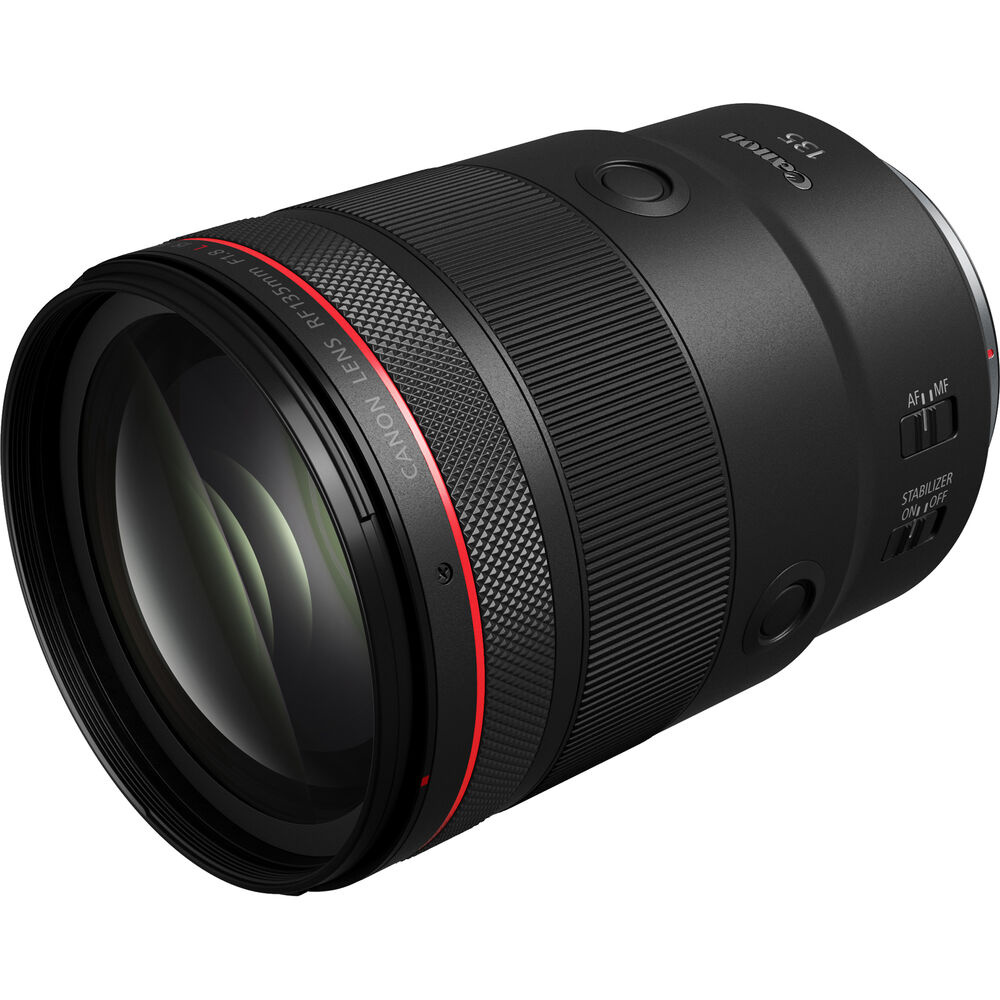
Aperture Blades and Bokeh Notes
What it is: Blade count/shape influence highlight roundness as you stop down.
Why it matters: Rounded 9-blade (or more) designs keep bokeh smoother at f/1.4–f/4, which matters for portraits and other shots where you want to isolate the subject.
Buyer Heuristics
- More aperture blades generally mean smoother bokeh.
A bit deeper: Blade shape also affects sunstars—fewer straight blades yield strong stars; more rounded blades give softer stars and rounder bokeh. Aspherical elements can introduce “onion ring” texture in highlights; good polishing minimizes it.
Pitfalls and tips: If background quality is mission-critical, look at slightly stopped-down samples, not just wide open. Many lenses look dreamy at f/1.8 but get polygonal at f/2.8 if blade design is poor.
Compatibility: Teleconverters, Breathing Compensation, In-Camera Corrections
What it is: Official support for 1.4×/2.0× teleconverters, breathing compensation, and distortion/vignette profiles.
Why it matters: Official TC support usually preserves AF and metering. In-camera corrections make previews truthful and are useful if you shoot JPEG.
A bit deeper: A lens designed for TCs often maintains decent sharpness and AF with a 1.4× attached, which can be better than cropping for distant subjects. Breathing compensation is a video feature; for stills, it doesn’t matter.
Pitfalls and tips: “Works physically” does not mean “works well.” If reach and performance matter, use a first-party teleconverter. If you shoot JPEG or video, make sure in-camera profiles exist so you aren’t battling distortion later.
Physical Controls: Aperture Ring, Click/De-Click, Focus Throw
What it is: Tactile controls that speed operation and increase repeatability.
Why it matters: An aperture ring avoids menu dives; de-clicking helps video exposure changes. Long focus throw makes manual focusing easier and more precise.
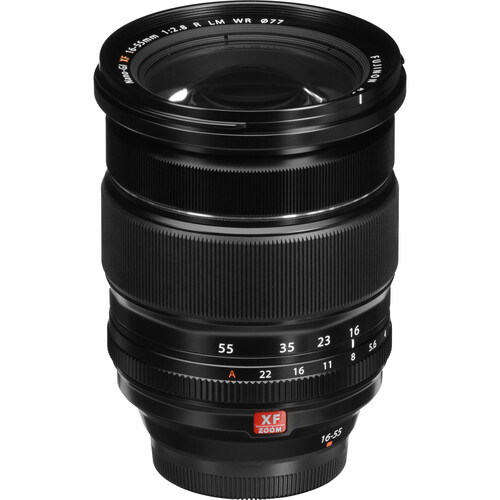
A bit deeper: Good haptics reduce cognitive load. When the ring “tells” your fingers where you are, you spend more brainpower on expression and background cleanup. Long focus throws aid macro and portrait work; shorter throws feel faster.
Pitfalls and tips: Some “focus by wire” rings feel laggy; test responsiveness if manual focus matters. If you bump rings, look for lockable or adjustable tension controls.
Serviceability and Firmware
What it is: Parts availability, factory service, and update cadence.
Why it matters: A brilliant optic without parts can be a short-term rental. Firmware can improve AF logic, compatibility, and breathing compensation over time.
A bit deeper: Third-party makers with USB docks make updates painless; some OEMs push meaningful AF upgrades years later. Service networks matter when you travel, as turnaround times differ wildly by brand and region.
Pitfalls and tips: Before buying used or obscure lenses, search for parts availability and service policies. A small savings today can become a costly paperweight if the focus unit fails and parts are discontinued.
One-Minute Lens Checklist Before You Buy
-
Coverage: Will the focal length(s) fit your rooms and subjects?
-
Aperture behavior: Maximum aperture and constant vs variable aligns with your lighting and video needs.
-
Close focus: 0.3×–0.5× for details, 1.0× for true macro.
-
Stabilization plan: OIS for tele, IBIS for wide/normal. How do they coordinate?
-
AF/controls: Motor type, limiter switch, and customizable buttons for your genre.
-
Sealing/coatings: Mount gasket, sealed rings, fluorine front, plus a good hood.
-
Weight/balance: Will you actually carry it? Collar/Arca foot if heavy.
-
Video quirks: Breathing, focus shift, parfocal claims—relevant to your work?
-
Filters: Can you standardize to one thread size across your kit?
-
Support: Service network, firmware updates, official TC compatibility.
Closing Thoughts
Spec sheets aren’t homework; they’re a forecast. Once you know what each line predicts in the field, you stop buying on hype and start buying on outcomes: steadier framing, faster focus, cleaner contrast, simpler post. If a spec improves your keeper rate or shortens your edit, it matters. If it doesn’t, it’s trivia.
Use the heuristics and run the checklist before you click “buy.” You’ll end up with a kit that carries lighter, shoots faster, and looks better without leaving your desk to find out.





I wish for two more lens specs that are not currently included on the published specs:
1: Vignette.
I wish that they would come up with a standardized way of quantifying the light fall-off in the corners of the frame, relative to the center of the frame, and then publish this along with all of the other specs for every lens. Personally, I HATE dark corners and edges and the overall vignette look is wretched to my sense of aesthetics. Unfortunately, editing software does NOT do the same quality job of correcting for lens vignette as we would get if the lens simply had no vignette in the first place.
2: Focus breathing.
The effects of focus breathing need to be quantified and published along with the other specs. They give us focal length at infinity focus. They should also be giving us effective focal length (angle of view) when focused at minimum focus distance. It is NOT OKAY if my 600mm lens becomes a 450mm lens when I focus on a bird just 10 feet away. How are we ever going to completely fill the frame with a bird if the lens "zooms out" as we get closer to the bird? It is like our lenses are fighting against us instead of working with us.
If these two characteristics of a lens were published along with the other standard specs, that would hopefully put pressure on manufacturers to do better when it comes to lens vignette and focus breathing. Because these specs are not currently listed, lensmakers are able to get away with cutting corners in these areas. And that is just wrong and greedy.