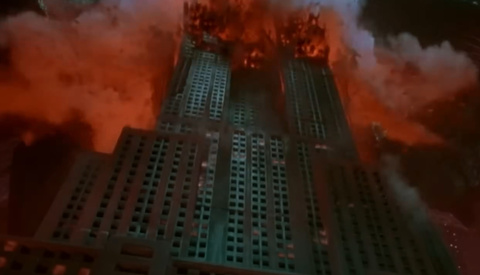
How Did These Classic Films Create Their Memorable Effects?
Floods swallowing cities, buildings set ablaze, and entire landscapes torn apart by quakes aren’t just about spectacle. Here's how these famous effects were made.
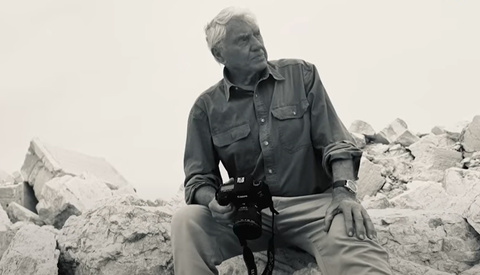
Few photographers have stared into the heart of conflict like Sir Don McCullin. For more than two decades, his black-and-white images defined what it meant to document war. Stark, empathetic portraits of soldiers, civilians, and refugees caught in the chaos of Vietnam, Cyprus, Biafra, and Northern Ireland with his unglamorous photographs. They were raw, human, and often unbearable to look at because they demanded that viewers confront the cost of violence.
The Nikon FE2 isn’t just another film camera sitting on a shelf. It’s one of those rare tools that carries history in its mechanics, a companion that shapes how you see the world through a viewfinder. Film cameras like this remind you that the way you shoot is often as important as the images you make.
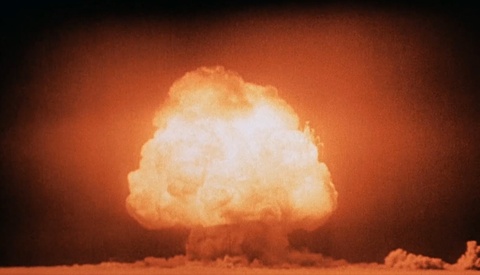
As a film manufacturer, Kodak’s role in America’s development of the atom bomb might seem unlikely. But this new book tells the story of how film manufacturers on both sides in WWII became integral to their nation’s war efforts, ushering in the age of nuclear weapons and the Cold War that followed.
When most photographers talk about extreme lenses, they're thinking about a fast 85mm f/1.4 or maybe an extra-wide 11mm rectilinear lens. But there's a whole other universe of optical madness where lenses weigh hundreds of pounds, cost more than houses, and push the boundaries of physics so hard they make normal photography look quaint.
The most valuable photographs you've ever taken weren't the ones you saw immediately on your camera's LCD screen. They were the ones you had to wait for—sometimes a week, sometimes longer—wondering if that perfect moment you thought you captured actually materialized on film. This isn't nostalgia talking; it's psychology, and understanding it reveals something profound about how we value images in an age where we take more photos in a day than our grandparents took in a year.
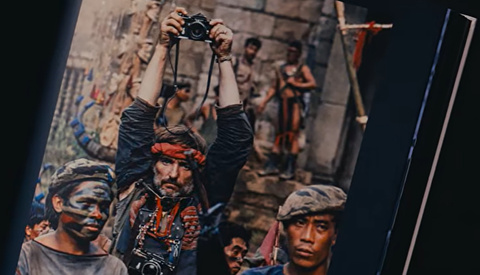
Renowned Dutch photojournalist Chas Gerretsen is best known for his raw and emotional war photography captured during the Vietnam War and the hostile and violent political turmoil in Chile. However, his career took an interesting turn when he found himself exhausted from covering global conflicts. This turn took him to Hollywood, where he would use his skills sharpened on the battlefield and bring them to the movie set of Francis Ford Coppola's 1979 film, Apocalypse Now.
The photography industry witnessed one of business history's most dramatic upheavals during the digital revolution. Companies that dominated film photography for generations found themselves unprepared for fundamental changes in how images were captured, processed, and shared. This transformation claimed several iconic brands, each offering distinct lessons about navigating technological disruption.
There's a lie we tell ourselves about photography equipment: that the camera doesn't matter. It's a comfortable fiction that lets us sleep at night, convinced that our artistic vision transcends mere machinery. But here's the uncomfortable truth that every photographer who lived through the transition from point-and-shoot to SLR knows deep in their bones: the moment you first wrapped your hands around a "real" camera, everything changed.
Every December, millions of American families would pile into their station wagons and head to Sears, JCPenney, or their local department store for an annual ritual as predictable as Black Friday sales: the family holiday portrait. What most people don't realize is that this seemingly mundane tradition fundamentally shaped modern portrait photography in ways that persist today, creating standards for lighting, posing, and customer experience that professional photographers still follow—often without realizing where these conventions originated.
Sarah clutched the yellow Kodak mailer envelope like it contained state secrets. Inside, a single roll of Kodak Gold 200—thirty-six exposures of her life over the past three weeks, wound tight in its metallic canister.
The photography industry has a short memory. Every few years, we collectively forget the tools that once defined professional image-making, replacing them with newer technologies that promise greater convenience, better performance, or simply different aesthetics. But buried beneath decades of technological progress lie lenses that didn't just capture images—they created entire visual languages, established technical standards, and enabled photographic possibilities that seemed impossible at their time.
Remember when you could spot a "serious" photographer by the motor drive hanging off their Nikon F3? Or when the difference between ISO 800 and ISO 1600 capability could make or break a camera purchase decision? If you're nodding along, you've witnessed some interesting technological shifts in photographic history that completely obliterated features that once defined camera excellence.
Picture this: You're standing in perfect golden hour light, watching a bride and groom share their first dance as married partners. Your light meter reads perfectly, your Nikon F4 is loaded with fresh Kodak Portra 400, and you've got exactly seven frames left on the roll. Seven. The pressure in your chest isn't just excitement—it's the very real anxiety that defined an entire generation of photographers who learned their craft when every single exposure had tangible, immediate value.
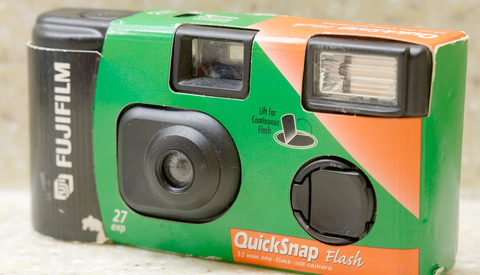
Before everyone became a photographer, there was a little yellow box that made everyone feel like one.
Walk into any modern home and observe where family photographs live. They exist as ghostly presences scattered across hard drives, trapped in smartphones, or floating in cloud servers owned by distant corporations. The physical photo album—once the sacred repository of family memory—has virtually disappeared from domestic life, taking with it an entire ecosystem of memory-making rituals that shaped how families understood their own stories.
Photography has undergone a fundamental transformation that extends far beyond technical capabilities. While digital cameras and smartphones have democratized image-making and eliminated financial barriers to practice, they may have simultaneously dismantled the psychological foundations that historically drove photographic mastery: patience, deliberation, and tolerance for delayed gratification.
Every photographer today carries in their camera bag technologies that would have seemed like science fiction to previous generations. Features we consider basic—automatic exposure, instant image review, face detection—represent decades of engineering breakthroughs that fundamentally transformed how photography works. Understanding the revolutionary nature of these now-mundane features reveals both how far camera technology has advanced and how quickly we adapt to miracle becoming ordinary.
Maria Santos learned to stop looking at faces.
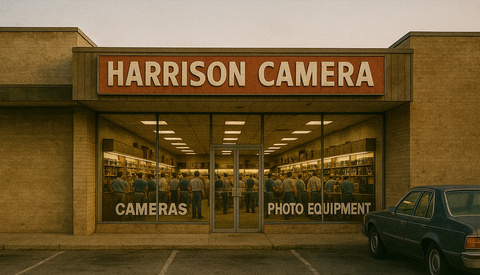
The bell above the door hadn't stopped ringing for twenty minutes. It was a Saturday afternoon in March 1985, and Harrison Camera on 47th Street was packed with its usual crowd: wedding photographers arguing about lens choices, art students pawing through used equipment bins, tourists asking endless questions about film types, and the regulars who came not to buy anything but simply to belong somewhere that understood their obsession.
The chemical stains on Samuel McKinney's hands told the story of his profession before he ever opened his mouth. Fine brown flecks of silver nitrate freckled his fingertips; years of handling pyrogallic developer had yellowed his nails. His clothes reeked faintly of sulfur and ether no matter how many times his wife scrubbed them.
Imagine taking a photo and not seeing it for a week. Imagine every click of the shutter costing real money. Imagine gathering your family around the kitchen table to pass around actual printed photographs, holding them up to the light, flipping them over to read date stamps printed in orange numbers.
In technology, being first doesn't guarantee success—it often guarantees failure. The photography industry is littered with brilliant innovations that arrived years or even decades before the world was ready for them. These weren't bad ideas executed poorly; they were revolutionary concepts that failed because the supporting ecosystem, consumer behavior, or complementary technologies hadn't caught up yet.
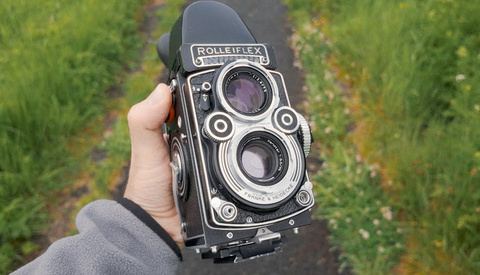
The RolleiFlex 3.5F, with its classic Schneider lens, holds a special place in film photography—when it works. Reliability can be tough, but photographers keep coming back because when it's good, it’s outstanding.
Photography didn't just evolve technologically—it fundamentally altered how humans behave, interact, and see themselves. These five moments didn't just introduce new features or platforms; they rewired our brains and created entirely new social behaviors that didn't exist before. Each represents a permanent shift in human psychology that we can never undo.
Photography has evolved dramatically over the past 50 years, but certain cameras didn't just capture images—they fundamentally altered the entire medium. These five cameras didn't just introduce new features; they sparked revolutions that are still shaping how we create and consume photography today.
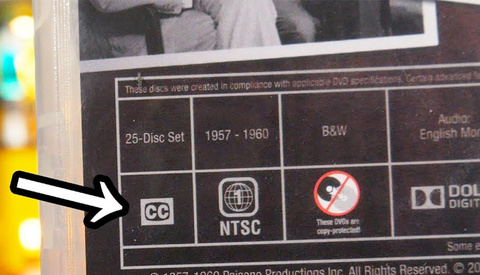
Did you know that DVDs store captions in two fundamentally different ways? This isn't just trivia; understanding this matters if you're relying on older media for accessibility.
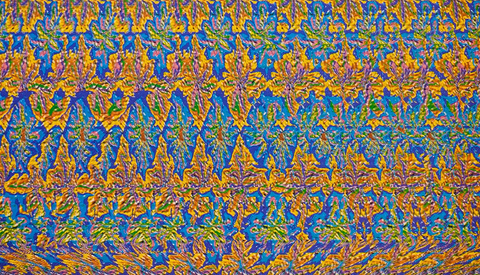
Magic Eye stereograms swept through the 1990s as a cultural phenomenon, capturing imaginations with their ability to transform a flat image into a mesmerizing 3D scene. For many, they became an intriguing challenge that separated those who could instantly discern the hidden depth from those left squinting at a frustrating blur (aka me).
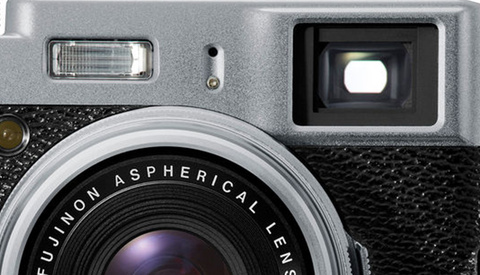
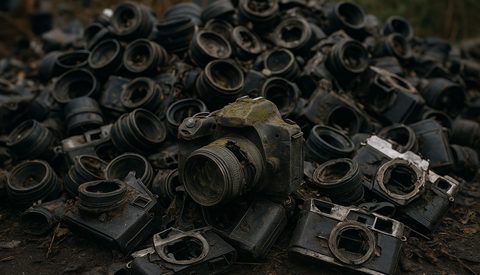
The camera industry is littered with the corpses of products that looked revolutionary on paper but crashed spectacularly in the real world. These aren't just minor missteps—these are epic failures that cost companies millions, confused consumers, and taught us valuable lessons about what not to do. Here are the cameras that failed hardest, and the brutal reasons why.
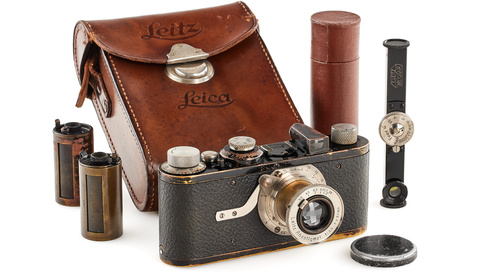
Leica is observing a truly historic moment in 2025: the 100th anniversary of the Leica I camera. You might know the name Leica, but the introduction of the Leica I was more than just a product launch; it was an event that irrevocably altered the landscape of photography.