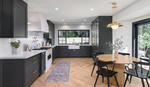
Many real estate images you see online don’t tell the full story. You’re often only shown a polished selection, which can make you second-guess your own work. Knowing how professionals really operate gives you a clearer perspective on what matters and where to put your focus.
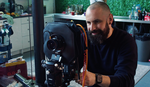
Coming to you from Nathan Cool Photo, this revealing video uncovers habits that most working pros don’t talk about. One of the first is how little of their work they actually show. What you see in a portfolio or on social media is often just a fraction. Luxury homes always look better in feeds, even if the photos themselves aren’t technically stronger. A well-shot budget kitchen won’t get the same traction as a glossy remodel. That doesn’t mean your work is weaker; it just means you’re comparing different types of subject matter. Being aware of this helps you judge your own progress more fairly and keep your attention on client needs rather than social media validation.
Another point Cool makes is about gear. Many pros aren’t using the latest cameras or lenses, and they certainly aren’t bragging about what’s in their bag. He explains that he still shoots a lot on a Nikon Z5, which costs around $1,000. Before that, he relied on older Nikon DSLRs like the D610 and D600. The takeaway is clear: you don’t need a flagship body to produce professional work. What matters is that your gear is reliable, that you understand how to use it, and that your lighting and editing carry the image across the finish line. A camera only needs to be “good enough,” and beyond that, your skill is what makes the difference.
There’s also a refreshing honesty about exposure. Instead of obsessing over perfect histograms, most pros aim to get within a stop or two of accuracy. Modern cameras allow enough flexibility in post to make small adjustments without noticeable loss in quality. What matters more is how you place your light and shadows. This is where your creative decisions affect the atmosphere of a room. Cool emphasizes that consistency in lighting across a set of images is more important than nailing the exact exposure on the spot.
Another useful insight is about speed. Professionals often shoot fast, but not because they’re rushing. They’re reusing settings, flash placements, and angles within the same space. This kind of repetition adds up to significant time savings, especially in listing work where you may be capturing multiple rooms in quick succession. In contrast, when working with architects or designers, the expectation shifts. You can take your time to fine-tune light and exposure since clients are paying for precision. That difference in approach explains why design photography often pays more.
Cool also points out that pros shoot for clients, not peers. Social media feedback can be harsh, unhelpful, and irrelevant to the people who actually hire you. Clients, on the other hand, provide feedback that shapes your business and helps you understand what is worth delivering. Check out the video above for the full rundown from Cool.