
You can never have too many wide angle lens options. Different uses require different capabilities, and this new prime option is more versatile than it seems.
Not too long ago, when you’d be looking for a fast wide angle prime lens for your camera, you’d probably have to expect to bring a big and bulky lens. That would then make you reconsider if you actually need the bigger aperture offered by that fixed focal length lens over a more portable and versatile ultra-wide angle zoom. But recently, Sony’s G lens lineup has prioritized giving compact prime lens options to give us more practical choices.
The Sony 16mm f/1.8 G Ultra-Wide Angle Prime
The new Sony 16mm prime comes in a significantly compact form, measuring just 3 inches (7.5 cm) in length and 2.91 inches (7.38 cm) in width. The entire lens weighs just 304 grams, including the reversible petal-type lens hood.
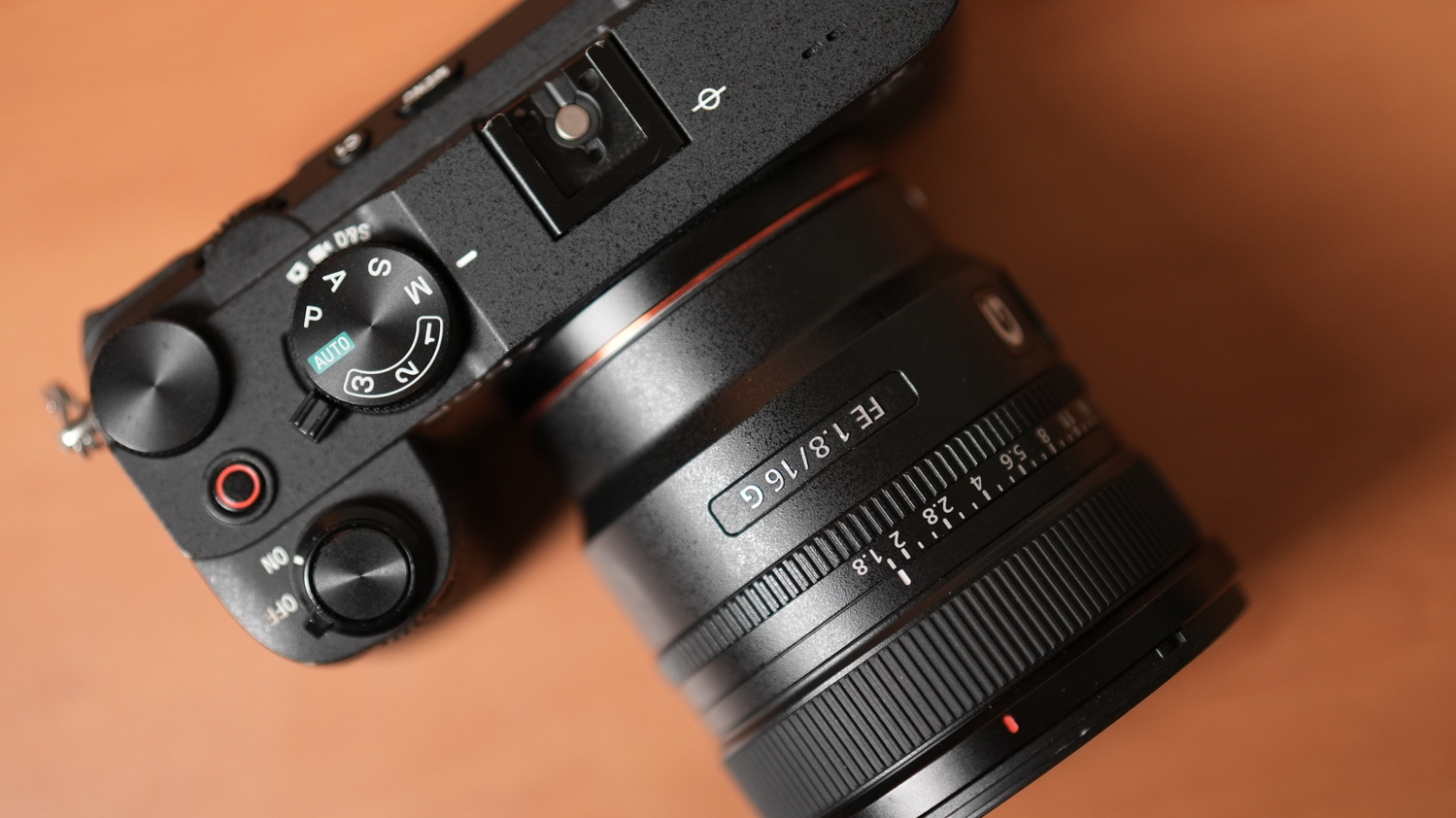
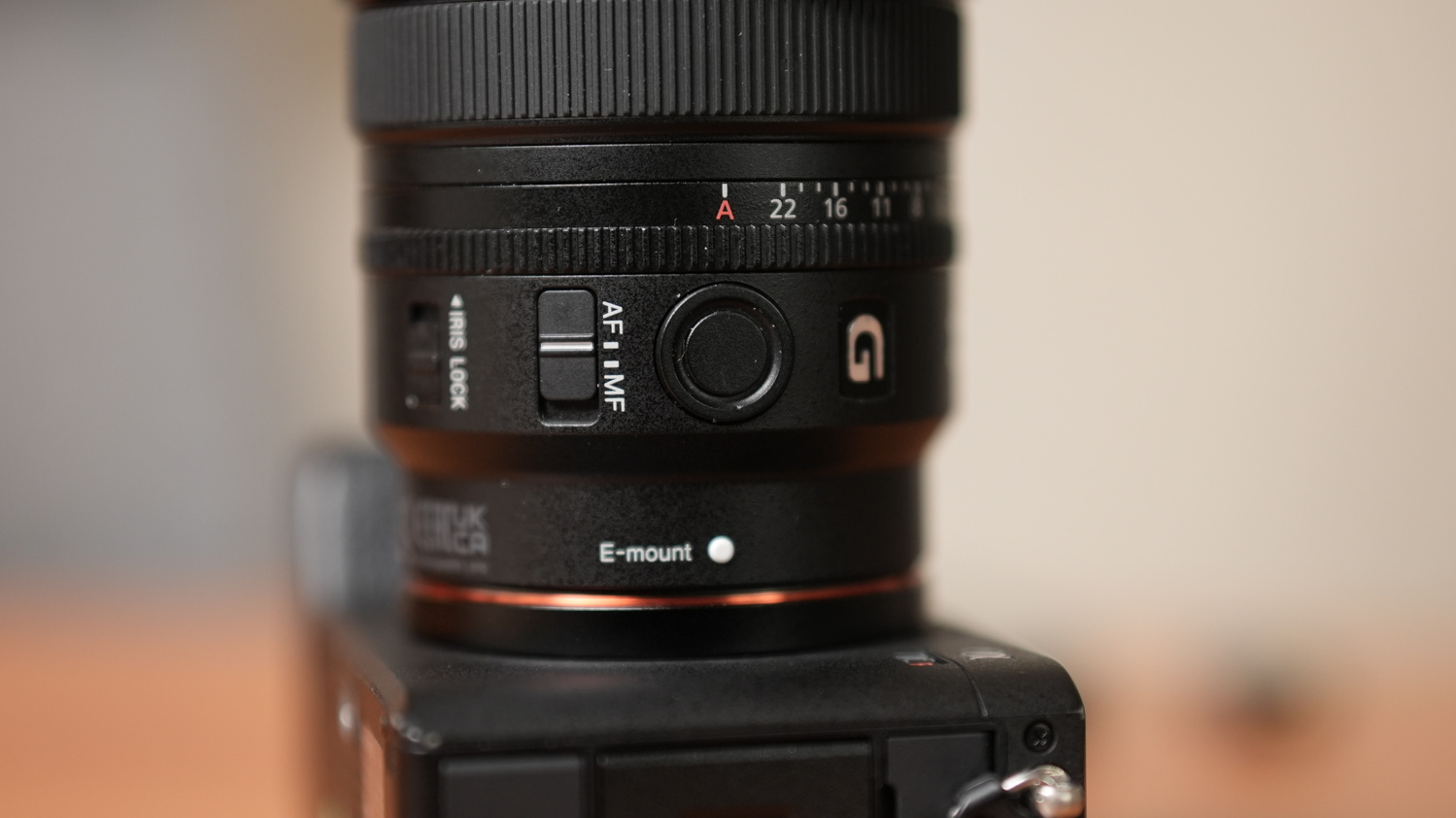
With a full frame camera, the 16mm focal length offers an angle of view of 107 degrees and can focus as close as just 15 cm from the focal plane. While this lens visibly has a smaller barrel than larger ultra-wide angle lenses, it has a 67mm diameter filter thread up front. On the distal end of the barrel is a focus ring, accompanied by a manual aperture ring on the more proximal end, with a range of f/1.8 to f/22 and an extra stop for A, which allows for controlling the aperture using an assigned dial on the camera body. The lens also comes with the usual autofocus switch alongside the customizable button, a switch to remove the clicks of the aperture ring, and an iris lock switch to go with it.
Optical Performance and Distortion
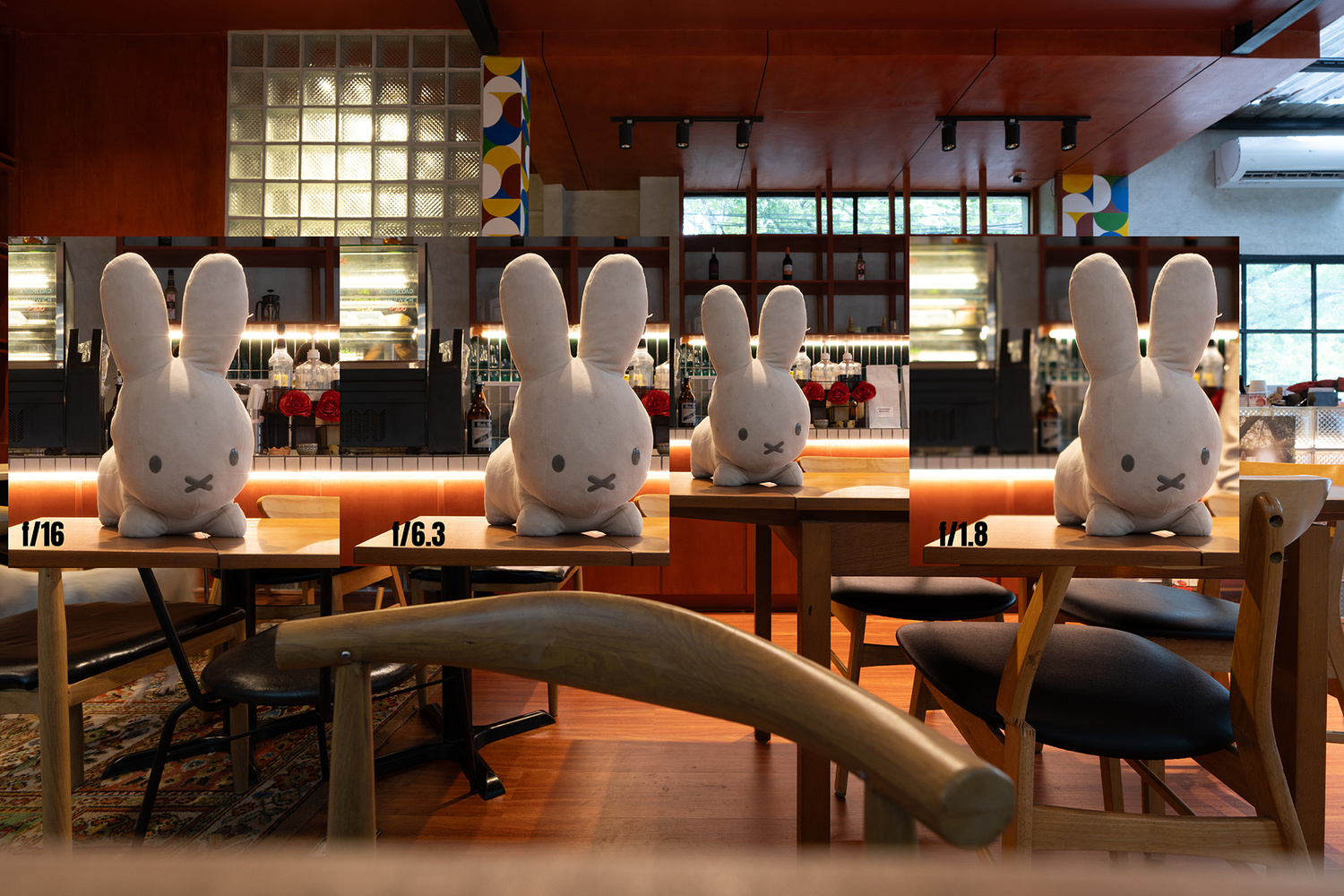
On a full frame body, shooting at f/1.8 gave noticeable center sharpness with slight fall-off on the corners. This improves moving up to f/4 all the way to f/6.3, where this particular copy seems to have the best sharpness across the frame. Stopping down past f/11, there is also a slight decline in sharpness compared to the larger apertures, which may be associated with diffraction.

The 16mm f/1.8 G technically has considerable barrel-type distortion; however, it might not be as apparent in-camera as it is automatically adjusted and compensated for by the built-in profile applied to the preview and JPEG output. However, of course, shooting in raw would reveal the significant difference in distortion that is most appreciable on the corners of the frame. This distortion is also more pronounced when focusing close to the minimum focusing distance. A slight vignette of about half a stop can also be seen when wide open but disappears past f/2.8.
Application
Just like any other lens, the benefits of using the 16mm f/1.8 G would always depend on the framing and perspective, regardless of the genre in question. However, of course, there are certain genres that are more likely to need wide angle perspectives, such as the ones to be discussed below.
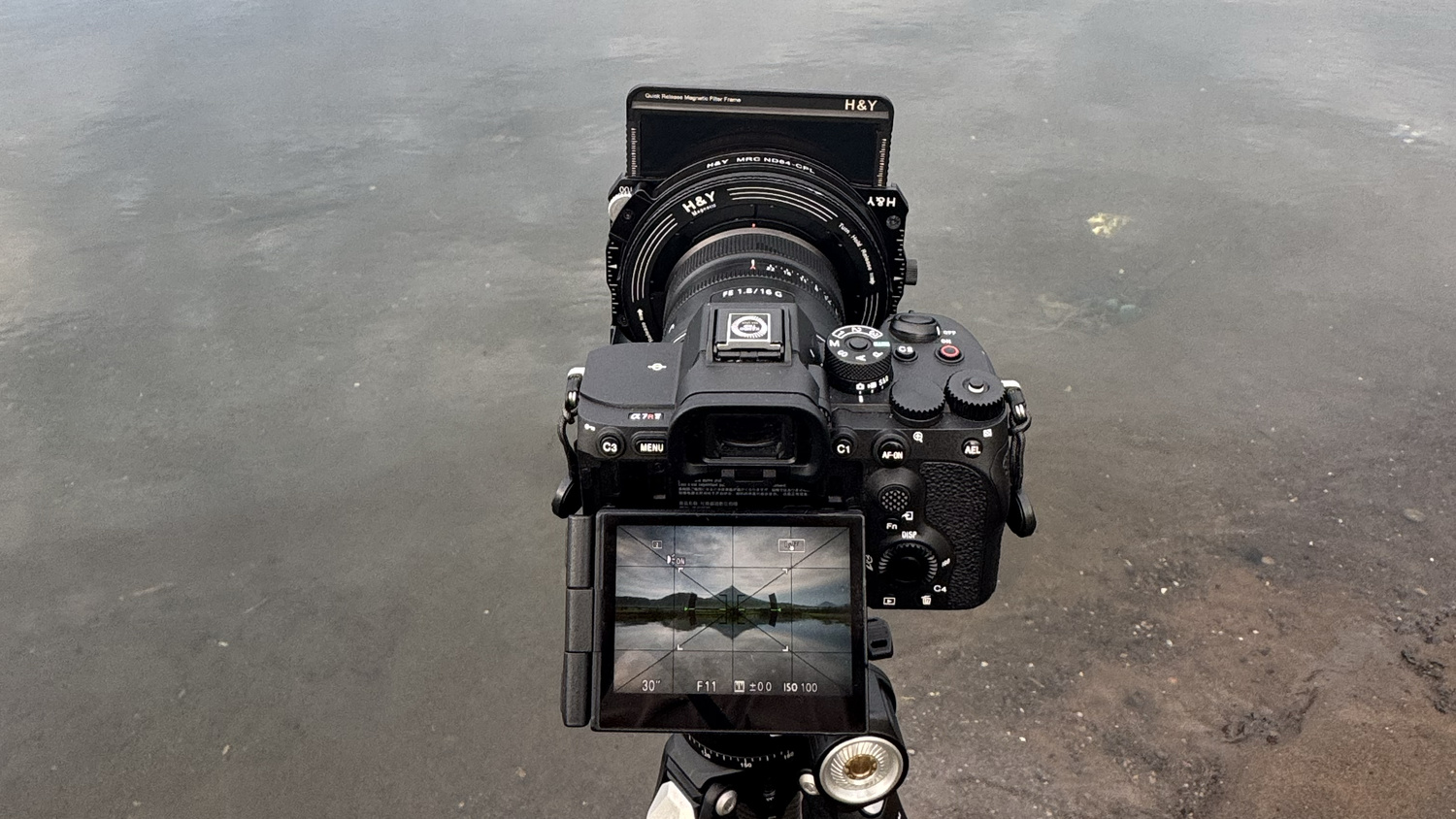
Landscape photography would probably be the first thing on any photographer’s mind whenever talking about using wide angle lenses, and while not all landscape scenarios would do well with a 16mm, the initial impression is, of course, valid. The Sony 16mm f/1.8 G would, of course, do well in shooting natural or even man-made locations that have significant foreground elements involved. This includes shooting seascapes with a lot of textures in the water and surrounding rocks, or anything that would benefit from how the wide angle perspective could illustrate the layers of the foreground. Since the lens was also designed with a relatively smaller barrel, it works with standard-sized 100mm square filter systems without any problems.

Because of the f/1.8 maximum aperture, this lens can also be very useful in shooting landscapes at night with the night sky in the background. Being able to shoot wide open at f/1.8 would allow the user to get clear and detailed photos of the stars in the sky, given good weather and cloudless skies.
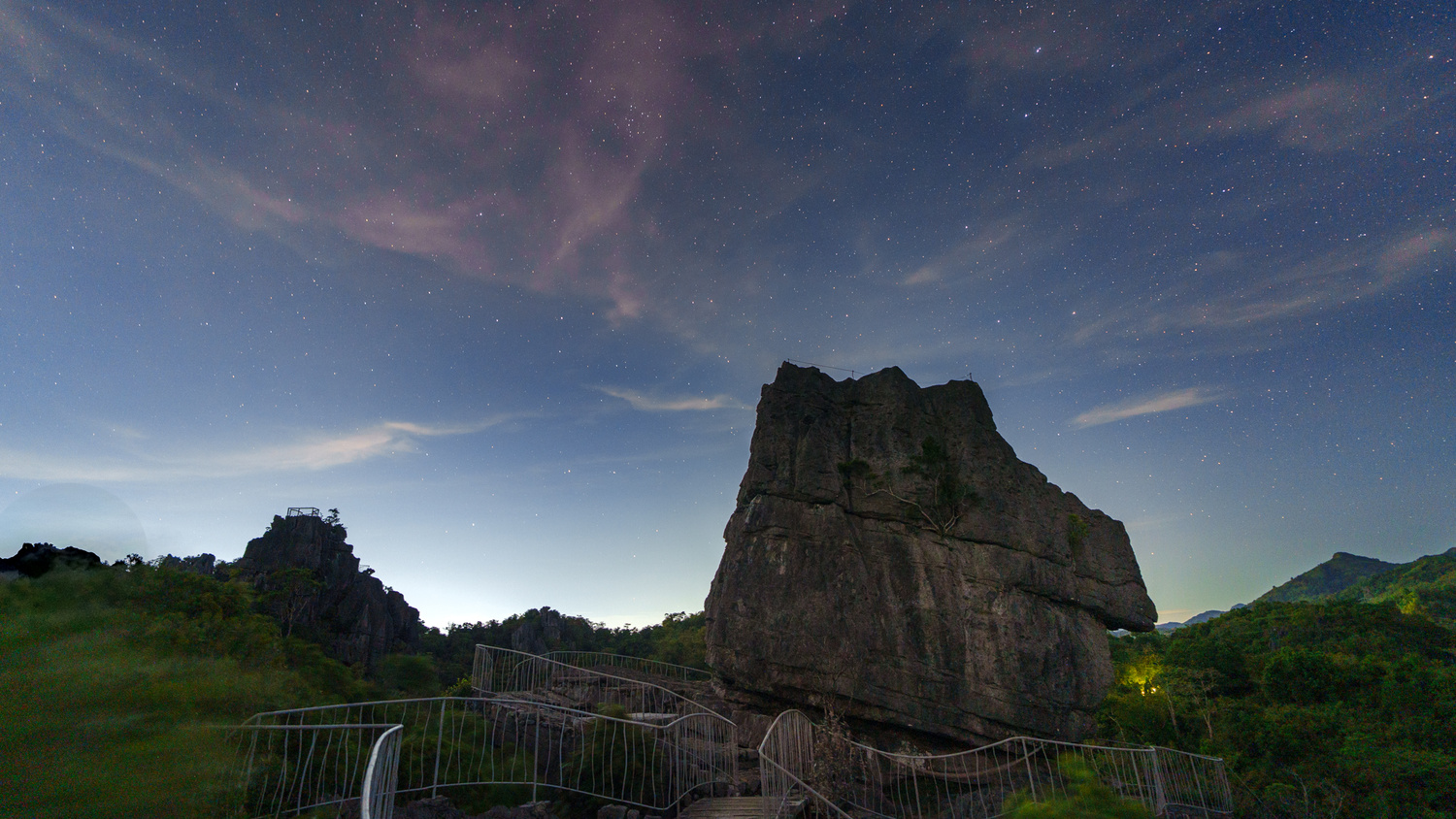
Personally, this particular use case has been filled in by my 3-year-old Sony 20mm f/1.8 G, which has been very useful for both daytime and nighttime wide angle landscape perspectives, and this wider option is definitely something to consider. As a bonus, the portability of the lens can definitely allow for more comfortable walks or hikes toward vantage points compared to much larger and heavier wide angle lens setups.

Another possible application would be for wide angle street photography. Different photographers would, of course, have different preferences for perspective with street photography, but some prefer wide angle lenses for how immersive and intimate they can be with human subjects. Considering the fast and adaptive focusing when paired with a camera body with updated AF tech, this can make street photography as quick as pointing and shooting, even with a wide perspective.

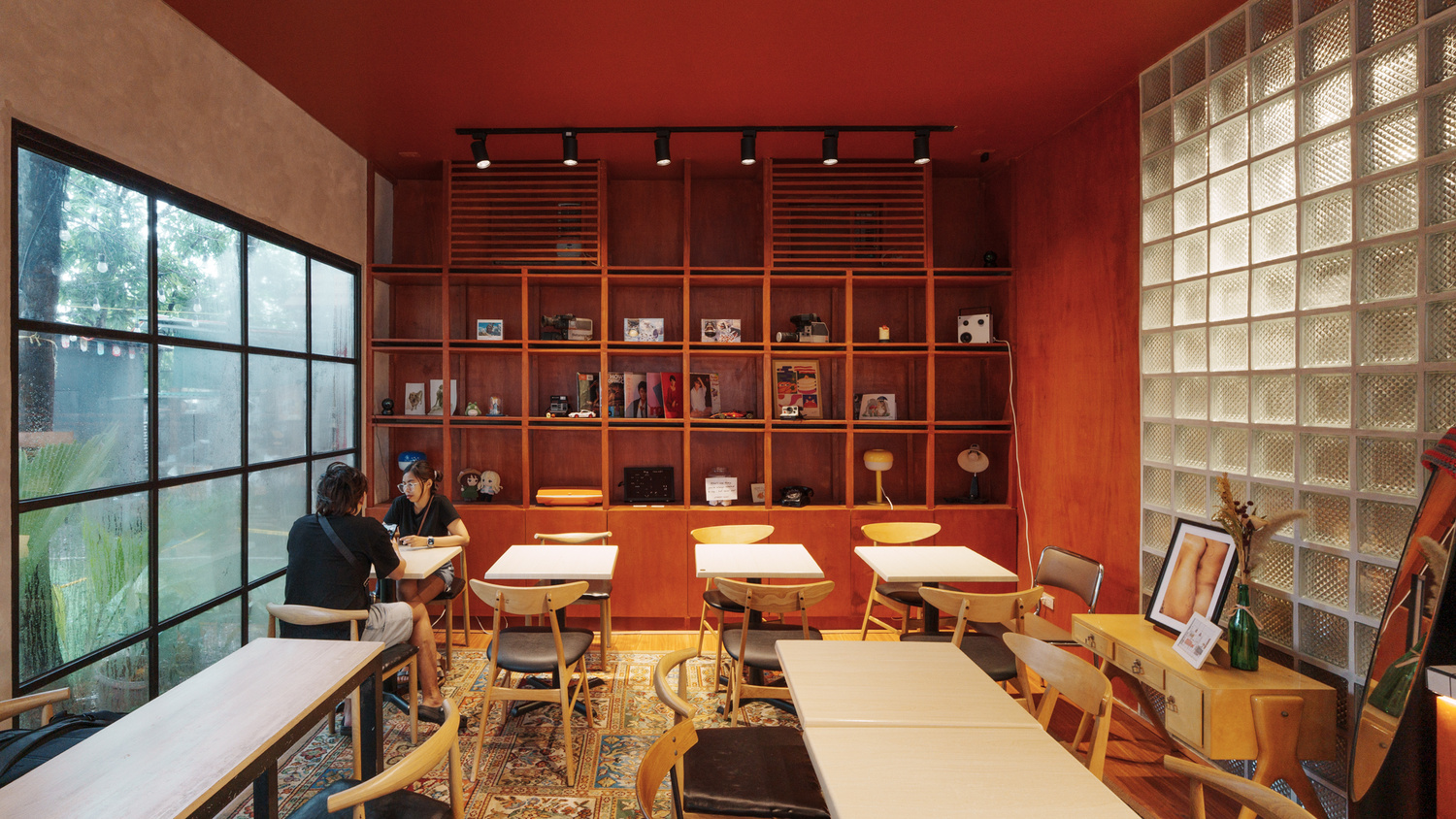
Given the lens’ optical performance—specifically the barrel distortion—it can still definitely perform for architecture and real estate, especially if the user is mindful of this distortion and avoids having structural objects near the edges. While it is definitely not the most ideal lens for photographing spaces because of this, it will still be a good option. The distortion shouldn’t be bothersome when shooting large spaces and structures, and while it can be evident in photographing smaller rooms, using the distortion correction profile can make a huge difference.

In addition to the more typical uses of ultra-wide angle lenses, any other creative approach with wide perspectives can, of course, be done with the 16mm f/1.8 G. Low-light environmental portraits, extremely low or high angle action shots, or even intimately close approaches for concerts and events—the combination of having a wide angle perspective with a large aperture and fast autofocus greatly expands the functionality in both still photography and even video.
Conclusion
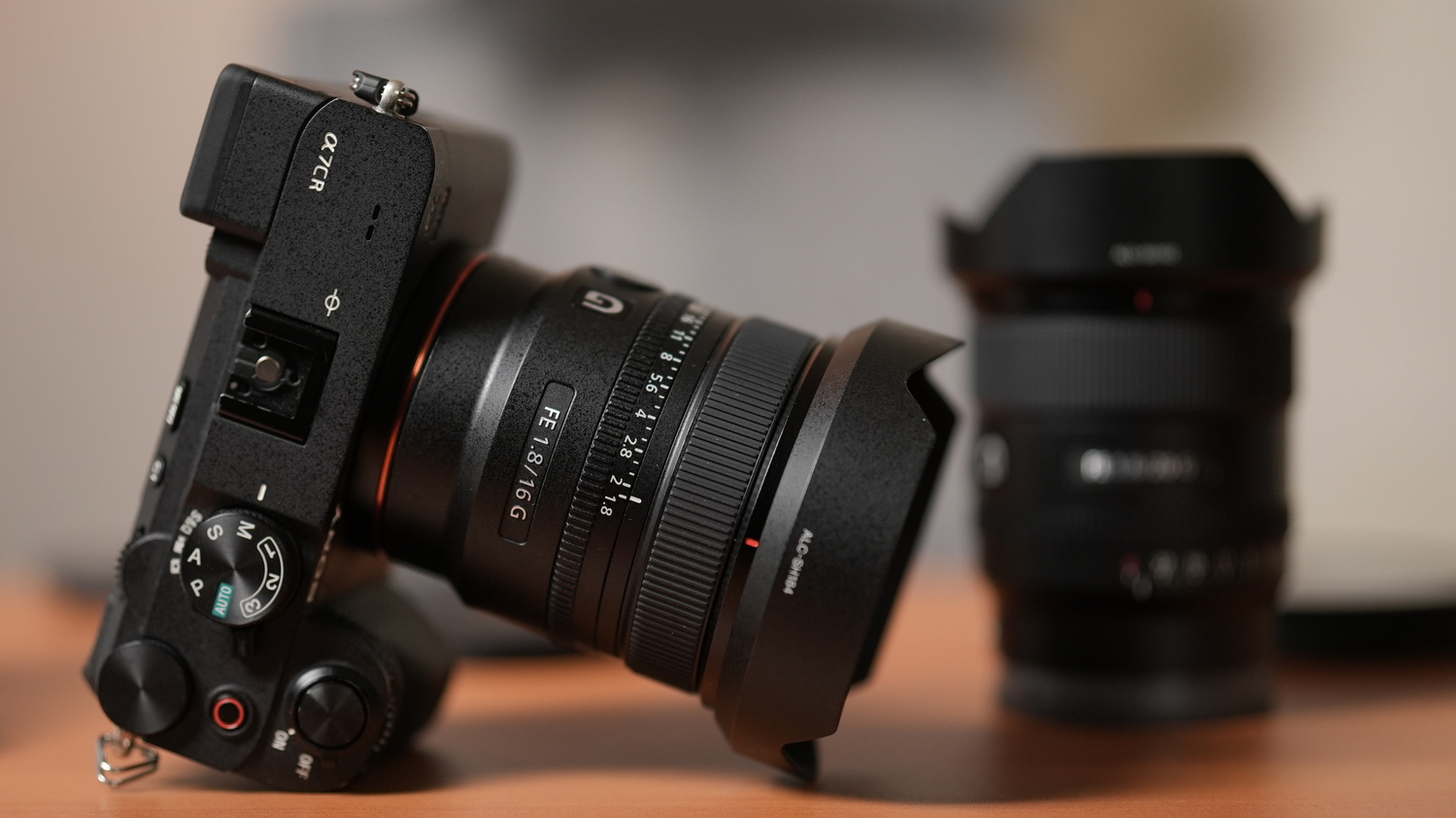 The Sony 16mm f/1.8 G is definitely a game-changing option—not because of specific features, but because of the combination of all of them in a compact form. While 16–35mm f/2.8 or f/4 zoom lenses are still more versatile options for wide angle lenses, photographers who know the specific perspectives they prefer can benefit greatly from this lens, especially when the need for low-light shooting arises.
What I Liked:
-
Compact and lightweight build
-
Large aperture and good low-light performance
-
Adaptive autofocus
What Can Be Improved:
- Barrel distortion






Now a Lone Wolf mm 16mm and at f/1.8, And things get more interesting. The first is yes a prim lens and as stated with barrel distortion when close in like indoors doing architecture photography but nothing about outdoors architecture photography, on the subject of architecture most not all architecture photographers like to use a telephoto 16-35mm mainly for different rooms require a different mm to not have things look too far away.
As far as landscapes yes getting a lot in and not too far away the far story is closer.
As far as night scapes with stars is a good mm, a thing to remember is one you will need to use a faster SS for the pinpoint stars but is great for the panorama Milky Way Arch with the arch over foreground subject and getting more sky above it so in post you get a higher image all most like a full frame image, as a note/information if capturing in landscape view the trail of stars will be level and horizonal not in an arch - even a 10mm will look the same. As far as night time filter use it is really no longer needed because to due the new lighting with LED lights making for a studio like color capture.
What I think the lens is mainly for as pointed out was the Vlogger where they are more far away looking and with the story behind is some what close to far. I am a still image photographer and only see on the image on the tubes.
The great thing is screw on filters were as the 14mm f/1.8 and 12-24mm f2.8 and f/4 need big filter holders as well big glass filters. As far as filters and landscapes you will need to you will need to be aware of where the sun is not get that upside down hump but to remedy that there are now filters that can be used behind the lens where the sun placement is no longer a problem for that waterfall can be right in front with the sun above it meaning also the wide angle in the woods getting it all in around a stream with milkiness water or into the sun sunrise with a milky surf.
For those wanting to get it all in look with a wide lens look or a panorama but filling the sensor without the cut off top and bottom there is the new Venus Optics Laowa 10mm f/2.8 Zero-D FF Autofocus Lens where in the somewhat old days we needed a fisheye lens and use fisheye software.
A word of warning about the extreme ultra wides is the background story disappears for it is so far away but for some places it is a safer capture.
1. and 2. Voigtlander HELIAR-HYPER WIDE 10mm F5.6 safe close to the edge and more in frame than on postcards.
3. Have to think when inside when going wider say 12mm, mainly if in a room you have to aim at a corner, captured with the Sony 10-18mm f/4 OSS (15-27mm in 35mm) full frame at 12mm.
4. Another thing you can do with a wide 16mm is to bracket 5 at +/- 2EV, yes a wide capture but the bracketing will get you small pinpoint sun vs a big sun blowing out the sky full of color but with main subject close and lots of color in background.