
Auto White Balance (AWB) works for some scenarios. Night photography is not one of them. Here are five solid reasons to ditch AWB—and how doing so can instantly improve your night photography game.
During the day, your camera does a decent job of guessing an accurate white balance. During the night, it struggles. Night photography is one area where it's better to set a manual white balance. Sure, you can change your white balance later in post-processing. But here are five reasons why you should set it manually.

1. Accurate Image in LCD

As mentioned, the camera takes its best guess at AWB. But "best guess" isn't good enough. You want accuracy, not shifting tones. You want to make the decisions and not let your camera do it.
The best way is for you to set it yourself. If you're shooting a warm sodium vapor-lit alley or under cool moonlight, you want that vibe to come through in your photo and make better decisions in the field. You should be the one to decide whether your night sky is closer to neutral black/gray or blue in tone.
Setting the white balance manually lets you match the scene’s actual light temperature—and keeps your vision of what the photo should be intact. This leads right into the next point…
2. Your Histogram Will Give You a Giant Hug (Not Really...)
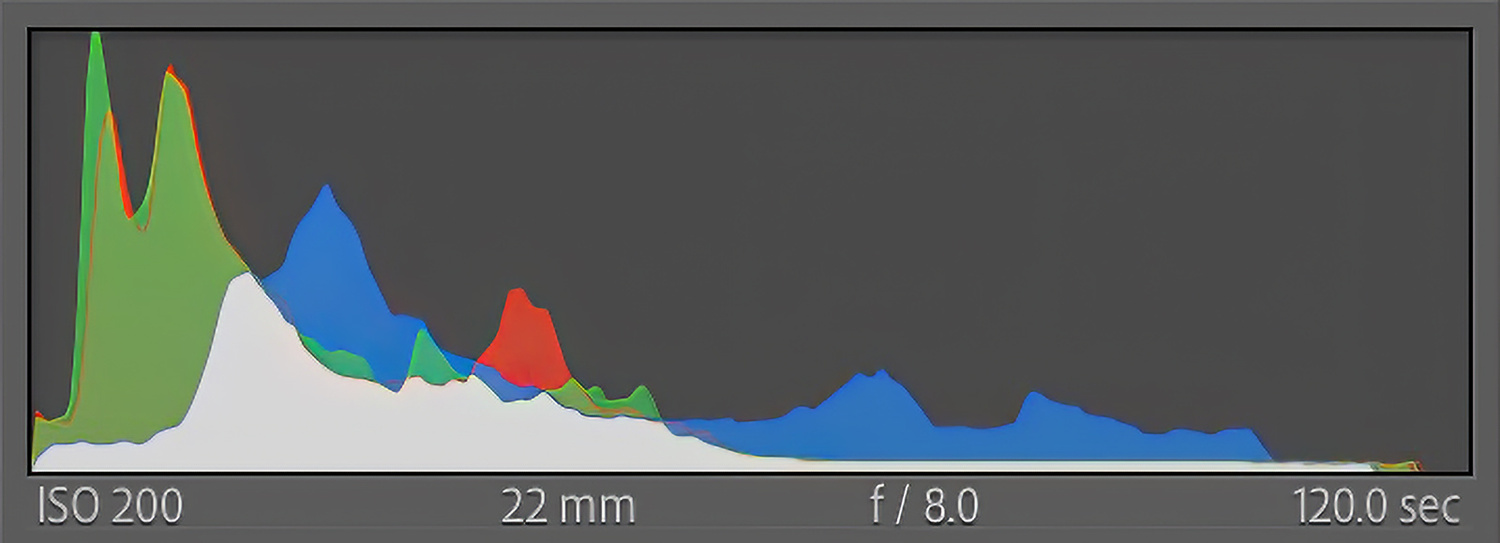
Your WB determines how your JPG preview looks. Your histogram is based on your WB as well. The inconsistency AWB creates can throw it off, making it hard to judge exposure accurately. You want to know whether you are crushing the shadows or overexposing, don't you? Set that WB manually, and you will have a nice, consistent histogram for the entire evening.
3. Consistency Is Key

Night photography often involves multiple shots: panoramas, light paintings, or long exposure blends. AWB can shift color tones from frame to frame, leaving you to fix inconsistencies later. This is why you lock in your WB manually.
4. Achieve Accurate Colors With Your Lighting
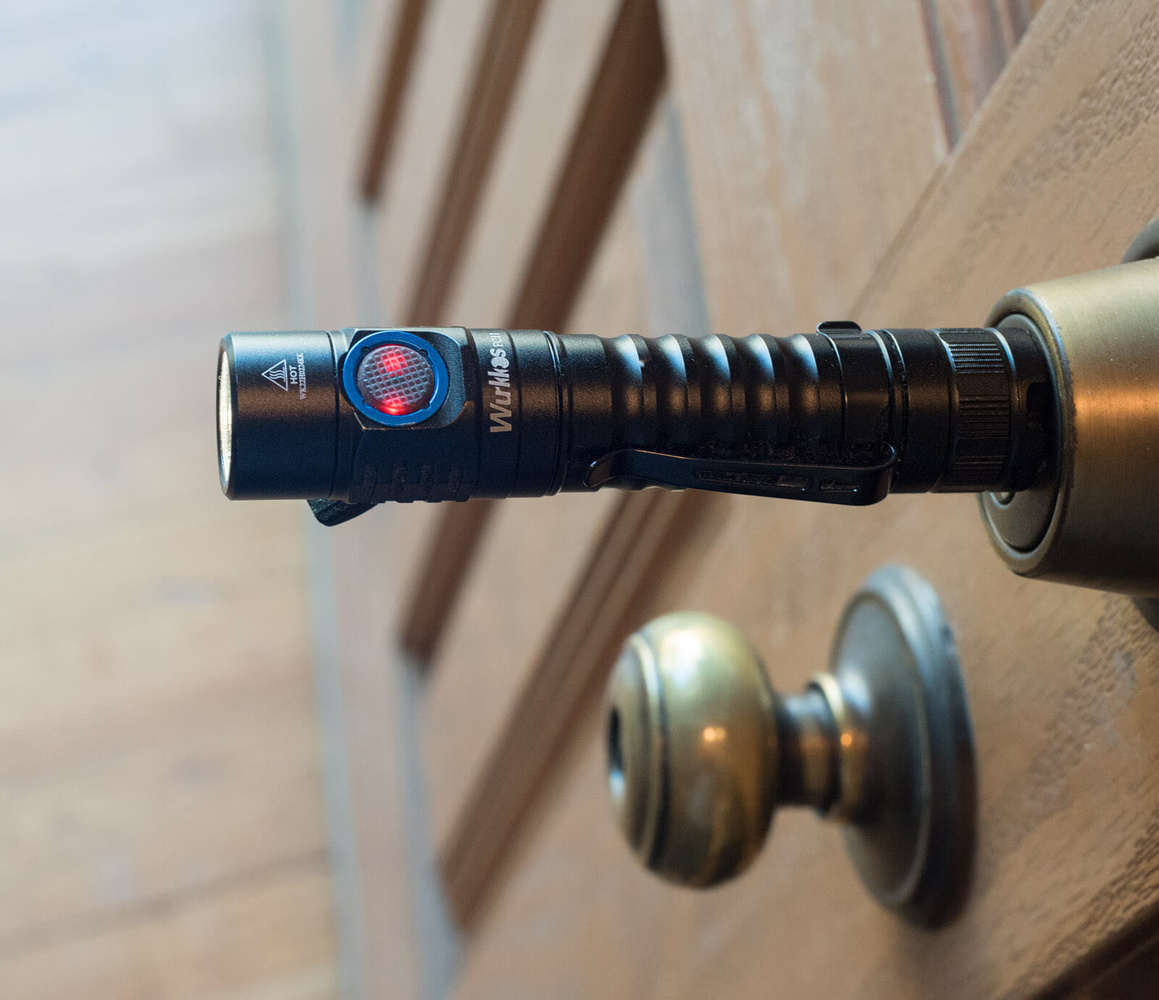
If you’re lighting the scene with LED flashlights, panels, or RGB lights, accurate color matters—right? Many of these lights are tuned to a specific white balance, like 4,000 K. If your camera is set to that same Kelvin color temperature manually, your whites will actually look white—and your other colors will stay true, too.

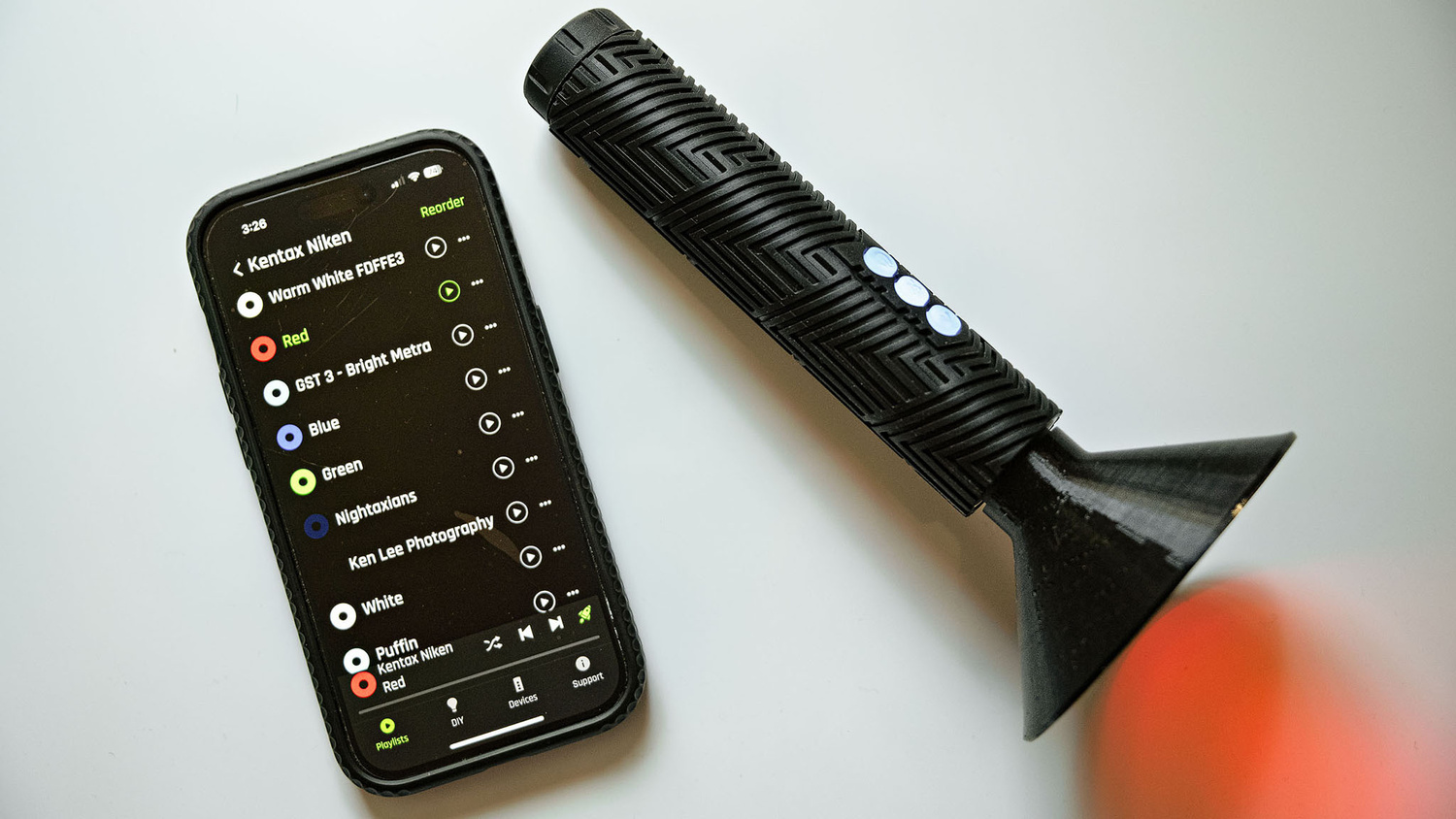
This is especially helpful when using RGB lights where color accuracy really counts. Tune your white balance to your light. Make your life simpler and your lighting better.
5. Easier, More Accurate Editing Later
Manual WB gives you a consistent base to begin your work. This means easier edits and more accurate color correction when you begin your post-processing. With AWB, you might spend extra time fixing weird shifts and matching tones across images.
The Bottom Line
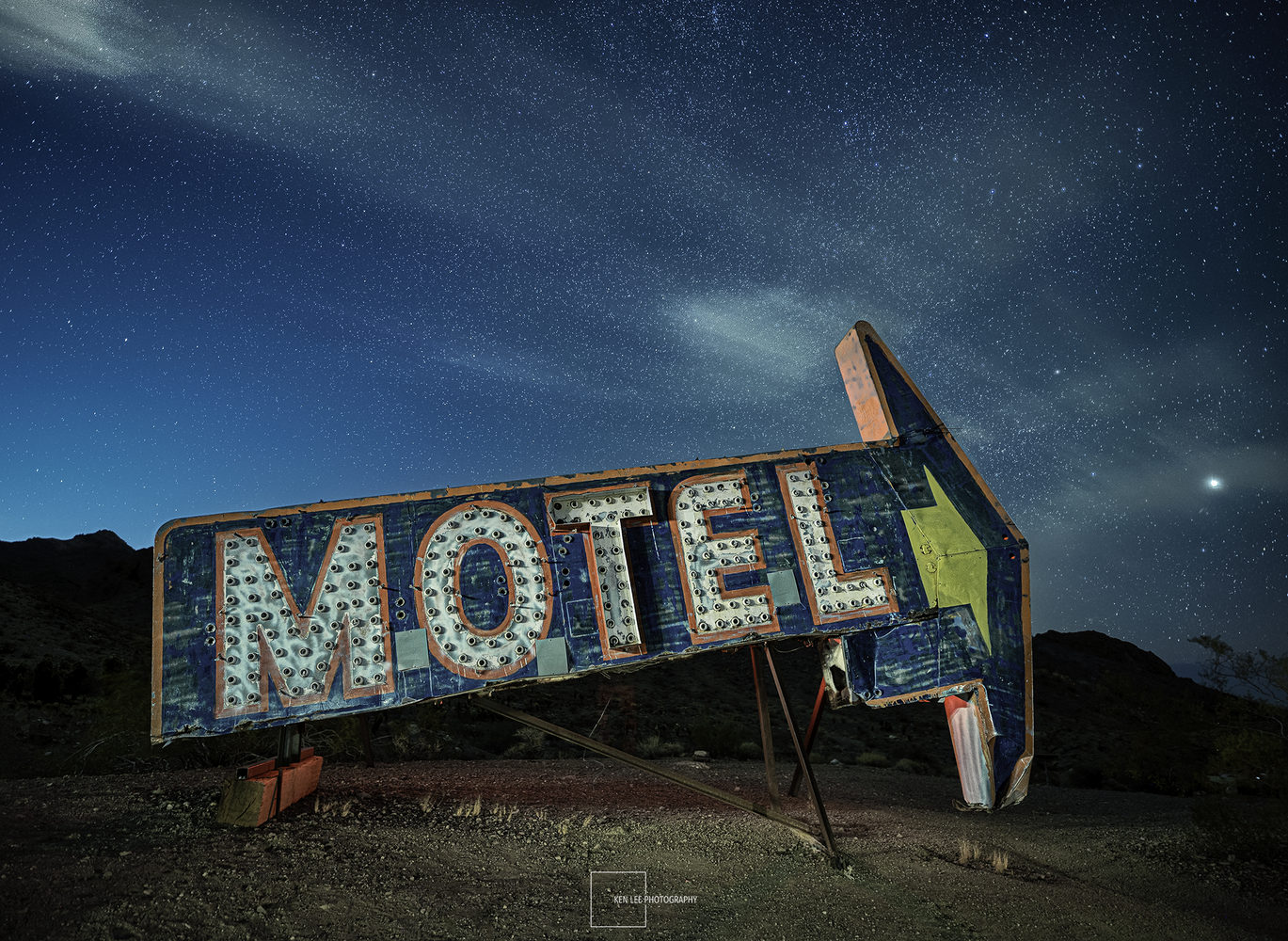
Auto White Balance may seem like a time-saver. However, it can throw a monkey wrench into your night photography workflow. Switch to manual WB by setting a Kelvin temperature. You can match Kelvin temperatures in both your light and your camera to get a true white from your light.
Alternatively, I frequently use 3,800 K for many of my night photos while using a flashlight with 4,000 K. Because of this, the white light will look slightly warm, something that I frequently love.
However, you should choose the color temperature that fits your vision best. Regardless, it's pretty great having that consistency and accuracy in viewing, histogram, lighting, and post-processing. Anything that makes our photography easier and better is a win.





Are you shooting JPEG?
Unless something fundamental has changed and no one told me, white balance can be fully adjusted non-destructively in Lightroom when shooting in RAW.
That said, I agree that setting a consistent and logical white balance at the time of shooting can help with preview accuracy, especially for night scenes where auto WB can be erratic. But for those of us working in RAW, it’s a metadata tag—not a baked-in decision.
Of course I'm not shooting JPG. The entire article is about RAW images. I mention several reasons for having consistent WB while doing night photography, and nowhere do I state that your WB is "baked in" to your RAW images. Did you read the article?
Hi Ken,
I did read the article, thank you for taking time to explain your process.
I wrote " I agree that setting a consistent and logical white balance at the time of shooting can help with preview accuracy, especially for night scenes where auto WB can be erratic.", which means I agree with you.
The "But for those of us working in RAW, it’s a metadata tag—not a baked-in decision." is in general. As Klaus said, it can be confusing for beginners.
Shooting in AWB doesn't mean it cannot be fixed in Lightroom or else when shooting in raw.
Thanks. I do want to emphasize that there are other reasons why we should not use AWB for night photography, which I mention in the article. And far from it being confusing, setting and forgetting the WB is simpler. It's simpler for tuning in the light painting, it provides consistency, and it provides an accurate histogram. My night photography students find it wonderfully simple, but of course, if anyone find it confusing, they can adjust thej RAW files in post. You would simply be missing the consistency, the accurate histogram, and the nicely-tuned lighting. And it might create more work for you in post as well. Thanks again for your comment!
Love the Sand Dragon - Star Trails Image!
Galleta Meadows at Borrego Springs, California, is a fun spot to visit! Hopefully it won't be over 110 °F like when I was there...still fun!
Borrego Springs can rage during the summer. The first time I went there, it was 98 degrees -- close to MIDNIGHT!! Yiiikes! But much of the time, it's a great place to hang out, do night photography, and more, with fantastic photographic subjects with all those amazing and enormous Ricardo Breceda sculptures around there.
Confusion for beginners. Shot in RAW and you fix every WB adjustment.
Yeah, absolutely. Having a consistent WB takes away any confusion and makes the whole post-processing experience easier, quicker, and, of course, more consistent.
And in the field, you have that consistency too, in your histogram and everywhere else. AWB is not very good at determining good WB for night photos.