Zhen Siang Yang's picture
Average rating:
3.3 out of 5
3.3
Zhen Siang Yang
Air Itam, 07, MY

Articles written by Zhen Siang Yang

We Review the Hohem iSteady V3 Ultra Consumer Smartphone Gimbal: An AI-Powered Gimbal Designed for Content Creators

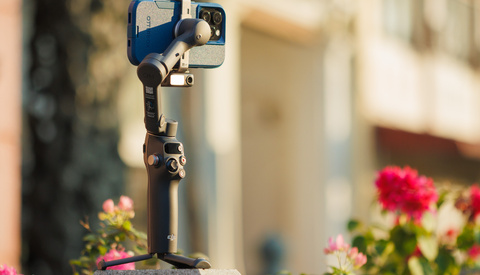
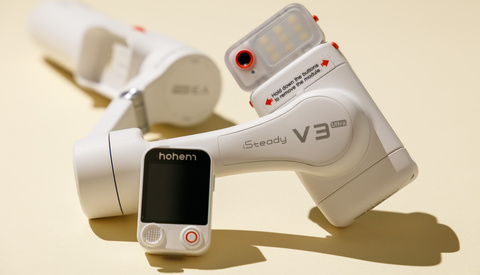
Introducing Hohem’s latest smartphone gimbal, the iSteady V3 Ultra, an upgraded version of Hohem’s V series gimbal. It brings the functionality of its bigger brother, the M series smartphone gimbal, to this more budget- and consumer-friendly product. This also means that we finally have an affordable AI-powered gimbal that actually allows you to see what it is tracking through the magnetic AI tracker, with the introduction of the detachable touchscreen remote controller.

Why Learning Photography From the Internet Now Is Harder Than Ever

Photography has never been more accessible than it is today. With easy access to high-speed internet leading to endless online resources, tutorials, and social media platforms, we would assume that learning photography has become easier than ever. However, my recent observation, coming from the experience of trying to learn a specific technical approach, proved otherwise. Instead of directly finding clear, in-depth guidance, I found myself drowning in an ocean of clickbait titles, surface-level explanations, and misleading information. This stark contrast to my early learning days made me realize that learning photography from the internet is now harder than it was a decade ago.

DJI Unveils Mic 3: A Smarter, Lighter Wireless Audio System for Creators

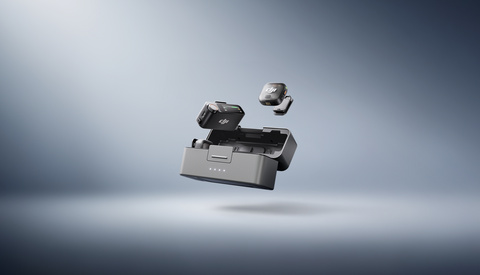
DJI has expanded its OsmoAudio™ ecosystem with the launch of the DJI Mic 3, a next-generation mini wireless microphone that combines the compactness of Mic Mini with the functionality of Mic 2—giving creators professional-grade sound in a compact, easy-to-use package.

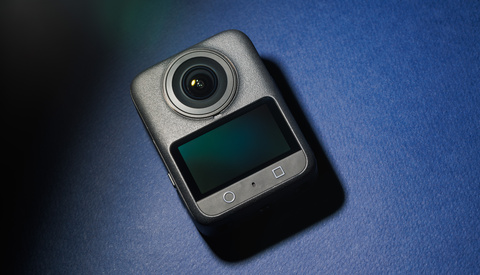
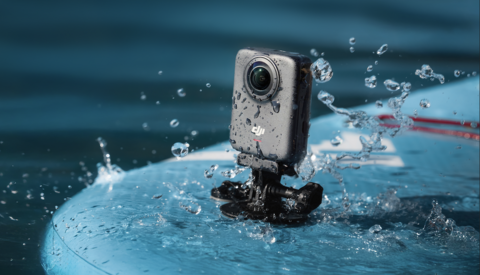
We Review DJI Osmo 360: The First 360-Degree Camera Capable of 8K 50fps.

It’s been an exciting few weeks for photography-gear enthusiasts, with product-announcement rumors coming in from every direction. But among all the speculation, as you might already know, DJI has officially entered the 360-degree-camera market with the launch of the Osmo 360.

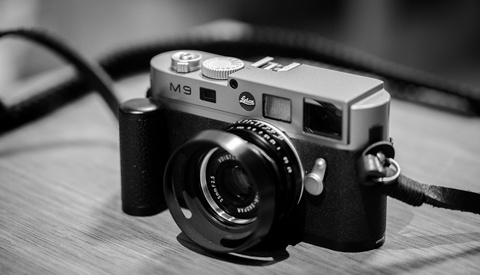
Why Leica M Lenses Might Be the Next Big Thing

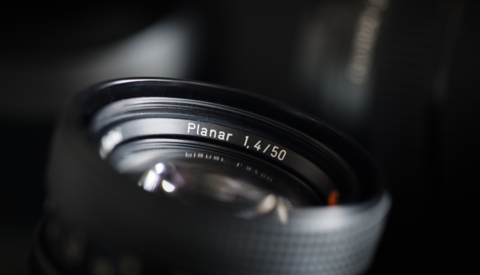
It may sound bold, but I do believe Leica M-mount lenses are making a quiet resurgence, not just among loyal Leica shooters, but across the broader mirrorless world. A statement like that probably needs some explanation, so hear me out.

Introducing DJI’s First 360-Degree Camera: Osmo 360, With a Video Capable of up to 8K 50 fps

The leader of the drone market has spoken. Answering the gap in the market, DJI officially steps into the 360-degree camera arena with the Osmo 360—a bold move, and perhaps an overdue one, considering the brand’s legacy in imaging innovation. This isn’t just another consumer-grade spherical camera. It’s DJI’s statement piece, a professional imaging tool armed with 1-inch 360° imaging and the first 360° camera with native 8K 50fps video capabilities.

Fluid vs. Rigid Camera Setups: Finding the Right Balance

Lately, I’ve been evaluating my past projects and reconsidering my camera setup, questioning whether it truly serves my creative needs. The deeper I dig, the more I realize that camera setups tend to fall into two distinct categories: rigid and fluid. While rigid setups are usually technically correct and offer precise execution, fluid setups are the polar opposite, which tend to be a much better tool for creative intent and flexible execution.

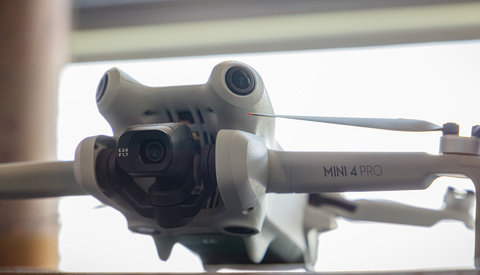
Is the DJI Mini 4 Pro Too Small for Professional Use?

As a practicing professional photographer, I evaluate my gear from time to time and make necessary upgrades to improve the efficiency of my workflow. After my recent crashing experience with the DJI Mini 4 Pro, I have decided to take a step back again to reevaluate whether this ultra-light drone is truly suitable for professional use or if I should just take the opportunity to get another drone.

Can We Train Our Instinct in Photography?

As photographers progress in their journey, admittedly, there’s a natural tendency to gravitate more toward the technical side of things, including myself. The reason is simple: technical improvements are measurable metrics and rather reassuring. You can objectively tell if your images are sharper, your exposures more accurate, and have a higher dynamic range. Whereas growth in reactionary and observational skill sets like instinct is not easily measurable, let alone translated through a camera into our work.

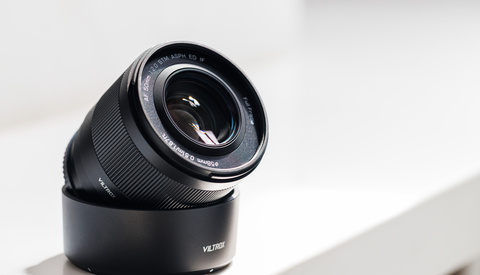
We Review the Viltrox AF 50mm f/2.0 Air Lens for Sony FE Mount

They say there are as many 50mm lenses as there are cups of coffee in a photographer’s lifetime—and for good reason. This classic focal length continues to hold a special place in every photographer’s bag, often with more than one variant in rotation.

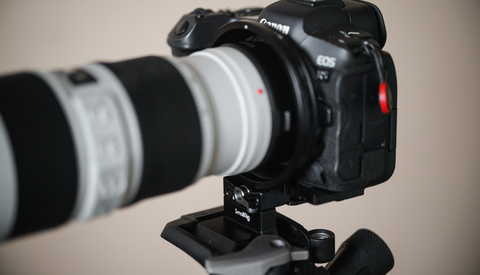
Why I Bought the SmallRig Rotatable Horizontal-to-Vertical Mount for My Canon R5: A Real-World User Review

If you have ever used a geared ball head for photography, especially with a heavier setup, you will know how frustrating it can be to rotate the camera into the vertical position using the gear head. The entire rig becomes rather imbalanced, and with a heavier lens setup, the base mounting plate tends to slowly loosen, causing the camera to slide downwards, which is both rather annoying and worrying.

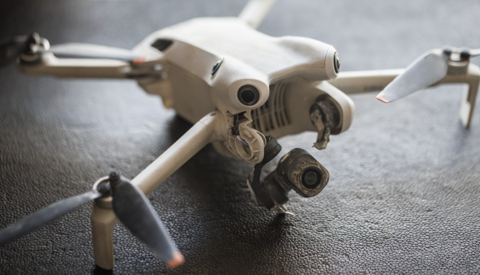
How I Could Have Avoided Crashing My 3-Day-Old DJI Mini 4 Pro

The DJI Mini 4 Pro is undeniably a marvel of modern drone technology. It is currently the best compact sub-250 g drone that money can buy. Packed with tons of new features such as omnidirectional obstacle sensing, true vertical shooting, and 4K video recording up to 120 fps, it is clearly designed for creators who demand both performance and portability—and for working professionals like me who prefer a smaller drone for easier flight access in most areas. It's easy to see why it's a popular choice among drone enthusiasts.

What if the Only Way to Combat AI Is Finding Your Unique Photographic Style?

Let’s face it—AI is here to stay. Whether we like it or not, it’s not going anywhere. When it first emerged a few years back, I have to admit that I didn’t pay much attention to it. It felt like just another tech buzzword because of how immature it seemed. But fast forward to now: it’s evolving faster than most of us can keep up with, and it’s beginning to change the creative industry in a very real way.

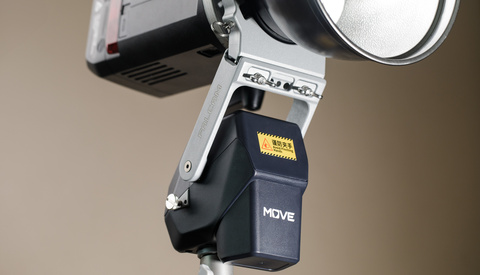
We Review the World First Remote Control Lighting System: Falcam Move LightGo

If you’re a one-person crew or working with a small team on photo production, you’ll know the pain—especially when it comes to lighting setups. It can be one of the most frustrating parts of a shoot. It’s not just about turning a light on. It’s the constant need for micro-adjustments: tilt it a little more, feather it to the edge, raise it higher—only to realize the angle’s off and you have to bring it back down again. When your light is way up there, you never really know how much to tilt until it’s already in the air.

Is the L Mount Going to Be the Future of Lens Mounts?

The L Mount was first introduced by Leica in 2014. It was developed as a new lens mount standard designed to unify full frame and APS-C mirrorless systems. What began as a proprietary mount for Leica cameras evolved into something much more significant with the formation of the L Mount Alliance in 2018. This partnership brought together Leica, Panasonic, and Sigma—three industry heavyweights with distinct strengths: optical heritage, video innovation, and third-party lens versatility. The idea was simple yet ambitious: to create a shared ecosystem of cameras and lenses under a single mount, offering users cross-brand compatibility and long-term investment value.

We Review the Latest DJI Osmo Mobile 7: The Perfect Smartphone Gimbal for Beginners

DJI has long been a household name when it comes to drones and camera stabilization, consistently pushing the boundaries of what compact gear can achieve. With the launch of the DJI Osmo Mobile 7 (OM7), the company has decided to bring a highly capable gimbal to the hands of beginners without the usual high price tag. While many smartphone gimbals are often geared toward enthusiasts or semi-pro users, the OM7 is designed to be a true entry-level option that doesn’t feel basic. It offers minimal compromise in functionality while still packing in big capabilities, making it one of the most approachable and reliable tools for new content creators to elevate their mobile shooting game.

We Review the Latest DJI Osmo Mobile 7P Gimbal for Professional Smartphone Videographers

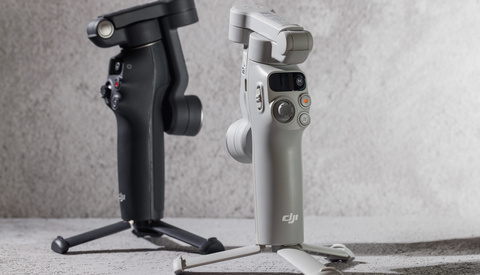
DJI’s latest smartphone gimbal, the Osmo Mobile 7P, marks the brand’s seventh generation of innovative smartphone gimbals, bringing a completely new foldable design that’s even more compact and refined than before. It introduces a couple of pro features that really take content creation to the next level, including the new ActiveTrack 7.0 technology, which pushes three-axis stabilization and intelligent tracking to new heights. Compatible with a range of smart tools, capturing stabilized high-quality footage has never been easier. Judging by the letter “P” in its name and its expanded functionality, DJI seems to be clearly targeting the Osmo Mobile 7P toward pro smartphone videographers.

Why Having a Faster Lens Isn’t Always Better

The recent launch of the Fujifilm GFX100RF has stirred quite a debate in the photography community. Many Fujifilm fans were frustrated by the decision to equip the camera with a fixed f/4 lens instead of a faster option like f/2.8 or even f/2. This backlash got me thinking: does a faster lens always make a camera better? And more importantly, does it help us produce a better image? The more I think about it, the more I realize that the obsession with wider apertures might not be that beneficial for visual output, but rather for bragging rights that often overlook crucial trade-offs.

The One-Camera, One-Lens Travel Experiment: Was It Worth the Risk?

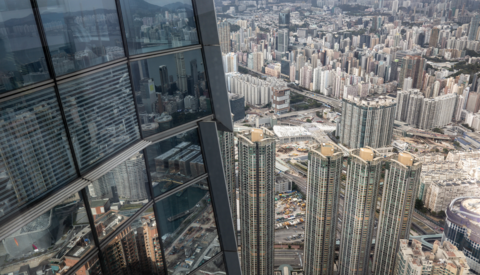
The idea of traveling with just one camera and one lens wasn’t something I decided on a whim for my most recent trip to Hong Kong. If I am being honest, it was mainly inspired by Leica’s design philosophy, Das Wesentliche, or "the essentials," when I read about it a few months back.

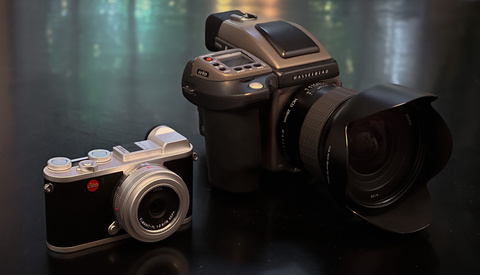
Why Specs Are No Longer an Important Criteria in Choosing a Camera

In today's photography landscape, there is far too much emphasis on hardware and not enough thought about what it’s actually being used for. Discussions among the community often revolve around camera specifications rather than the philosophy and thoughts behind capturing images. Yet, we have long passed the point where more megapixels, higher dynamic range, and extreme ISO performance make a meaningful difference for most users.