Average rating:
4 out of 5 4
4 out of 5 4
- 211Comments
- 2Photos Rated
- 351/1Up/Down Votes
- 11Following
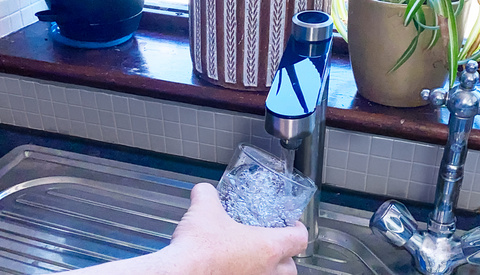
For several years, I have been more and more conscious about what I eat and drink. Gone are the days when I could survive on many cans of fizzy drink, chocolate, and snacks to fuel my photography adventures. I simply can't put my body through it anymore, plus it was having a detrimental effect on my ability to stay sharp and focus on my tasks. Instead, I switched to having water as often as I can during each day, and despite the temptations of the colorful refrigerators in gas stations, I have managed so far to avoid the temptations. Has there been a change? Yes, I can keep going for longer, I don’t feel as bloated, and I have saved money in the long term. But I’ve often wondered if I could do even better.
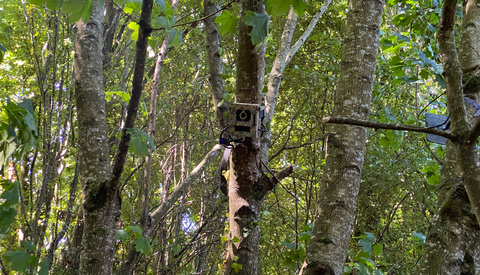
After my previous experience with Reolink’s Go PT Ultra, which I reviewed here, I was curious to see how the company’s new Camovue Talon Pro would stack up in more realistic wildlife conditions. This time, it promised to be more purpose-built for the outdoors, with proper security features, solar charging, and app-based animal detection. Here’s what I found after three weeks of field testing in the Irish countryside.
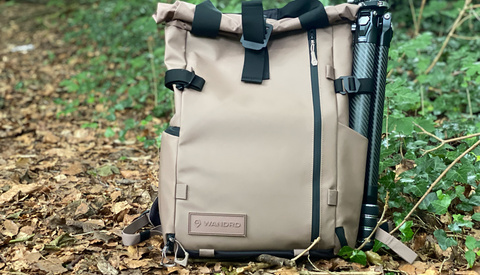
The WANDRD PRVKE V4 has exploded on Kickstarter, hitting its funding goal in under 30 minutes and continuing to climb past expectations. With nearly half a million already pledged, it’s clear this isn’t just another camera bag launch. WANDRD’s latest update to their flagship bag has struck a chord with photographers, filmmakers, and everyday creatives alike. But what exactly makes the PRVKE V4 so appealing, and is it really worth the hype?
Landscape photography is often misled by a pervasive myth: that "perfect conditions" are a must for capturing great images. This belief has caused many photographers to wait for ideal weather or chase forecasts for the best light, missing out on incredible opportunities in the process. However, experienced photographers know that the best images can be captured under any conditions, and waiting for perfection can hold back both creativity and growth.
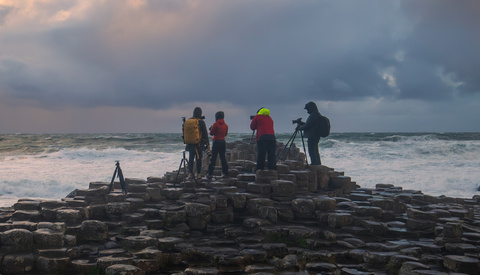
As landscape photographers, we have all been there—tried to get a shot on many occasions and failed for one reason or another. The most frequent reason is that the weather didn't play by the rules we had in mind; however, sometimes it does, and when it does, it makes it all worthwhile. This is my story about persistence and sticking to my guns to get the dream shot.
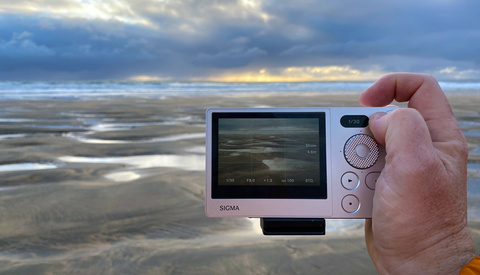
New camera iterations often offer incremental upgrades that don't always align with specific needs. Yet, some cameras break the mold, igniting a genuine sense of intrigue and the undeniable pull of Gear Acquisition Syndrome (G.A.S.). Enter the Sigma BF. This isn't just another camera; its promise of being uniquely good, undeniably quirky, and refreshingly different made it an instant standout.
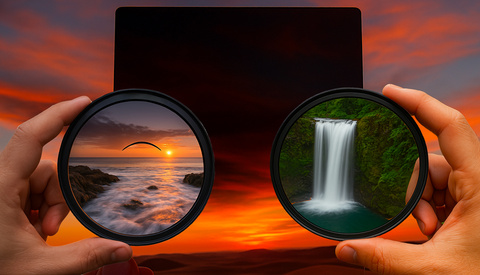
Filters are tools that improve landscape photography by controlling light and enhancing details. They help balance exposure, reduce glare, and boost colors in ways cameras alone can’t. This video and article explain how to use graduated neutral density (ND) filters, polarizers, and UV filters effectively, with practical examples to show their impact.
Composition is one of the most talked-about aspects of landscape photography. You hear it everywhere: follow the rule of thirds, use leading lines, balance your frame. These principles are undeniably useful, but the problem is that they are often treated as absolutes rather than guidelines. The notion that there is a single "perfect" composition is one of the most pervasive myths in landscape photography, and today, we will break it down.
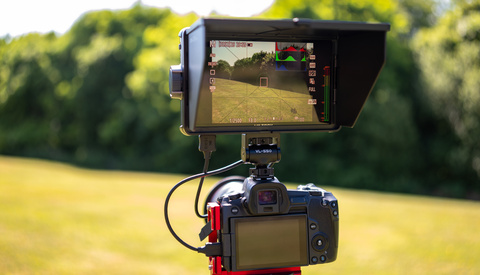
Do you struggle to see your camera screen in bright light or fine-tune critical focus? This compact tool might be the simplest upgrade to transform how you shoot in the field, without changing your camera. Here's why a 7-inch external monitor could be the piece you didn’t know you were missing.
I’ve been watching YouTube for well over two decades now, and along the way, there are a few creators who’ve genuinely stood out—not just because of their content, but because of the consistency, the heart, and the effort they put into every upload. One of those creators is Luke from Outdoor Boys. If you’re reading this and you’re among the nearly 15 million people who’ve subscribed to his channel, then you already know the kind of energy and passion he brought to every single video.
One of the most debated topics in landscape photography is the role of editing. While some photographers firmly believe that an image should reflect the reality of the scene, others see post-processing as a critical creative tool that allows them to express their unique vision. The central question becomes: where do we draw the line between enhancement and deception?
Landscape photography often carries a widespread myth—the belief that bad light equals bad photos. Many photographers, especially those starting out, follow the conventional wisdom that only certain times of day, particularly golden hour, produce the best images. This belief has been perpetuated by social media, tutorials, and even some photography experts. But here’s the truth: the myth of “bad light” is limiting, and it’s holding you back from expanding your creative potential.
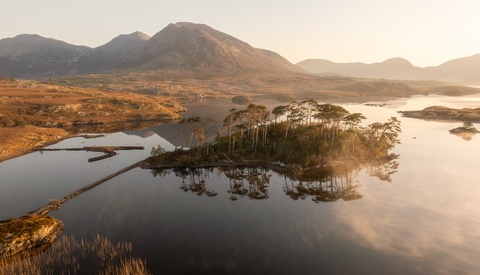
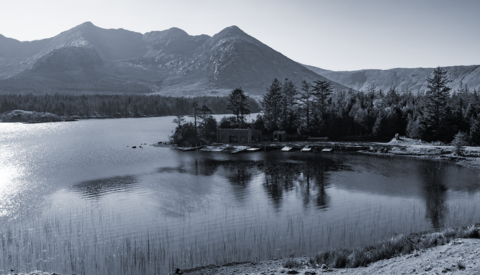
Some locations get overlooked because they seem too familiar—but every so often, a photographer comes along and shows you just how wrong that thinking is.
I’ve spent some time testing the Reolink Go PT Ultra to see if it’s a viable option for use as a remote wildlife camera, particularly in woodland areas. With 4K video, pan/tilt control, and 4G connectivity, it looked promising on paper. In practice, the footage quality is superb, but the battery performance in real-world conditions—especially shaded woodland—is a significant limiting factor.
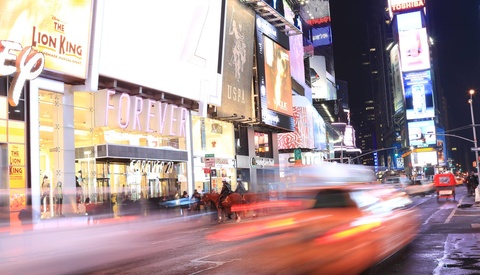
Long exposure photography is one of the most effective ways to convey movement in a still image. Whether it’s the soft blur of flowing water, the streaking motion of clouds, or the hypnotic trails of city lights, long exposure transforms scenes into something beyond what the human eye can perceive.
In landscape photography, inspiration can come from many sources. Over the years, I’ve found that studying the work of other photographers—whether through social media, books, or in-person interactions—has been invaluable in refining my own style. But rather than passively consuming images, I approach them critically, dissecting what makes an image stand out and how I can apply similar principles in my own way.
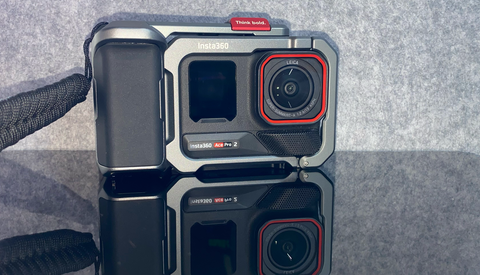
Insta360 has introduced a new set of accessories designed to enhance the Ace Pro 2. If you already own this 8K AI-powered action camera, the Xplorer Bundle offers an upgraded shooting experience. Featuring a dark gray Xplorer Grip Kit, co-developed with Tilta, this bundle is optimized for street photography, travel, and urban exploration. With a sleek modern look and vintage-inspired design, it refines both the functionality and protection for your Ace Pro 2.
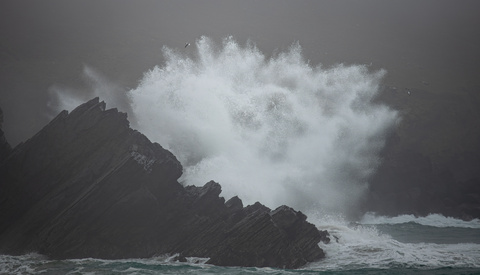
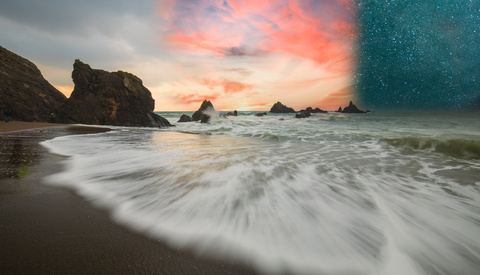
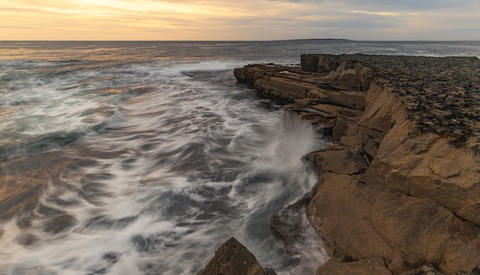
Seascape photography isn’t just about showing up at the right location with good light—it’s about knowing exactly when to press the shutter. Capturing the ocean in a way that feels dynamic and intentional isn’t just about where you stand—it’s about when you click the shutter and how long you leave it open.
Is it just me, or has there been a seismic shift in how people consume landscape photography—and even how they approach it?