Michael Rudzikewycz's picture
Average rating:
3.7 out of 5
3.7
Michael Rudzikewycz
Bethlehem, PA

Articles written by Michael Rudzikewycz

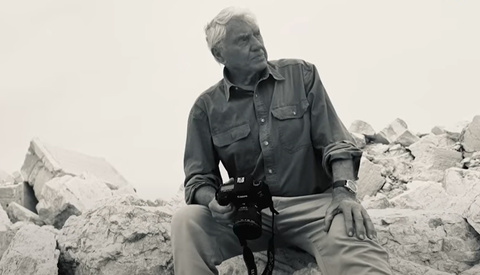
Don McCullin: Palmyra and What War Destroys

Few photographers have stared into the heart of conflict like Sir Don McCullin. For more than two decades, his black-and-white images defined what it meant to document war. Stark, empathetic portraits of soldiers, civilians, and refugees caught in the chaos of Vietnam, Cyprus, Biafra, and Northern Ireland with his unglamorous photographs. They were raw, human, and often unbearable to look at because they demanded that viewers confront the cost of violence.
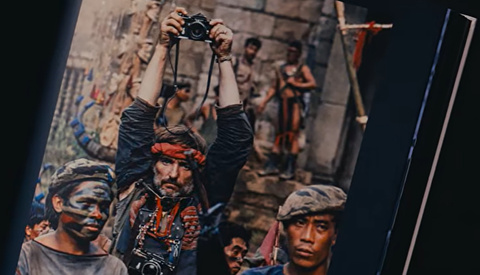
Chas Gerretsen: War Photographer Goes to Hollywood

Renowned Dutch photojournalist Chas Gerretsen is best known for his raw and emotional war photography captured during the Vietnam War and the hostile and violent political turmoil in Chile. However, his career took an interesting turn when he found himself exhausted from covering global conflicts. This turn took him to Hollywood, where he would use his skills sharpened on the battlefield and bring them to the movie set of Francis Ford Coppola's 1979 film, Apocalypse Now.

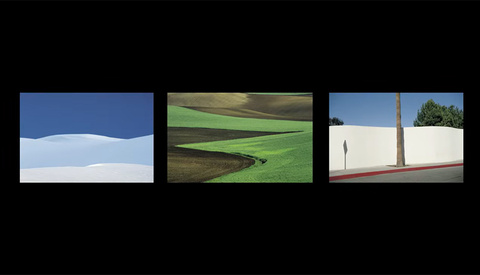
Franco Fontana’s World of Bold, Abstract Color

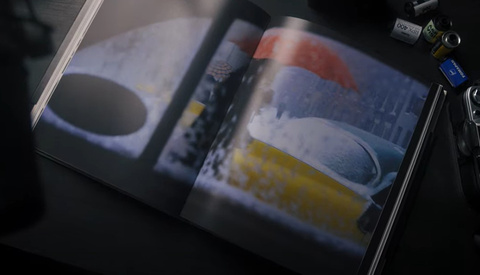
Franco Fontana, born in Modena, Italy, is a photographer who built his career on a simple—but, at the time, radical—approach to photography: the use of color. At the time Fontana was working his way through the art world, black and white photos dominated the medium.

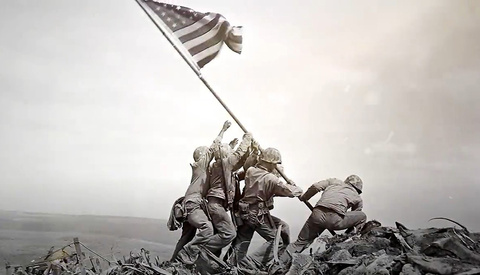
Joe Rosenthal: The Man Behind the Iwo Jima Flag Raising Photograph

On February 23, 1945, during the Battle of Iwo Jima, six men—five U.S. Marines and a U.S. Navy corpsman—raised an American flag atop Mount Suribachi. Joe Rosenthal, a photographer with the Associated Press, happened to put himself in the right place at the right time. With one click of the shutter, he captured a fleeting moment of unity and grit that would echo far beyond the war: the raising of the U.S. flag on Iwo Jima.

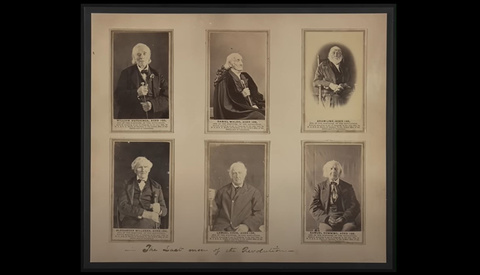
A Connection to the Past: The Most Important Role of a Camera

As photographers, we can often get lost in the art of composition, lighting, and creative expression. We love the challenge of capturing a scene that tells a story, evokes an emotional response, or simply looks stunning. But beyond a camera's function as a creative tool, its most important role is its ability to preserve memories and offer a connection to the past.

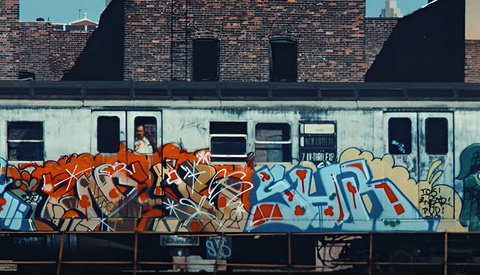
Many Saw Vandalism, She Saw Art

Photographer Martha Cooper has made a lasting impact on both the world of photography and the art world as a whole. Renowned for her documentation of urban street art and graffiti culture, Cooper's career reflects her deep passion for storytelling and her remarkable ability to capture everyday moments. Her work transcends photography, serving as historical records of cultural movements.

Born in Baltimore in 1943, Cooper began her career as a photojournalist, working for various news outlets. However, it was her groundbreaking book, Subway Art, co-authored with...

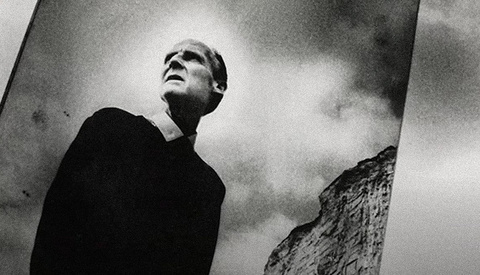
Bill Brandt: Illuminating the World

Bill Brandt, a notable photographer of the 20th century, left a lasting mark on the world of photography. This German-born photographer's contribution to photography was his ability to elevate the mundane and the ordinary into something extraordinary. Whether on the streets of London during the blackout of World War II or in the stark landscapes of northern England, Brandt had a keen eye for uncovering the poetic and the surreal in the everyday.

Saul Leiter's Innovation and Timelessness

Saul Leiter, an American photographer and painter, is now widely regarded for his pioneering work in color photography. Although he initially pursued a career in painting, Leiter’s introduction to photography came in the early 1940s when he moved from Pittsburgh, Pennsylvania, to New York City. Here, he befriended Richard Pousette-Dart, an Abstract Expressionist painter and an early adopter of photography. Encouraged by Pousette-Dart, Leiter began to explore photography, soon finding a passion that would redefine his artistic career.

In What is Left Unsaid: Photography, Ink Painting, and Empty Spaces

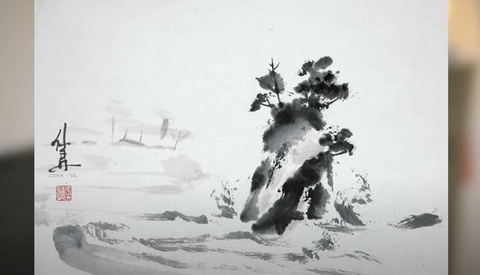
Creativity thrives on diversity. As artists, it's natural to seek inspiration within our own medium of photography. However, the true magic often happens when we venture beyond the boundaries of our craft and explore the vast landscape of other artistic realms. Finding inspiration in areas outside of our primary medium not only enriches our work but also expands our perspectives and nurtures our creativity in unexpected ways. For example, photographers may find themselves captivated by the rhythmic brushstrokes of paintings. In this context, the Japanese ink painting known as Sumi-e is a source of inspiration.

The Art of Stills Photography on Movie Sets

Stills photography on movie sets is a specialized and vital aspect of the filmmaking process. While the primary focus during film production is on capturing moving images, stills photographers play a crucial role in documenting the creation of a film and providing essential marketing material. Their role involves capturing high-quality images of the actors, key scenes, and behind-the-scenes moments during the filming process. These photographs are used for various purposes, including promotional materials such as posters, press kits, and social media content. They help build anticipation for the film and provide a visual narrative that complements the moving images.

The Parallel Visions of Mark Rothko and Hiroshi Sugimoto

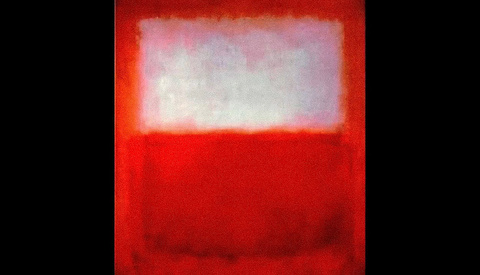
Abstract expressionist painter Mark Rothko and photographer and contemporary artist Hiroshi Sugimoto, though working in different mediums, exhibit strikingly similar artistic sensibilities. Both artists engage deeply with abstraction and the exploration of perception, creating works that transcend their physical forms and can evoke profound emotional and philosophical responses from viewers. Rothko is known for his large-scale color field paintings, while Sugimoto creates photographs that appear simple in approach but capture a sense of stillness in our surroundings.

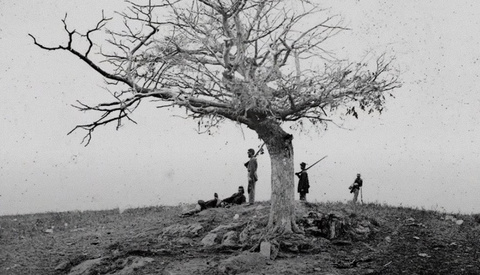
Battle of Antietam: Bearing Witness Through the Lens of History

The Battle of Antietam, fought on September 17, 1862, near Sharpsburg, Maryland, was a pivotal engagement during the American Civil War and remains the single bloodiest day in American military history, with over 22,000 casualties. The battle also prompted President Abraham Lincoln to issue the Emancipation Proclamation, shifting the focus of the war to one of emancipation and forever altering its course.

Capturing Humanity Through the Lens: Kevin Carter

In 1993, Kevin Carter, a South African photojournalist, etched his name in photography history with one poignant image that encapsulated the harsh realities of the world. The iconic photograph, "Vulture and the Little Girl," stirred emotions, sparked debates, and shed light on the famine-stricken Sudan. However, it also plunged Carter into the depths of controversy, with this photograph revealing the complexities and ethical dilemmas surrounding shocking photography.

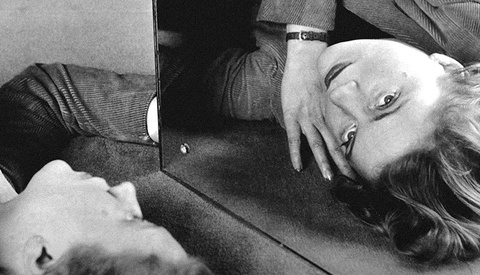
Lee Miller: From Model to Photographer

Lee Miller, an artist and pioneering photographer, left a mark on the world of photography and the broader art scene. Her creativity and a keen eye for capturing the essence of moments, have solidified her place as a trailblazer in the field.

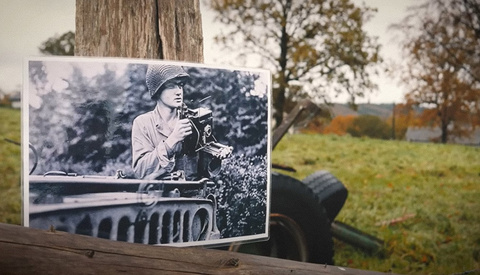
His Last Photograph on the Last Day: Hugh F. McHugh

In the waning days of World War II, the German army unleashed a massive, surprise attack on the Allied forces in the Western Theater with the hope of extending the lifeline of their military forces. This attack created a bulging salient in the Allied lines along the Ardennes Forest in Belgium. This battle, forever known as The Battle of the Bulge, lasted from December 16, 1944, to January 25, 1945, and is considered by historians as one of the largest land battles the United States ever engaged in. In the chaos of all this, US Army Signal Corps photographer, Hugh Francis McHugh, would be there to document the battle. Sadly, it was here on the snow-filled fields, on the last day of the battle, where McHugh would capture his last photograph.

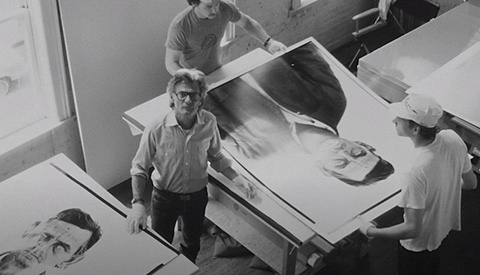
The American West and Richard Avedon

In the early 1980s, famed fashion and portrait photographer Richard Avedon embarked on a project to create a collection of portraits that aimed to depict the people of the American West in a raw and unembellished manner. With this project, "The American West," his intention was to move away from the glamorous world of fashion photography and instead focus on the everyday individuals who inhabited the American West.

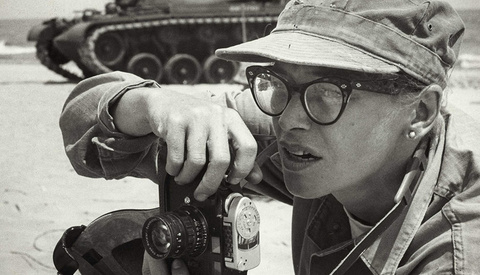
From the Second World War to Vietnam: The Photographs of Dickey Chapelle

In the world of combat photography, there have been countless individuals who have risked their lives to document the harsh realities unfolding in front of them. Among these brave photographers, one name stands out with a unique legacy – Dickey Chapelle. Born Georgette Louise Meyer on March 14, 1919, in Milwaukee, Wisconsin, and adopting the nickname Dickey from a childhood friend, her remarkable journey not only left behind a trove of iconic images, but also paved the way for generations of photojournalists to follow in her footsteps.

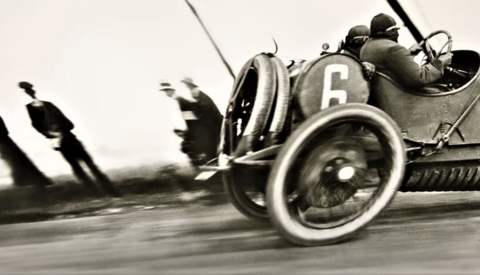
Photographer Jacques Henri-Lartigue and Wes Anderson

Photography has always been a medium to preserve moments and memories, but for some artists, it serves as a source of inspiration and a window into the past. One such artist is the renowned filmmaker Wes Anderson, known for his distinct and visually captivating cinematic style, which draws upon the work of French photographer Jacques Henri-Lartigue to infuse his films. While the two artists work in different visual mediums, Henri-Lartigue's photographic compositions and Anderson's cinematic worlds share distinct visuals capturing a sense of joy and playfulness.