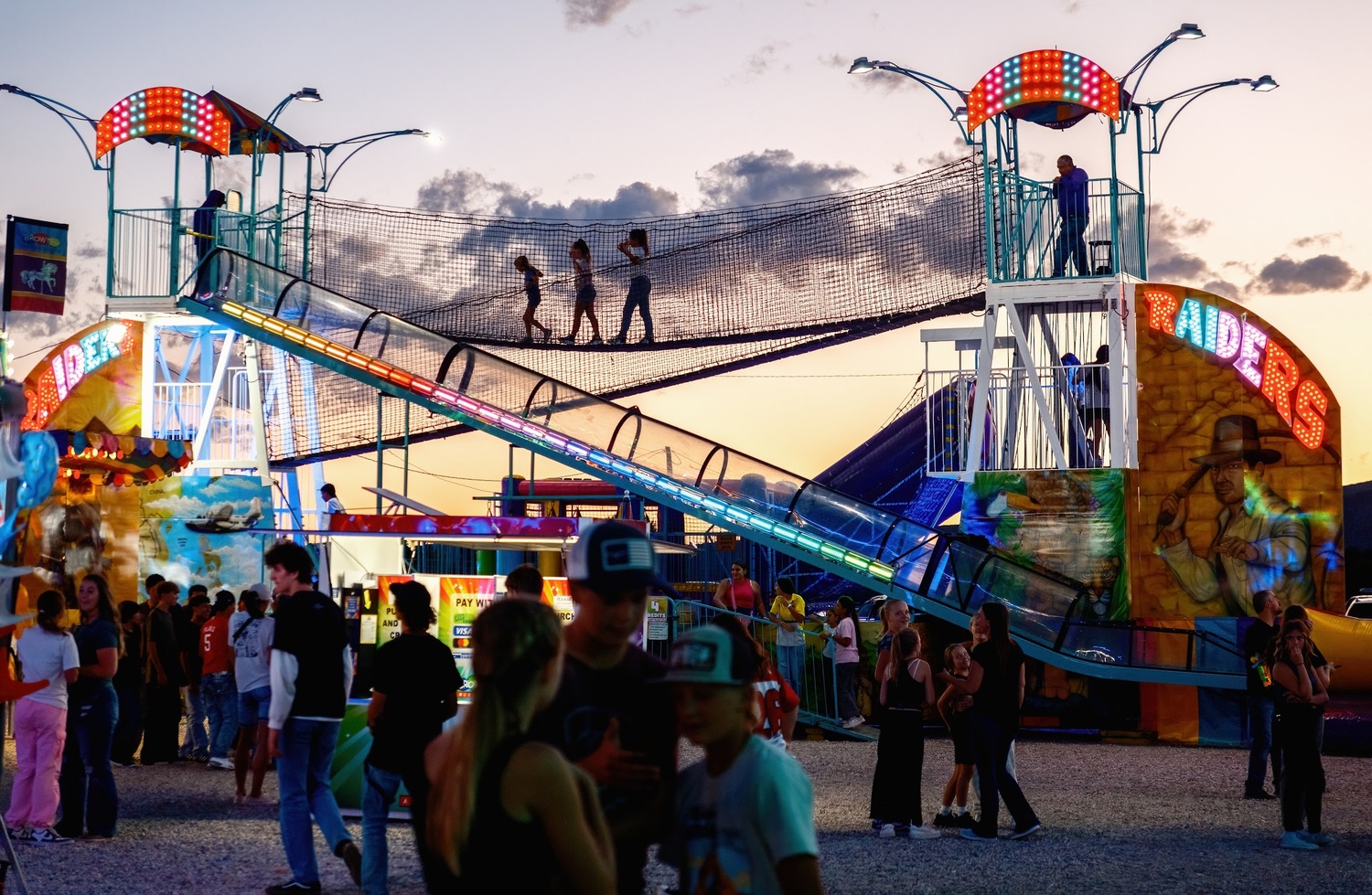
The smell of fry bread and livestock hits you first at the Sanpete County Fair. Kids in dusty boots weave through the crowd with ribbons in hand, 4-H leaders shout instructions over the hum of the rodeo announcer, and the late-afternoon sun cuts sharp shadows across the midway. I’ve covered this fair more times than I can count, and every year it reminds me how different small-town assignments are from the big-city work that dominates so much of the photography conversation.
Although I grew up on the West Coast, I moved to rural Utah two decades ago and began working for a 130-year-old rural weekly newspaper. Out here, there are no media pens. No celebrity handlers telling you where you can and can’t stand. There’s just a crowd of people who all know you and probably know exactly what you had for breakfast.
In rural photojournalism, that familiarity is both a blessing and a test. You can’t hide behind a press pass. You get access because you’ve earned it slowly, over years of showing up to everything from school board meetings to branding days on local ranches. It’s not about dropping in for a quick hit and disappearing. People expect to see you again.
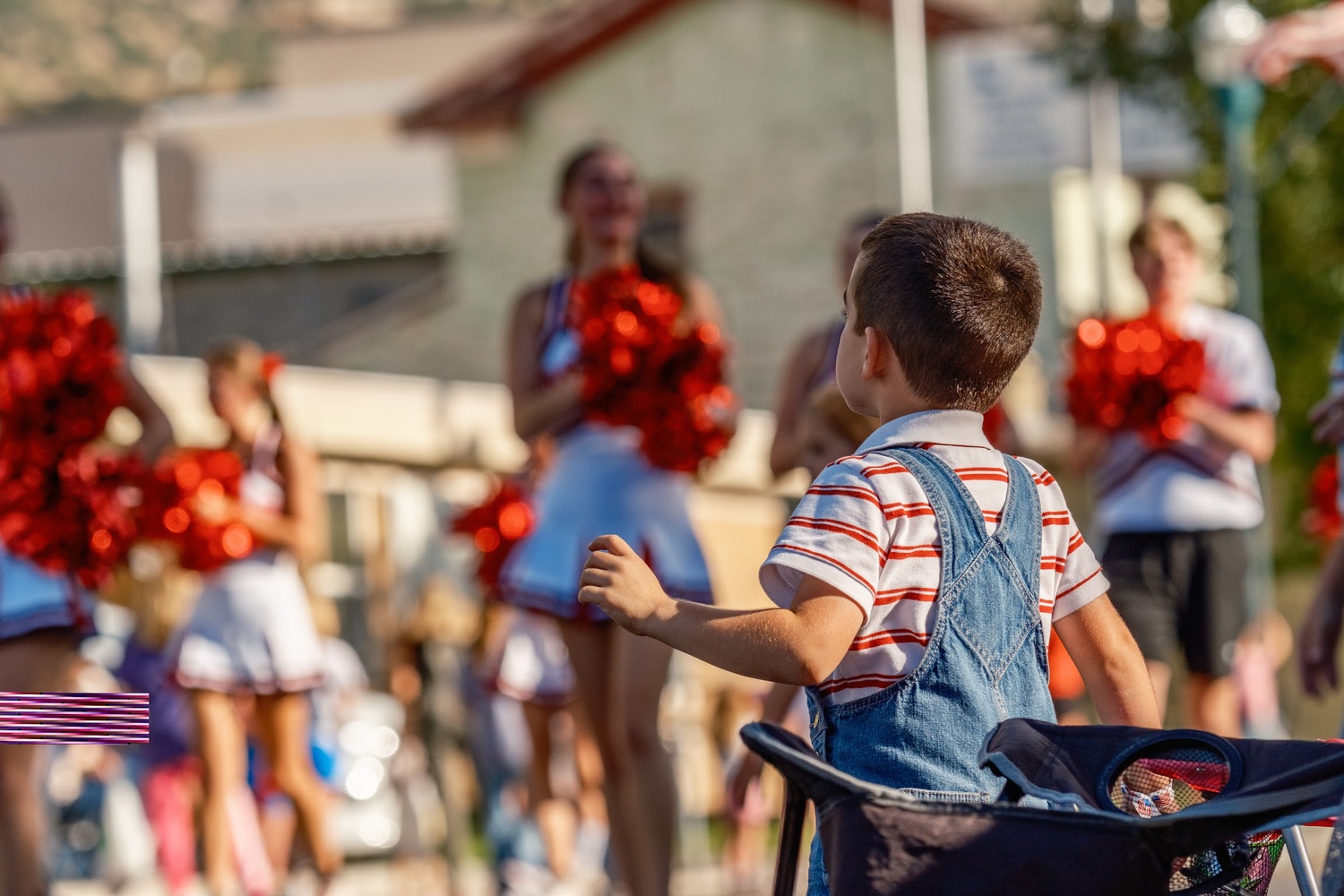
When you work in a small town, you also learn pretty quickly to make do with what’s on hand. If a light stand breaks mid-shoot, there’s no rental shop down the street. I’ve taped a speedlight to a fence post, bounced light off a sheet of tin pulled from a barn roof, and shot portraits in a snowstorm with my parka sleeve wrapped around the camera to keep it alive. You get creative, or you go home empty-handed.
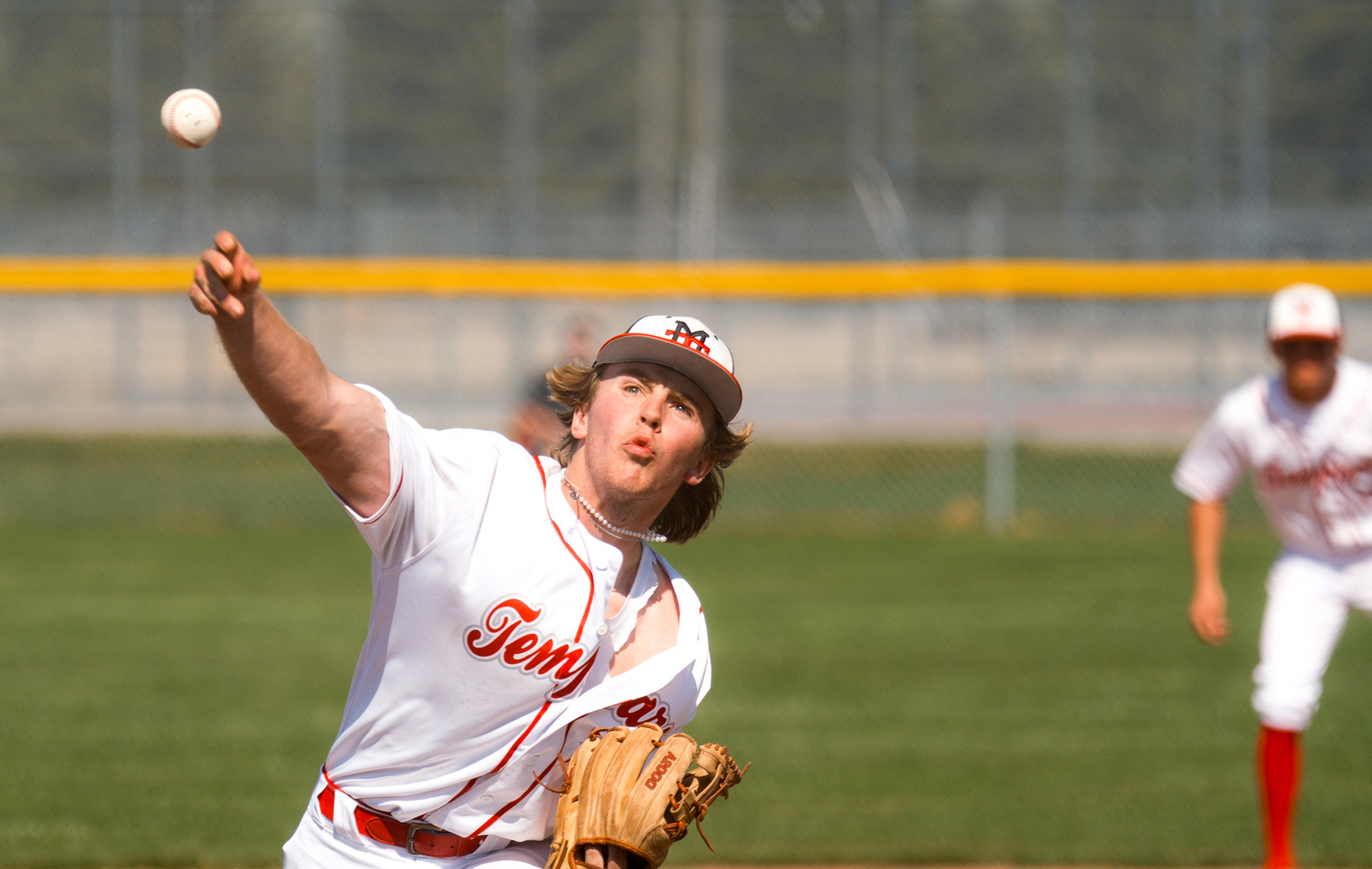
The stories you tell are different too. There’s no skyline, no political motorcades, no front-row seats at an arena show. The moments worth capturing are quieter—maybe a veteran receiving a medal in his kitchen, a calf being bottle-fed in the morning light, or a volunteer sweeping a basketball court before a charity game. If you’re paying attention, those details can sometimes speak louder than the most dramatic cityscape.
Another thing: In a small town, you’re rarely just the photographer. You might be asked to help set up chairs, carry boxes, or judge the pie contest. And while you’re doing that, the shot you’ve been waiting for might happen right in front of you. Balancing being part of the moment with documenting it is its own skill.
Reputation is everything here. People remember how you treated them, sometimes for years. When I opened my portrait and event photography studio in addition to my newsprint work, the goodwill I had built up over time as the local newspaper guy went a long way toward boosting that business into some early successes. I’ve landed work because someone’s aunt liked the way I photographed her husband’s retirement party half a decade ago. I’ve also had to smooth things over when someone didn’t like a photo I published. Word travels fast, for better or worse.
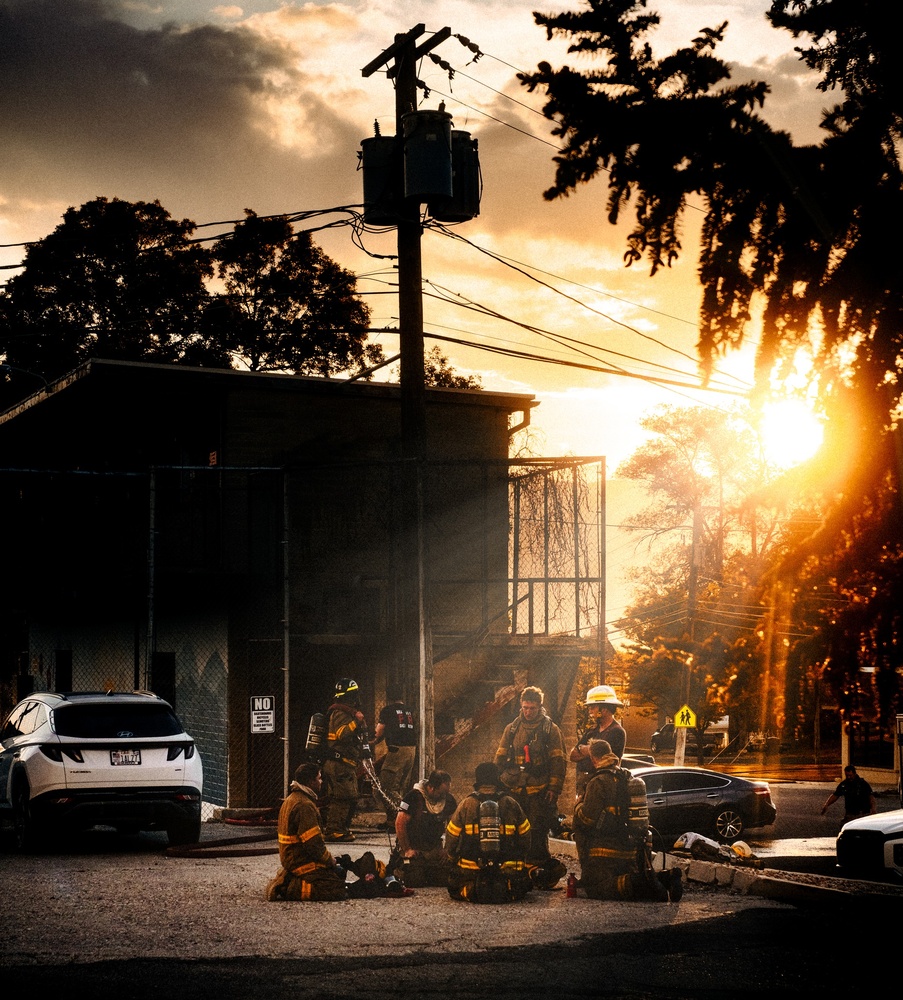
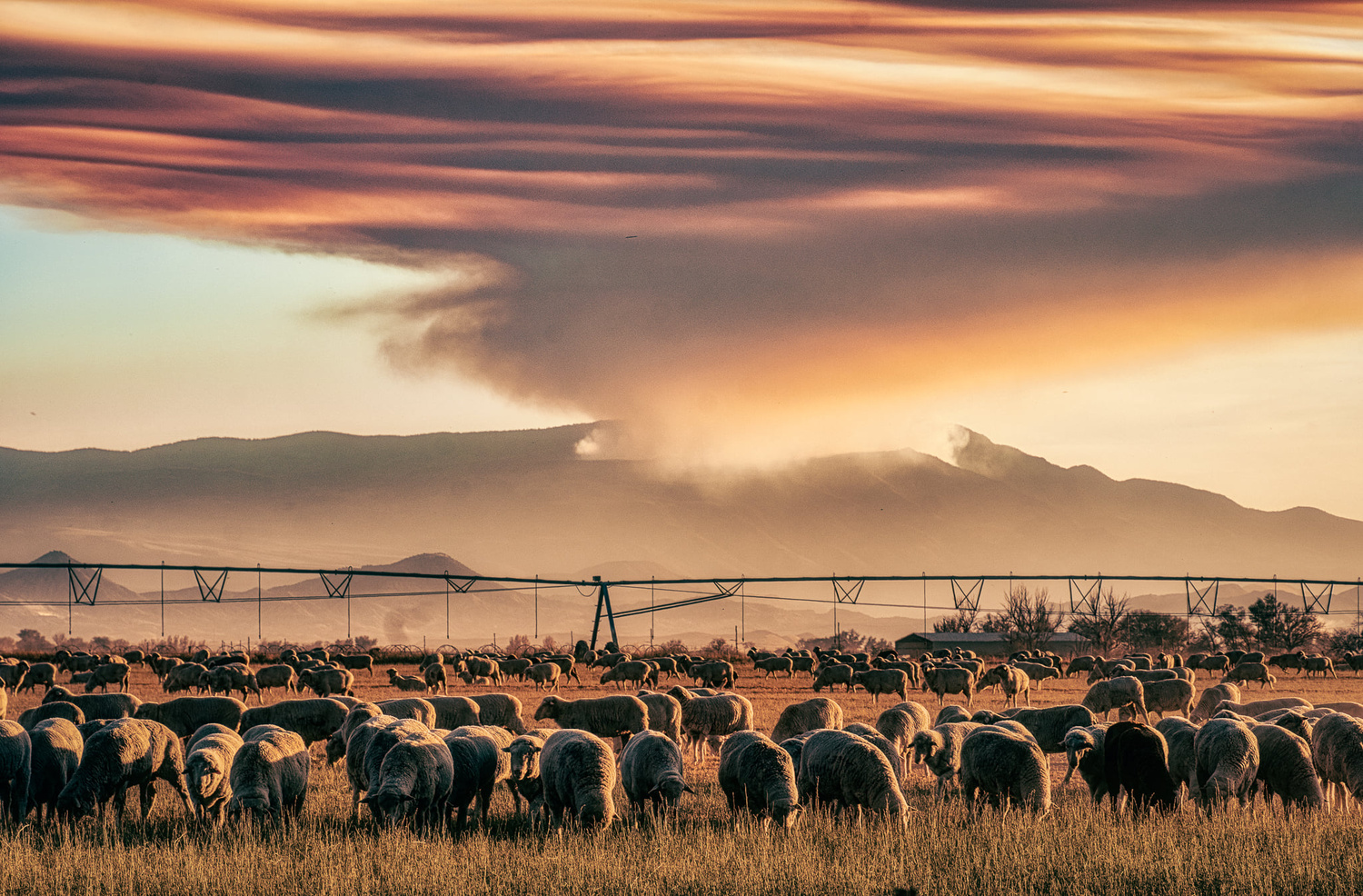
If you’re used to shooting in the city, a rural assignment might feel slow at first, but it’s not all relaxed. Covering wildfire in rural Utah is no joke, but the rest of the time the rural workflows force you to adapt in ways that will make you better anywhere, such as working without backup, seeing the beauty in the ordinary, and making connections that go deeper than a quick handshake.
If you get the chance, take one. Go to a county fair, a school board meeting, a volunteer fire department pancake breakfast. Don’t just aim your lens. Talk to people, listen to their stories, and be part of the room. When you get back to your usual work, you might find you see things differently.