Why The Ranch Is One of Photography’s Most Authentic Stages
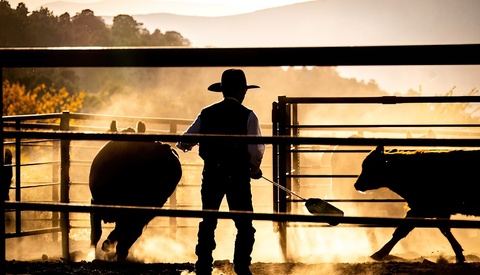
I’ve spent years photographing in rural Utah, and one of the most rewarding, overlooked subjects I’ve found is the working ranch.
The Canon EOS R5 has quietly become one of the most beloved wildlife cameras of the past five years, delivering a combination of resolution, speed, and autofocus performance that seemed impossible just a decade ago. After half a decade of real-world use, this camera continues to prove its worth in the field, capturing images that showcase both its technical capabilities and the artistry of those behind the lens.
Wildlife photography doesn't have to drain your bank account, but choosing the right gear matters if you want professional-quality images without massive expenses. You probably want great shots without spending thousands on top-tier lenses and cameras, and luckily, solid options are out there.
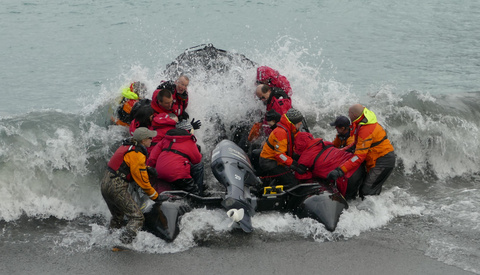
I work in some pretty extreme environments. Day to day, I'm hopping on and off boats, climbing steep grades, and walking on some very slippery surfaces. Some days we're climbing mountains or glaciers, walking on shale beaches, dodging fur seals, watching out for polar bears, or even driving zodiacs. I'm also responsible for helping my guests navigate many of these same obstacles. On top of all this, I need to be ready at a moment's notice to snap a breaching whale, sparring polar bears, a mobbed eagle, or a leopard seal degloving a penguin. How? With help from Peak Design's Capture Clips.
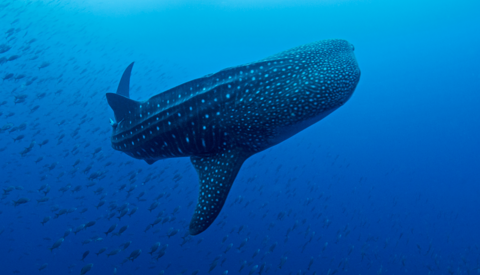
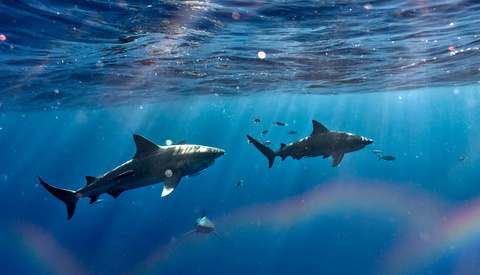
Why do we take photographs? Is aesthetic beauty the only value to photography? Can we use our tools and talents to create something with a deeper purpose? Although there are those who may disagree, objectively, our planet is in trouble. Let's consider, then, whether photography can save the world. I'm going to start with our oceans, where I'll specifically consider Galapagos Whale Shark Project and its goals to understand and protect whale sharks. I want to think that photography can help to save the world.
Want to take better wildlife photos without spending a load of cash? This photographer shares a series of smart, surprisingly simple tips that can dramatically improve your images—and your experience in the field. And yes, they’re all completely free.
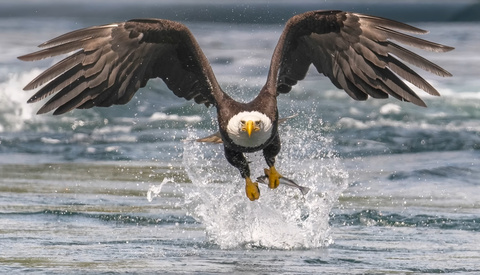
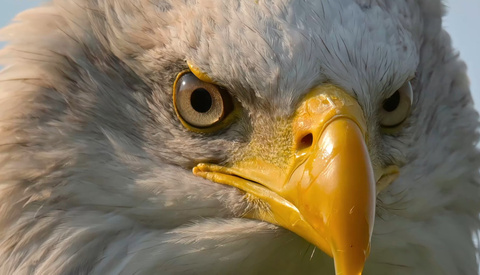
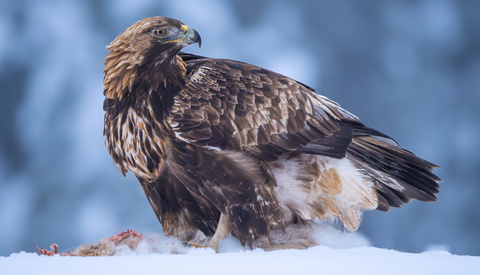
Photographing eagles requires patience and precision, and understanding how to adapt quickly in changing conditions makes all the difference.
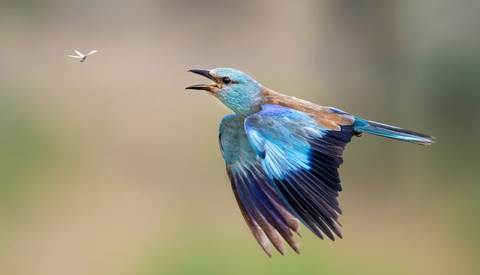
Bird photography is more complicated—and more rewarding—than you might expect. From unexpected hours spent waiting in unbearable conditions to moments where the world narrows down to you and the perfect subject, the process stretches far beyond gear and technique.
Taking sharp wildlife and bird photos isn't easy, and understanding exactly why your images aren't crisp can be frustrating. Tackling the top reasons behind blurry wildlife shots can drastically improve your work, giving you the clarity you're after and making your images pop.
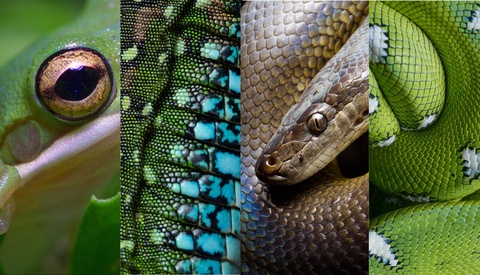
From a frog smaller than a fingernail to a crocodile longer than a boat, here are 10 tips that I remind myself of while photographing herps.
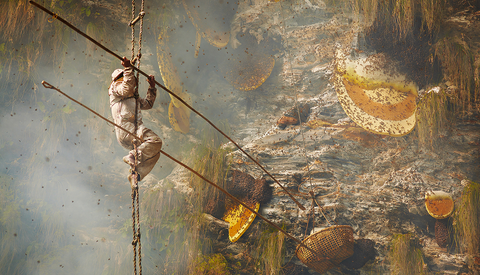
Photography is an art form, but it can also be a powerful vehicle for social change. With the stability of our global food supply threatened by the startling collapse of bee colonies, one photographer is using his work to raise awareness of their plight and the consequences of neglecting it.
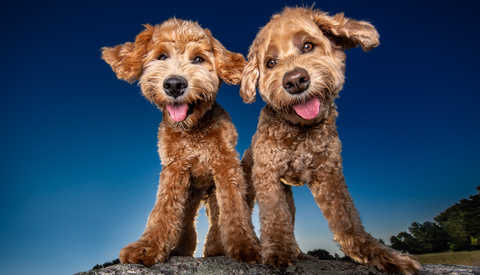
Some photographers view the craft of photography as a creative pursuit that enriches their lives on a deeply personal level, while others are motivated by income or social media attention. Some are driven to use their cameras to effect change. Self-proclaimed “dogtographer” Kaylee Greer is one such person who uses photography to tell the story of shelter dogs in search of a loving home.
I’ve spent some time testing the Reolink Go PT Ultra to see if it’s a viable option for use as a remote wildlife camera, particularly in woodland areas. With 4K video, pan/tilt control, and 4G connectivity, it looked promising on paper. In practice, the footage quality is superb, but the battery performance in real-world conditions—especially shaded woodland—is a significant limiting factor.
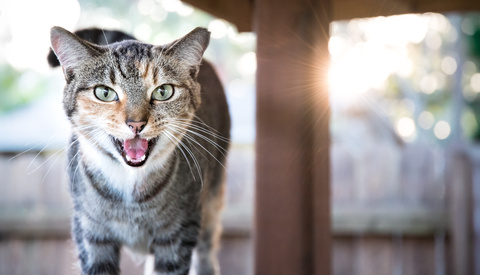
In my first portfolio review, my critic was drawn to the cat photos, “because I know how hard that is,” he said. I didn’t let on that it’s not so hard. I volunteer at a local shelter and have learned a trick or two. And it turns out that best practices for cats also apply to dogs, horses, birds, and, come to think of it, people.
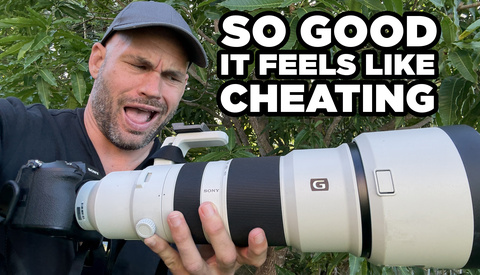
I've been a professional photographer for 23 years and I've never been interested in or attempted wildlife photography. All that changed when Sony sent over the a9 III and their brand-new FE 400-800mm f/6.3-8 G OSS Lens. This gear, and this genre of photography has renewed my love for photography, but it's also got me worried.
Two men in upstate New York have pleaded guilty to a wildlife poaching scheme that involved posing as a female wildlife photographer on social media. The duo used the fake profile to befriend real photographers, gaining inside information on the locations of large deer in no-hunting zones.
Finding the right location can be the difference between frustration and incredible shots. Birds and wildlife follow predictable patterns, but if you don’t know where to look, you’ll miss out.
Heat haze ruins sharp images, and you might not even realize it’s happening. You can have the best lens, perfect settings, and great timing, but if you’re shooting through too much turbulent air, your images will come out soft. Wildlife photography is especially vulnerable to this problem, and if you’re shooting at long distances, the effect is even worse.
Wildlife photography often demands a significant investment in gear, especially when choosing between two of the most versatile telephoto lenses: the 400mm f/2.8 and the 600mm f/4. Each has its strengths, but finding the right fit depends on your shooting style, subjects, and typical distances.
Sharks, crocodiles, snakes—these are my favorite photography subjects. I am constantly asked why.
Ever wonder what it’s like to do bird research in the Amazon jungle?
The best thing about the internet is that there are so many sources of photography education out there. The worst thing about the internet is... that there are so many sources of photography education out there. So how do you sort facts from lies told so often that they’ve acquired the status of fact?
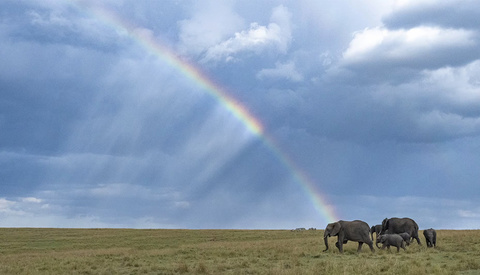
Wildlife photography in the rain offers opportunities you won't find in fair weather. The atmospheric mood, unusual animal behaviors, and transformative effect of rain on landscapes can make your images stand out. Beyond the challenges of staying dry, rain brings scenes to life in ways that fair weather simply cannot, adding depth and story to your photos.
Are you kind? That sounds like an odd question to ask in a photographic article, but it impacts your work profoundly. However, there is one circumstance where you should be mean to other photographers.
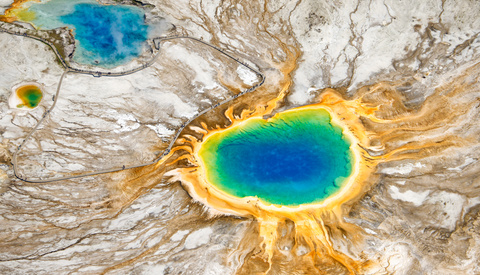
For nearly 30 years, Canon U.S. has partnered with Yellowstone Forever, and I recently received a beautiful photography book based on Yellowstone National Park and Canon's short film "Seismic." In this article, I interview two of the amazing creators behind this project.
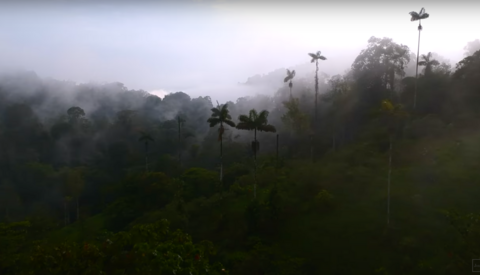
In the heart of Ecuador's Chocó rainforest, a mission to save the critically endangered brown-headed spider monkey unfolds. Led by conservation photographer Jonas Paurell, this gripping documentary captures the raw beauty and challenges of rainforest conservation.
Ethical wildlife photography is crucial for preserving ecosystems and animal welfare.
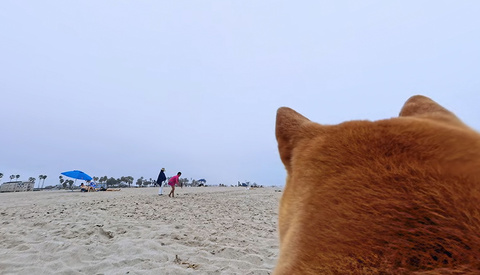
Venice Beach, California, is a vibrant place, perfect for capturing spontaneous moments. Kimchi, our furry guide, takes you on an amusing VR adventure through this iconic location.
Should you use crop mode on your camera? This helpful video takes a close look.