
Every few months, the internet decides that “this” is the future of cameras. Lately, that “this” is global shutter—a sensor that reads the entire frame at once, promising zero skew, perfect flash sync, and freedom from LED banding. It’s impressive technology, but for most photographers and hybrid creators, it isn’t the upgrade that moves the needle. Here’s why, plus how to get clean, professional results right now with the gear you already own.
1. Fast-Read Sensors Already Fix 95% of Real Problems
Modern stacked sensors read out so quickly that the rolling-shutter artifacts people fear, like leaning buildings on quick pans, wobbly verticals, and rubbery whip moves, rarely show up in everyday work. Portraits, weddings, travel, lifestyle, product, interiors, landscapes, corporate events: these genres don’t push the sensor the way stunt tests do.
What matters more than the badge on the sensor is how you and your subject move. Good hand technique turn slight wobbles into steady frames at practical shutter speeds. Even for fast action, the short readout times mean the “jelly” you sometimes see in torture tests is largely absent from footage you’d actually keep in a finished edit.
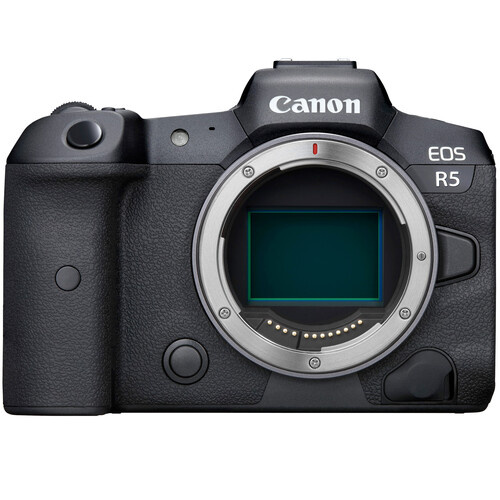
How to win without it: Favor electronic first-curtain for stills when you need quiet and responsiveness, and mechanical shutter when the scene includes aggressive artificial lighting or fast-moving geometry. For video, avoid whip pans you wouldn’t keep. Compose like an editor, not like a torture test.
2. LED Banding and Flicker Are Solvable With Settings You Already Have
One of global shutter’s big promises is “no banding under LED.” Great, but so does using the tools built into most current bodies. Anti-flicker shot timing for stills fires the exposure during the bright phase of the lighting cycle. High-frequency flicker scan (or fine shutter-angle control) for video lets you match sensor readout to the light’s refresh so bands vanish.
The physics are predictable, which is good news for repeatable setups. In the U.S., many fixtures use 60 Hz mains power; safe shutter angles often live near 180°, and common “fix” values like 172.8° or 144° can clean up stubborn displays. Some LEDs use high-frequency PWM drivers instead, so your body’s high-frequency scan mode becomes the fastest path to a clean signal. Mixed lighting? Prioritize the dominant source (court lights, stage wash, billboard) and expose for faces; a few frames of testing beats an hour of post.
Bake solutions into your camera so you don’t have to remember them. Create a “Gym/Arena” stills bank with anti-flicker enabled and mechanical shutter selected, and a “LED Video” bank with your preferred frame rate and a stepped shutter angle ready to nudge. When you arrive, fire three test frames or a 5-second clip at default, then at your two backup values. If they’re clean, you’re done; if not, you already have the next best answer under your thumb.
How to win without it:
-
Stills: Enable anti-flicker.
-
Video: Start at a 180° shutter; if you see bands, nudge to familiar fixes like 172.8° or 144°. Prioritize the dominant light source in mixed setups.
-
General: Keep an eye on live view; if banding appears, adjust shutter before you touch ISO or aperture.
3. Flash Advantages Are Niche for Most Jobs
Global shutter can sync flash at very high speeds without resorting to high-speed sync. That’s huge for some shooters, but not for most. Weddings, portraits, corporate, product, and editorial are usually served well by standard sync speeds, off-camera placement, and a bit of ND when you want shallow depth of field in daylight. HSS flash is a perfectly fine tool for environmental portraits where you need to keep f/2–f/2.8 while controlling the sky.
In studio, short flash duration freezes motion far more elegantly than brute-force shutter speeds, and leaf shutters on certain lenses provide quiet, high-speed sync without changing camera systems. The bottom line: there are multiple mature paths to clean, controlled light without buying into a pricier global-shutter body for the privilege.
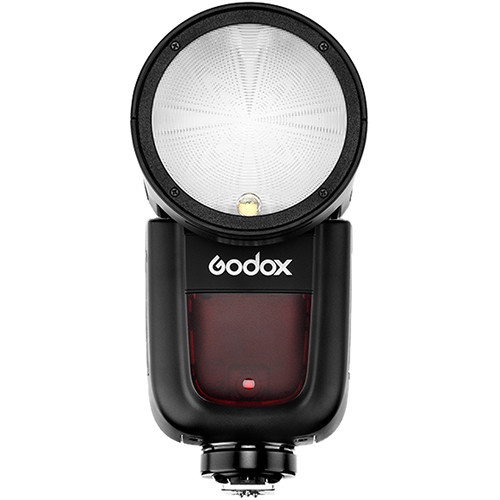
How to win without it: Use HSS for outdoor shallow-DOF portraits or add a 3-stop ND. Move lights closer to the subject for efficiency, and use flags and negative fill to shape with intention instead of brute-force flash power.
4. Your Budget Works Harder on Lenses, Light, and Support
Even if a global-shutter body fits your style, the opportunity cost is real. Dollars sunk into a halo body often yield fewer keepers than dollars spent on tools you’ll notice in every frame: a dependable 24–105mm f/4 that balances well, a 100–400mm that actually leaves the house, a small flash and soft modifier that fix indoor shots, a travel tripod you won’t dread carrying, and a strap that keeps you comfortable for 10,000 steps.
The payoff is cumulative. A lighter, well-balanced lens lowers your minimum “safe” shutter speed, which lowers ISO, which raises file quality. A compact light means you stop accepting ugly mixed lighting and start creating the look you want. A tripod you actually carry encourages a dawn session you might have skipped, which yields the shot that anchors the series. None of these improvements rely on a particular readout mode; all of them appear in galleries and on client walls.
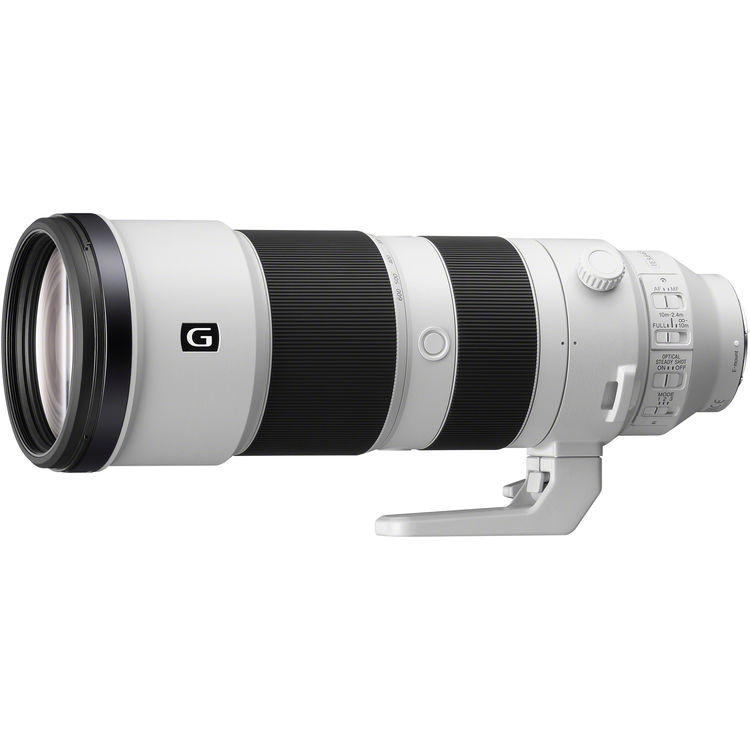
How to win without it: Build a kit that prioritizes balance and range over raw speed. Stabilization, close-focus ability, and a single reliable light will outproduce sensor bragging rights in 9 out of 10 assignments.
5. Most Subjects Simply Don’t Trigger Rolling-Shutter Pain
The classic horror reels of bent propellers and melted spokes are real, but they’re not most people’s work. People walking, ceremonies, interviews, interiors, food, architecture on a tripod, travel scenes, product on turntables, lifestyle moments in natural light: these live well within the comfort zone of fast-read rolling sensors. What ruins those shoots isn’t rolling shutter; it’s hesitation, poor stabilization, distracted exposure, or missed timing.
Use a simple mental model on set: “Does this frame contain fast lateral lines moving across the sensor readout or lights cycling faster than my shutter?” If the answer is no, you’re safe to shoot with the settings you prefer. If the answer is yes, pick mechanical shutter or anti-flicker mode for stills or adjust shutter angle for video, then proceed with the composition you actually want. You’re not giving up quality; you’re choosing the right hammer for a very specific nail.

How to win without it: Match the shutter to the scene. Compose for clean moves; avoid torture tests you wouldn’t show a client.
Conclusion: Buy for Outcomes, Not for Forum Heroics
Global shutter is an engineering triumph, and for a small slice of shooters, it’s worth every penny. For everyone else, fast-read rolling sensors already solve the problems you actually meet on real jobs. The upgrades that raise your keeper rate and make clients happier are stubbornly practical: lenses that balance, stabilization you can trust, a small light you’ll use, support you’ll carry, and exposure habits that keep ISO low on purpose.
Build a kit that helps you move, compose, and deliver without friction. Pick settings that neutralize the handful of rolling-shutter traps, then put your attention where photographs are made: timing, gesture, light, and background. That’s the “future of cameras” that pays off on every single frame.





I completely agree, Alex.
For my two buddies who pretty much make a living shooting wild ducks in flight, shutter roll is a real issue, even with their state-of-the-art Canon mirrorless cameras. And for some sports action journalists rolling shutter is also something that undoubtedly ruins 3 to 5 percent of their images.
But for me personally, and for the vast majority of photographers, rolling shutter doesn't cause us to miss any image sales or any images that we really wanted to capture in a certain way, because the things we shoot aren't moving all that fast and we usually aren't panning as we shoot.
But for my duck-in-flight specialist friends, the global shutter thing will be a godsend. Yeah.
EDIT: As a deer specialist, I am wondering something ......
I don't shoot running deer too often, because there simply aren't all that many opportunities to shoot them when they are running fast, and also because I have terrible hand/eye coordination and miss the few opportunities that do come my way each year. BUT ..... if I did shoot running deer a lot, when they are really running super fast - an all-out sprint - if I used a mirrorless camera, would the rolling shutter thing cause the legs of the deer to look unnatural in some of the photos? I mean if I was shooting a burst of a running deer with a mirrorless camera, and got 30 frames of the running deer, would a few of those frames have the deer's legs in unnatural looking positions because the camera didn't have a global shutter? This is something to think about and give some serious consideration to. It would grieve me severely to miss out on capturing a shot in a perfect way just because the technology had a shortcoming. Damn, that would HURT
Although you will have fewer frames per second, the mechanical shutter would give you no rolling shutter when shooting the running deer photos , I think.
I have to disagree.
As an event photographer that shoots in a ton of different venues indoor and outdoors, LED lighting has become a serious issue and getting worse every year. The problem is exacerbated by the fact that new cheap LEDs are available and are being bought and mixed in with other light sources, so even the best Anti-Flicker I’ve used (Canon R3) was not enough to handle all situations where flickering is in several different wavelengths.
I’m switching to the A9iii for many reasons, but this one is a major one.
Rolling shutter is a real issue for dance, music, and any live performance that people move.
When you say most photographers don’t need this, maybe you refer to the vast majority of market that take photos as a hobby, but I think most working photographers would benefit from it, being that the majority of photographers shoot events of some sort (weddings, corporate, graduations, etc).
I gotta say that I absolutely love the title of this article!
"5 Reasons Why Global Shutter Isn’t Essential for Most Shooters"
This is so ....... correct!
It is a true statement. No matter who reads it, or who it is aimed at, it is true.
"5 Reasons Why You Don't Need Global Shutter" ..... would have been a terrible title, because someone reading that would actually need global shutter, and that would make the title incorrect, reducing it to a clickbait falsehood.
Great work Alex! I am greatly enjoying the recent flurry of original articles you have been posting!
You could say 'isn’t essential for most shooters' to many other features. Certain features in cameras aren't there for the majority of photographers anyway and professionals needing the higher end cameras aren't 'most shooters'.
Ok I like this one he was not trying to sale is but explain it. Nice job. But honestly I was never thinking about since my 90D has 3 shutter modes. I got good glass over a better body. The body help alot for the 80D which I would always buy again. In live view on my 90D I haven't seen to much rolling shutter even in electronic mode.