The hardest part of being a photographer often isn’t taking great photos, it’s running a sustainable business. Shoots come and go, and when the calendar looks thin, panic sets in. That’s why repeat clients matter more than almost anything else in your business model. A client who hires you again and again is worth far more than a new one you have to chase.
This isn’t unique to photography. Marketers and business strategists across industries cite the same truth: it’s often 5-10 times more expensive to acquire a new customer than it is to keep an existing one. Think about the hours spent designing ads, networking, writing cold emails, optimizing SEO, and updating your website. All of it is important, but none of it is free. By contrast, when a client comes back, the heavy lifting is already done. They trust you, they know what to expect, and they’re far less likely to haggle.
Unfortunately, many photographers reach for the wrong lever to keep clients around: discounts. It seems logical: drop the price, raise the odds of a rebooking. But in practice, it does more harm than good. Discounts train clients to see your rate as negotiable. They shrink your margins. They position you as a commodity. And once you’re in that cycle, it’s very hard to climb out.
The good news? You don’t need to discount to keep clients. In fact, holding your price while providing foresight, consistency, and real value builds stronger loyalty. Here are five strategies that will make rebooking almost automatic, all without cutting into your bottom line.
1. Make Rebooking Frictionless
Clients often aren’t thinking about hiring you until the need is already urgent. That urgency often works against you. They scramble, search online, and land on someone else’s site. The solution is to get ahead of the curve so that booking you again feels obvious and seamless.
Anticipate Timelines
Different clients operate on predictable cycles. Families need portraits for holidays, graduations, and milestones. Businesses have product launches, staff changes, and seasonal marketing campaigns. Event organizers plan annual conferences or fundraisers. If you’ve worked with them once, you already know the cadence, so use that knowledge.
Instead of waiting for them to reach out, set reminders on your end. Four to six weeks before the expected need, send a polite email:
-
“Last year, we shot your fall campaign in early October. Should I hold a date again so you stay ahead of schedule?”
-
“We did your family portraits in November. Would you like me to pencil in another session before the holidays?”
These aren’t pushy messages. They’re service-oriented nudges that save the client from scrambling.

Tools to Make It Happen
You don’t need a massive studio infrastructure to manage this. A simple calendar system, a lightweight CRM (Customer Relationship Management) tool, or even recurring reminders in Google Calendar can automate the process. The point isn’t complicated software; it’s consistency.
-
Google Calendar: Log the date of every shoot and add a reminder 10-12 months out.
-
CRM systems (like VSCO Workspace): Let you tag clients by type (family, corporate, events) and automate emails based on schedules.
-
Email templates: Draft short, neutral scripts ahead of time. The less you agonize over wording, the more likely you are to actually send them.
The Balance of Frequency
The main risk is over-communication. Clients don’t want to feel like they’re on a mailing list. The art is matching your outreach to the rhythm of their actual needs. For a family client, once or twice a year may be plenty. For a business with quarterly launches, you might reach out every three months. Keep it predictable and professional, not constant.
By making rebooking nearly effortless, you stop relying on luck. Clients don’t have to weigh options; they just confirm the booking with you because it’s already on their radar.
2. Deliver Work That Has Staying Power
Why do some photographers get replaced after one shoot while others become fixtures in a client’s life or brand? It often comes down to how memorable and replicable their work is.
Style as a Business Asset
When your work has a consistent look, clients begin to associate it with themselves. For a brand, that might mean your editing and lighting become part of their visual identity. For a family, it could mean your portraits are the ones that “feel like them.” Either way, style functions like a signature, and it’s why they’ll specifically seek you out again.
The Timeless vs. Trend Dilemma
Photography has its fads. A decade ago, it was HDR halos and selective color. Then, it was hyper-saturated skies, crushed blacks, and teal-and-orange editing. Trends have their place, but they rarely age well. If your portfolio leans too heavily on a passing style, clients may drift once it falls out of fashion.
The work that has staying power balances creativity with restraint. Clean color, careful use of light, and strong composition rarely go out of style. That doesn’t mean you should never experiment, but your portfolio should show an identity that feels consistent and reliable over time. The next time you're a friend's house, take a look at the family portrait hanging on their wall. I doubt you'll see teal and orange.
Technical Consistency Builds Trust
Clients also want reliability. A marketing manager hiring you for a product launch doesn’t want surprises. They want to know the skin tones will look the same across multiple campaigns, the lighting setups will feel coherent, and the files will be delivered in the expected format. Consistency isn’t boring; it’s professional.
Differentiation vs. Commoditization
If your work looks like anyone else’s, you’re replaceable. Delivering staying power means cultivating a balance: consistent enough to be reliable, distinctive enough to be recognizable. That mix makes you harder to swap out, which is exactly the point.
When clients know that your results aren’t easy to replicate, they won’t shop around. They’ll rehire you.
3. Bundle Without Discounting
Discounting is the fastest way to devalue yourself. Bundling, by contrast, adds value while keeping your rates intact. The psychology is simple: clients love the feeling of “getting more,” but they don’t need to get it through lower prices.
Examples of Smart Bundling
-
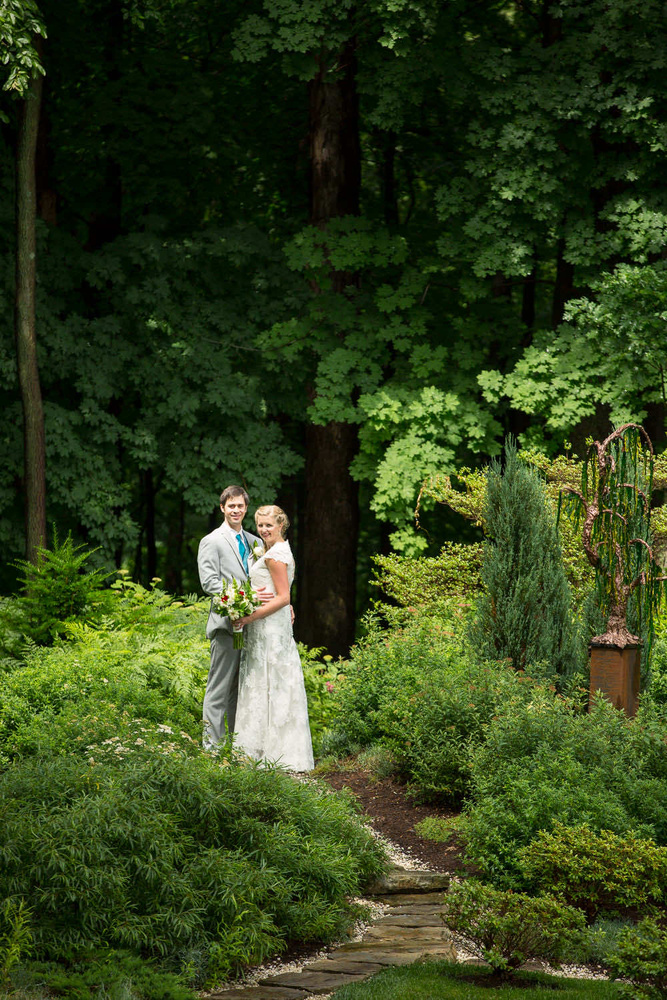
Weddings: Include a one-year anniversary mini-session. This brings the couple back and makes you part of their ongoing story.
-
Corporate headshots: Offer a “team refresh” six months later, so new hires aren’t left out.
-
Event photography: Package in next-day highlight images alongside full delivery, giving the organizer something immediate to share.
Each of these options solves a real problem. They’re not arbitrary extras; they anticipate needs the client may not even have thought of yet.
Why This Works Financially
A bundle doesn’t reduce your rate; it extends your engagement. For example, instead of charging $3,000 for a wedding and then hoping for another booking, you charge $3,200 with an anniversary session included. The client perceives greater value, while you’ve secured future work at a fair margin.
Pitfalls to Avoid
-
Overloading: Don’t add so many extras that your bundle feels like fluff. Clients are savvy enough to notice when something doesn’t matter to them.
-
Framing mistakes: Never present a bundle as a “discount.” Call it a continuity plan, a package, or a service. The language keeps the perception of professionalism intact.
Bundling is strategic. It locks in loyalty without teaching clients to expect bargains.
4. Deliver Tangible Reminders
Files alone don’t keep clients connected to you. Once they’re delivered, they disappear into hard drives and cloud storage. Tangible products, by contrast, live in homes, offices, and hands. They’re daily reminders of your work and by extension, of you.
Why Physical Matters
A framed portrait is seen dozens of times a day. An album is brought out at every family gathering. A trade-show banner with your images reinforces a company’s brand presence all year. These physical items anchor your role in the client’s memory.
The Marketing Effect
Every compliment on a physical product is a mini referral. A friend asking, “Who shot that?” is the simplest marketing funnel imaginable. That doesn’t happen when images are buried in a Dropbox folder.
How to Add Physical Value
-
Include a print credit with digital packages, nudging clients toward physical products.
-
Show samples during consultations. Albums and prints sell better when clients can touch them.
-
Use reputable labs to ensure quality matches the standard of your photography.
Beyond Prints
Physical doesn’t have to mean traditional prints. Branded USB drives, calendars, or simple thank you cards still create a tactile connection. The point isn’t the format; it’s the reminder. Delivering tangible items shifts you from a service provider to a memory maker. Clients who live with your work every day are far more likely to return.
5. Stay Present Without Pestering
Finally, retention is about relationships. The worst mistake is disappearing the moment files are delivered. The second-worst is spamming clients until they tune you out. The goal is to find the middle path: staying visible with relevance and respect.
Thoughtful Touchpoints
-
Anniversaries: A “happy one-year anniversary” note for weddings takes two minutes but makes a lasting impression.
-
Project follow-ups: Congratulate corporate clients when their campaigns go live. It shows you’re paying attention.
Why This Works
These small gestures make clients feel remembered. They don’t cost you much time, but they create goodwill that builds long-term loyalty. The client sees you as someone who cares about their outcome, not just their payment.
Boundaries Matter
Overdoing this turns you into noise. The test is simple: Is your outreach providing value to the client, or is it just about filling your calendar? If it’s the latter, don’t send it. Respect for your client’s attention is as important as respect for their budget. By staying present without pestering, you keep the relationship alive in a way that feels natural.
Conclusion: Loyalty Without Discounts
Discounts feel like the easy way to win loyalty, but they weaken your business in the long run. Real client retention comes from embedding yourself in their routines and identities.
Make rebooking frictionless so they never scramble. Deliver work with staying power so they never want to switch. Bundle strategically so they commit to you without undercutting your rate. Provide tangible reminders so your presence lasts beyond delivery. Stay present with thoughtful touchpoints so you remain part of their world.
Do this consistently, and you stop being “a photographer they hired once.” You become their photographer. No discounts required.
If you would like to learn more about the business of photography, check out "Making Real Money: The Business of Commercial Photography With Monte Isom!"